
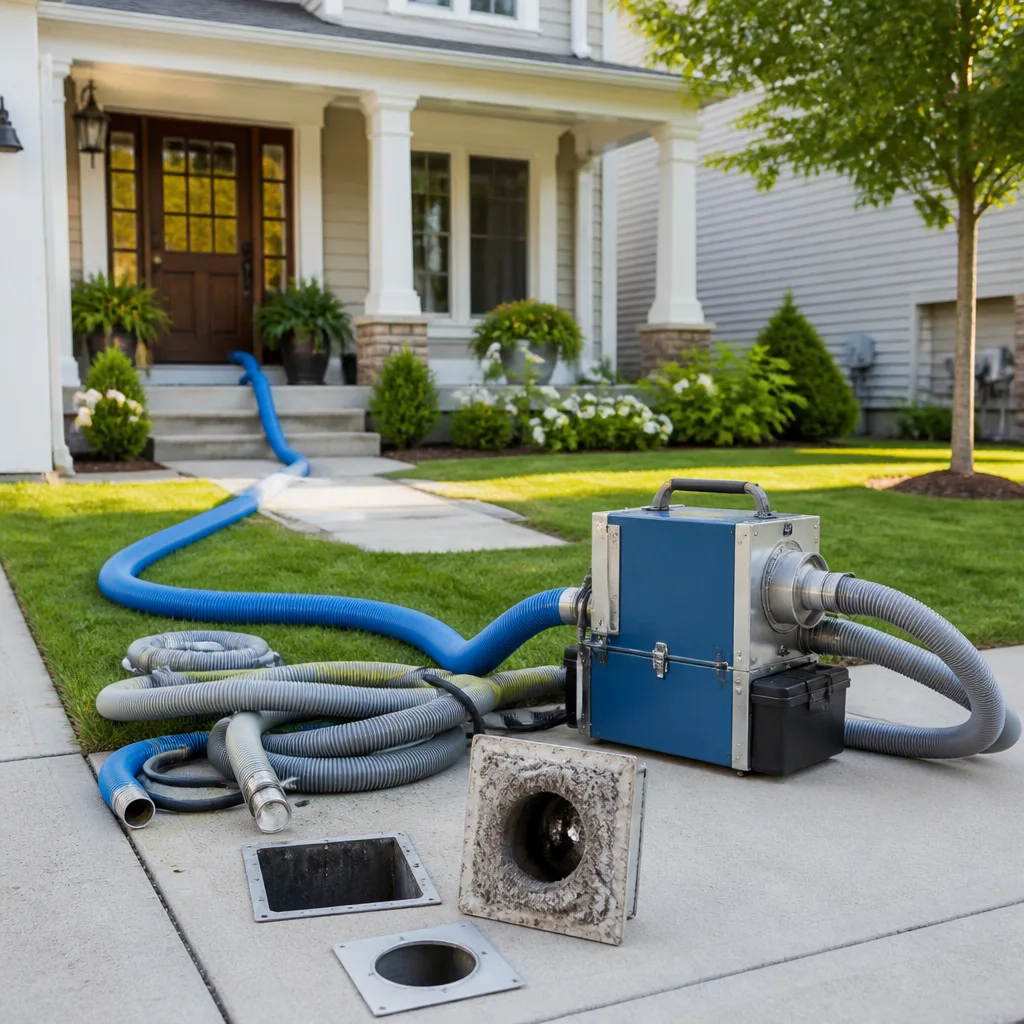
 Whole-home duct cleaning
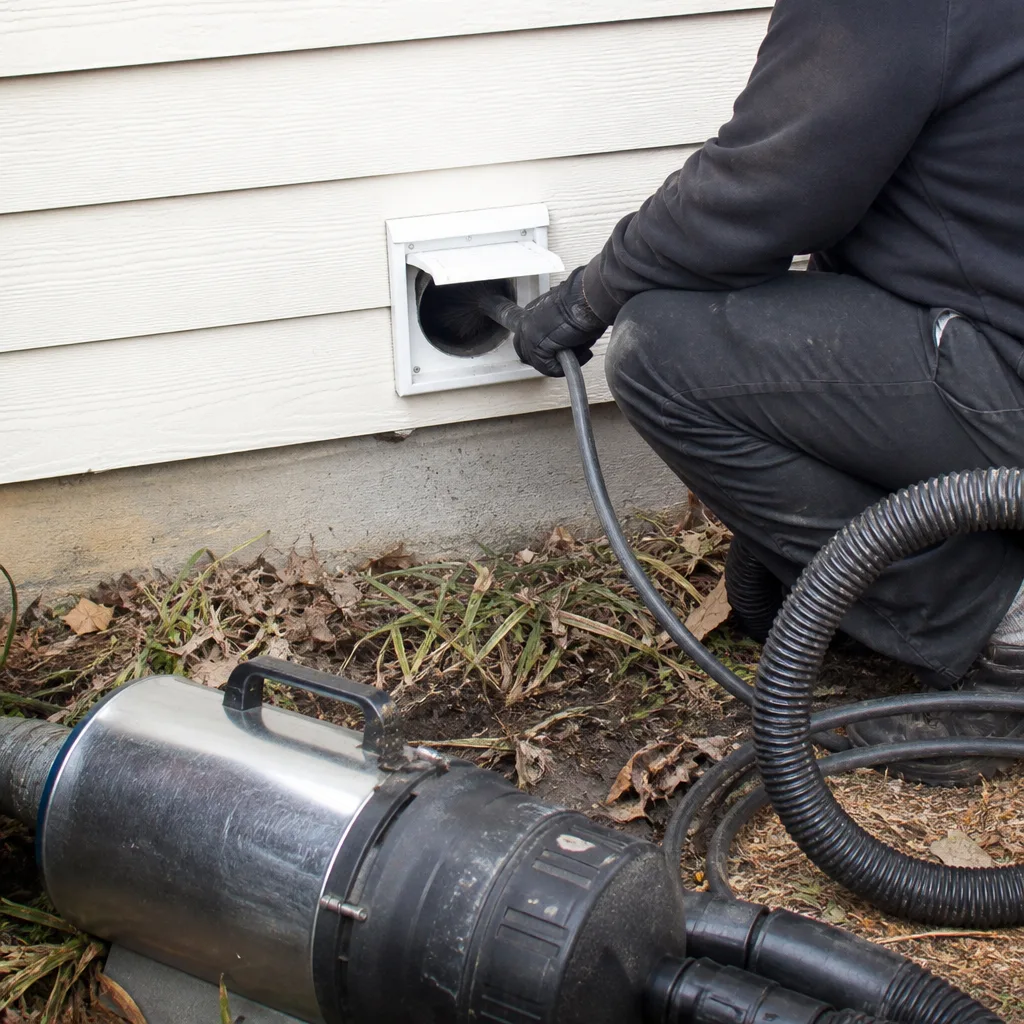
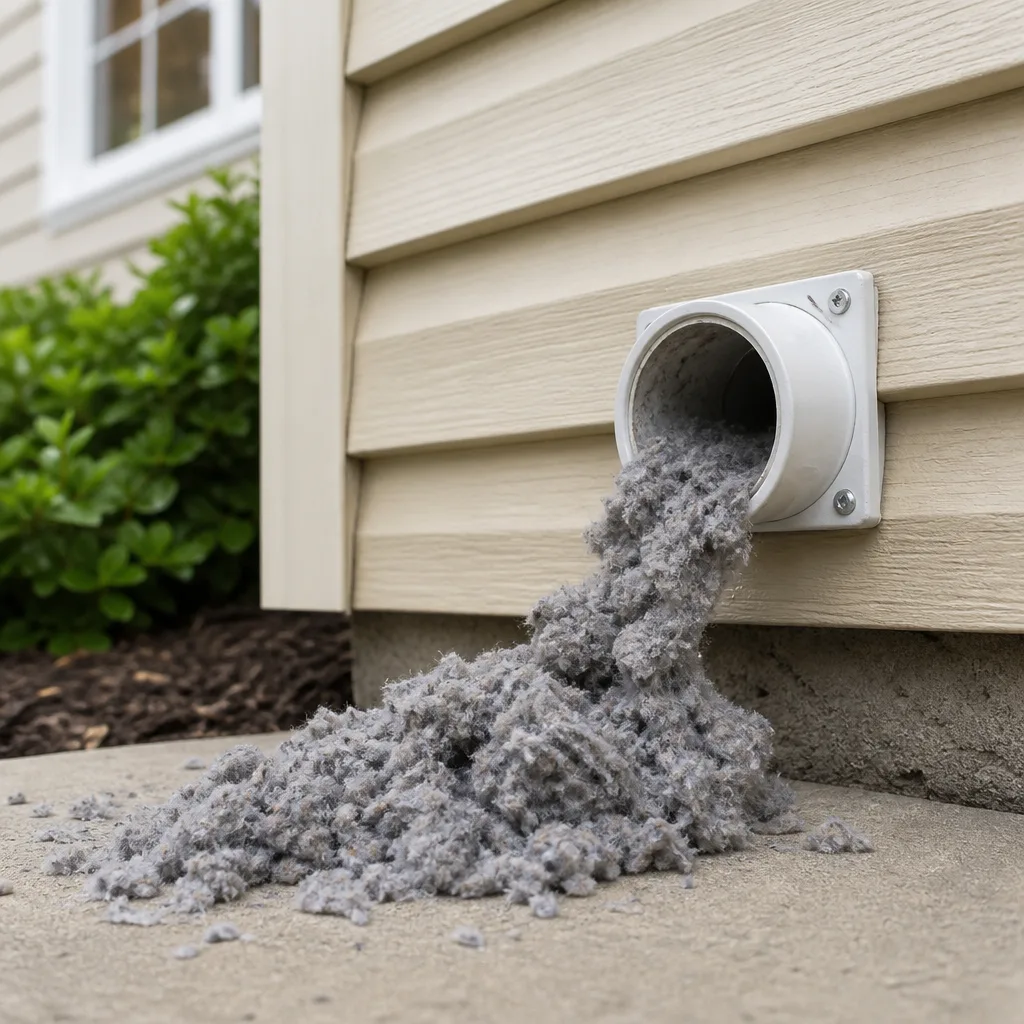 Dryer vent cleaning
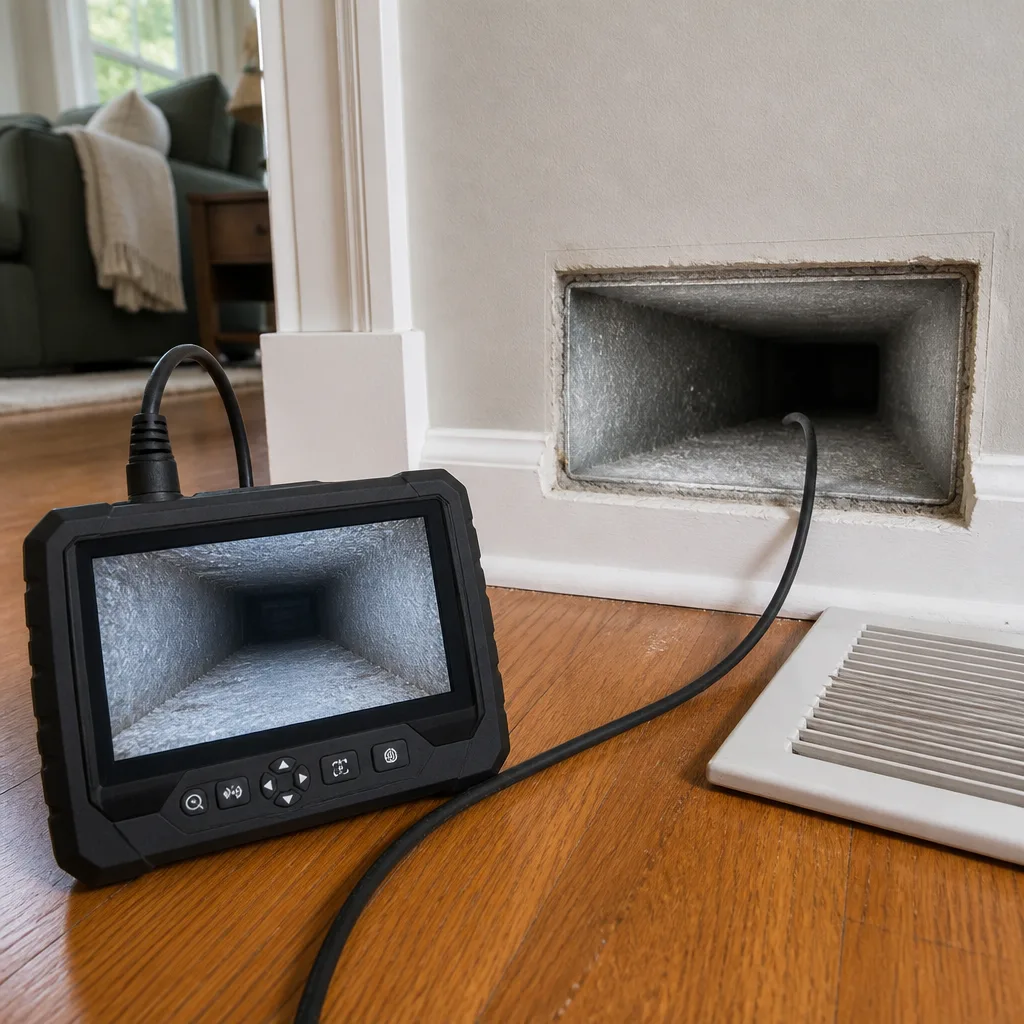 Camera inspection
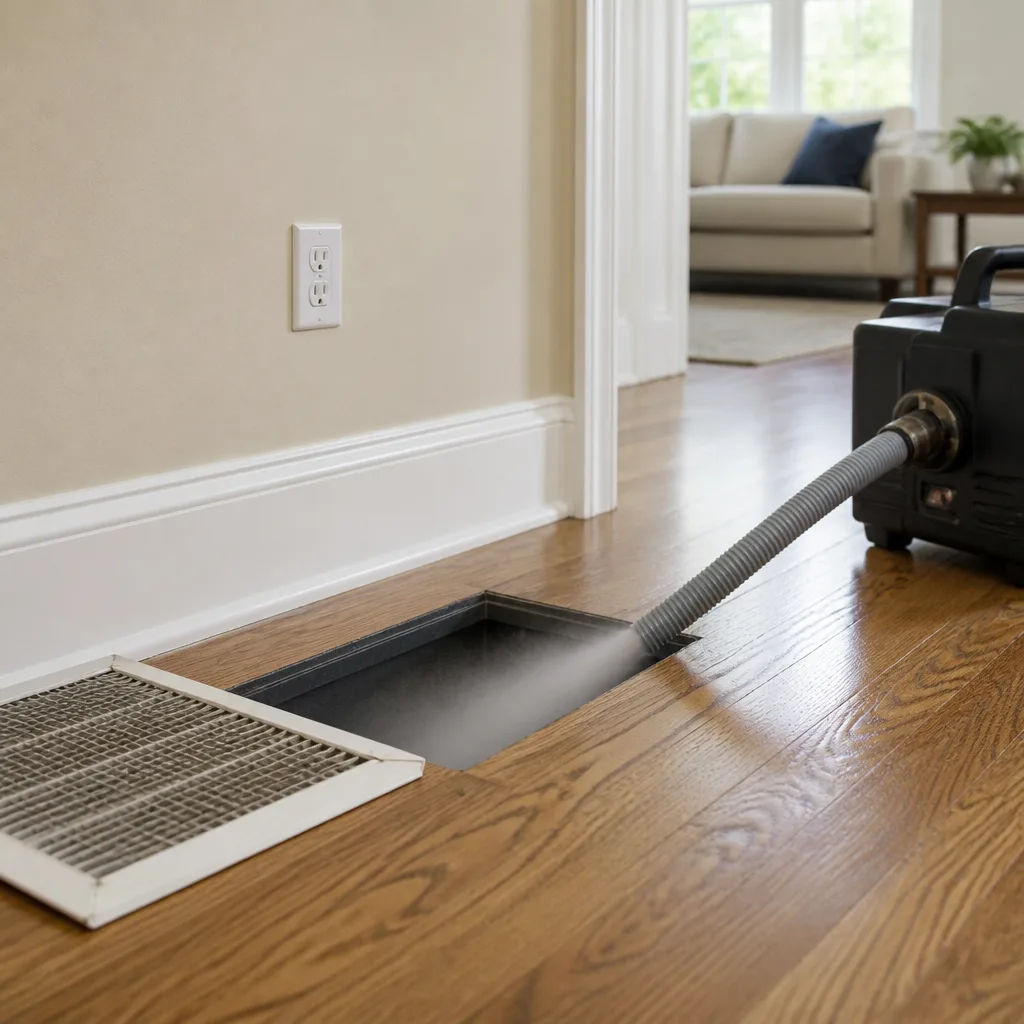 Sanitizing & deodorizing
Whole-system duct and dryer vent check with before-and-after photos - you see exactly what came out of your vents
That "$99 whole-house special" is a bait ad - the real number appears once they are in your hallway, or the "clean" is a shop-vac at the register. We photograph the inside of your ducts before and after instead.
Honeywell Duct Sealing & Repair: The Dallas Owner’s Guide
We stock and install Honeywell-compatible duct sealing and repair materials across Dallas, with most jobs running between $450 and $1,200 depending on system size and how much of the ductwork has separated. The call usually starts the same way: a homeowner notices one room that won’t hold temperature, a musty smell that comes and goes, or dust settling back on furniture within days of cleaning. What they’re describing is almost always air escaping the duct system before it reaches the register, and on Honeywell-zoned setups, that leakage wrecks the zoning logic the system relies on.
Most Dallas homes we open up have lost 15 to 25 percent of conditioned air through gaps, failed tape, and loose take-off collars. On a Honeywell-zoned system, that loss isn’t just wasted money, it’s the thermostat fighting itself. Roy Castellanos has pulled apart ducts in Oak Cliff where the original foil tape had let go so completely that the bedroom register was pushing attic air. That’s the problem sealing fixes.
Which Honeywell Models This Applies To
Honeywell doesn’t manufacture ductwork itself, but its zoning panels, dampers, and thermostats dictate how a duct system needs to behave. We work on homes running Honeywell TrueZONE panels (HZ311, HZ322, HZ432), Honeywell zone dampers (ARD, MARD, ZD series), and Honeywell Prestige or T-series thermostats. The duct sealing and repair work we do is matched to those control systems, because a zoned system amplifies every leak: a 10 percent leak in a single-zone home becomes a 25 percent comfort failure in a zoned one.
The compatibility gotcha most Dallas owners hit: Honeywell zone dampers are sized by duct diameter, not by house square footage. We’ve seen a 3,200-square-foot home in the Design District running an 8-inch round damper where the trunk needed a 12-inch. The damper wasn’t bad; the duct sizing never matched the zone it served. Before we seal anything, we measure the actual duct runs against what the Honeywell panel is trying to control.
We keep Honeywell-branded mastic, UL 181-rated foil tape, and duct sealant on the truck, plus aftermarket equivalents that meet the same spec at a lower price point. Honeywell-branded materials run about 20 to 30 percent more than comparable aftermarket, and unless the system is under a manufacturer’s warranty that requires OEM materials, we’ll tell you when the aftermarket option does the same job for less.
Styles & brands we work with
Signs Your Honeywell Duct Sealing & Repair Is Failing
- One room won’t hold temperature while the rest of the house is fine. In a zoned home, this usually means the damper serving that zone is stuck or the duct run has separated at a joint. The Honeywell panel calls for air, the damper opens, and the air never arrives because it’s leaking into the attic.
- Dust returns within 48 hours of cleaning. Negative pressure from leaky return ducts pulls attic air, insulation fibers, and drywall dust into the system. Our Nikro negative-air machines pull this stuff out by the pound during cleaning, but if the return side isn’t sealed, it comes right back.
- The Honeywell thermostat shows a zone calling for heat or cool that never satisfies. The panel isn’t broken. It’s commanding a damper that’s either stuck, wired wrong, or feeding a duct run that’s split open somewhere in the middle.
- You hear a whistling or hissing sound when the system runs. That’s air forcing through a gap that shouldn’t exist. On zoned systems it’s worse, because the closed dampers push static pressure higher and turn a small leak into an audible one.
- Utility bills run 20 to 30 percent higher than neighbors with similar homes. Dallas summers punish leaky ducts. When the attic is 140 degrees and your supply ducts are bleeding cold air into it, the system runs longer to satisfy the Honeywell sensor, and the bill shows it.
See the difference
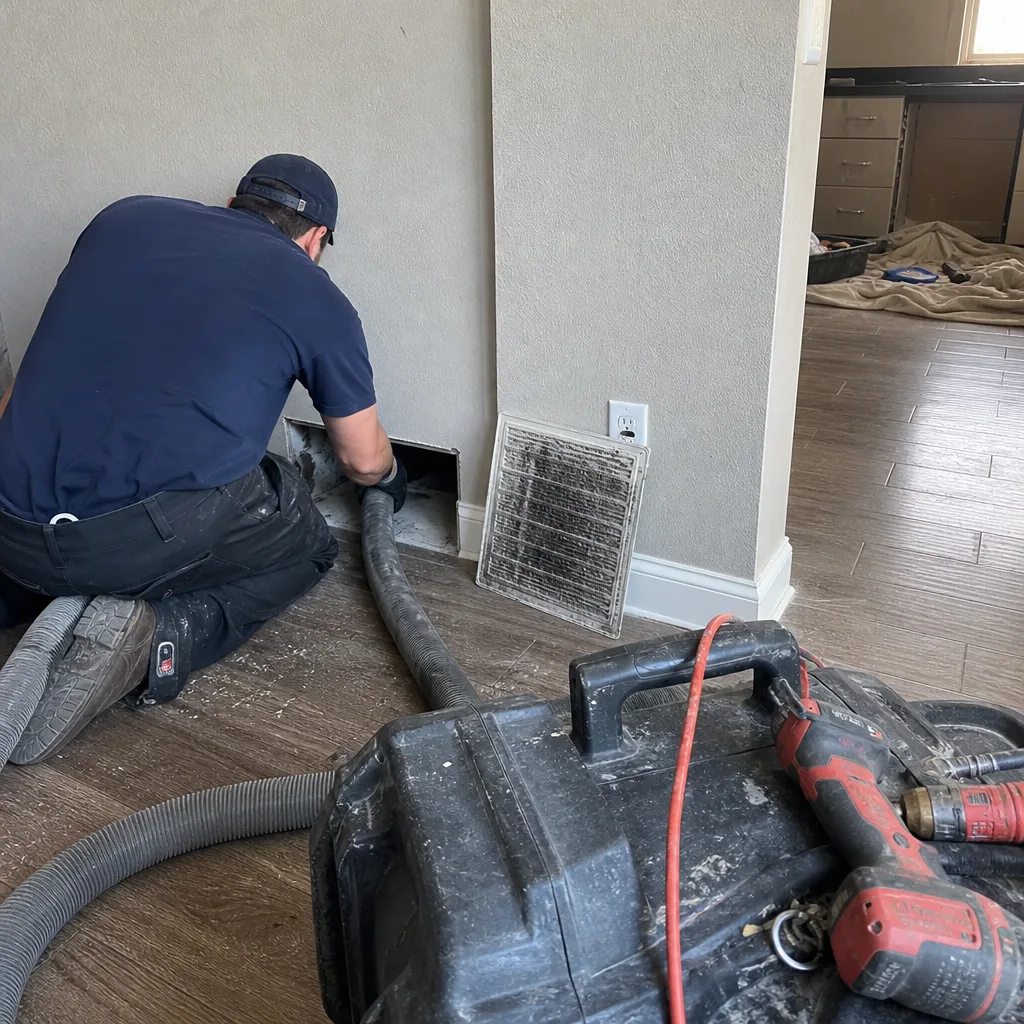 Before
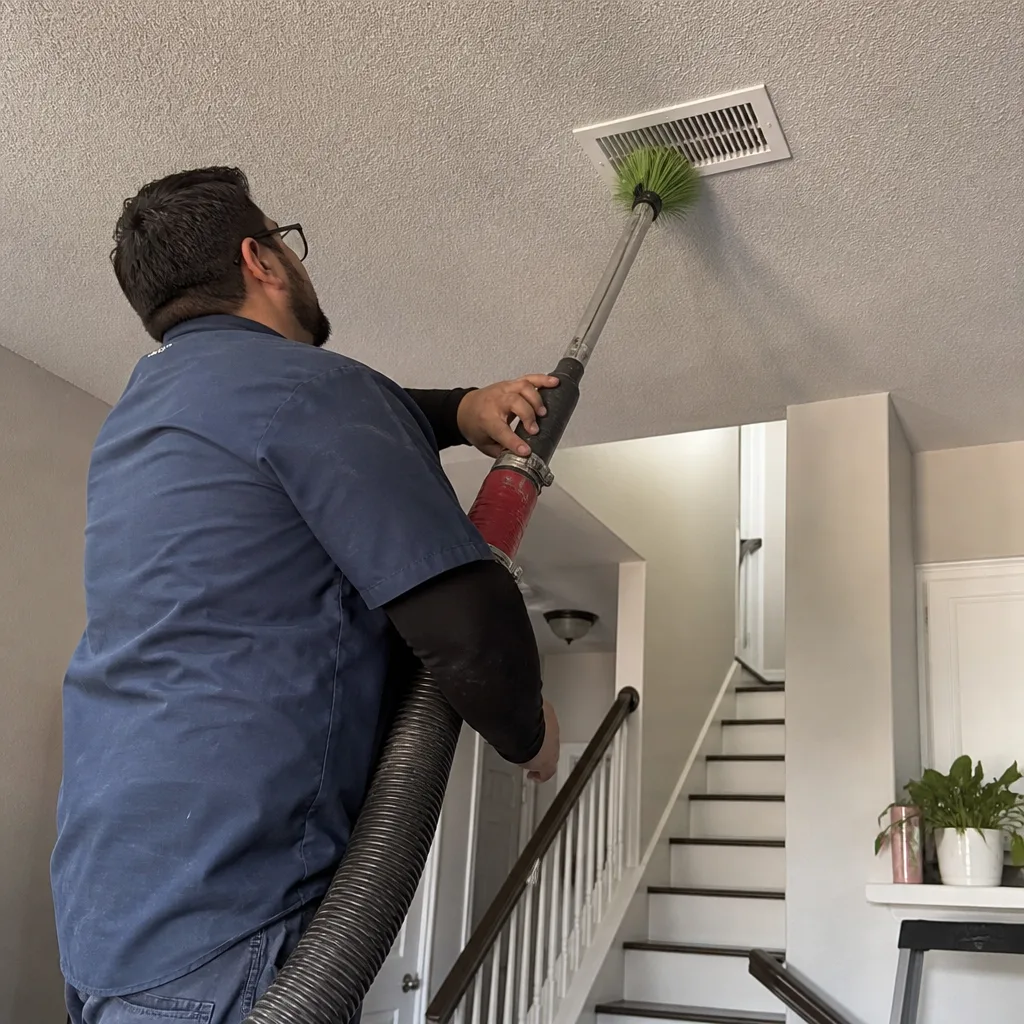 After
After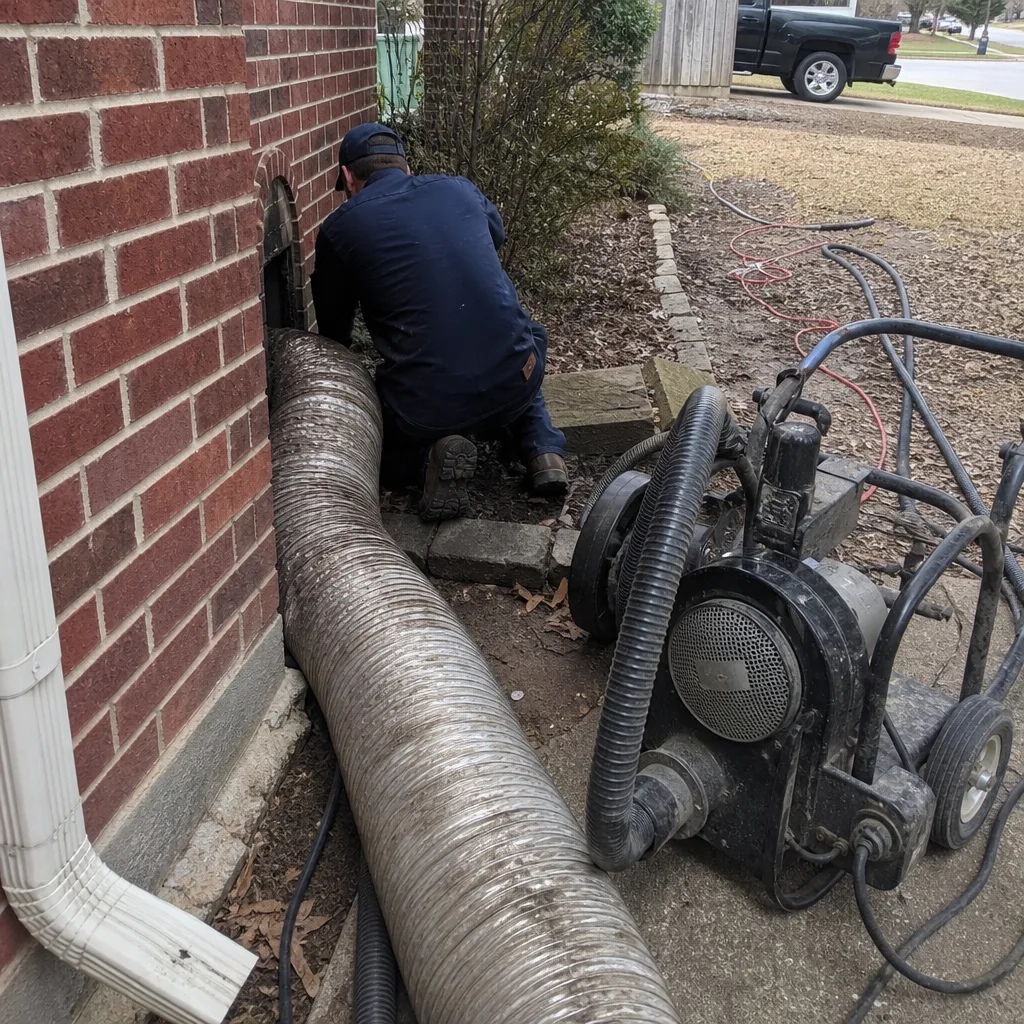 Before
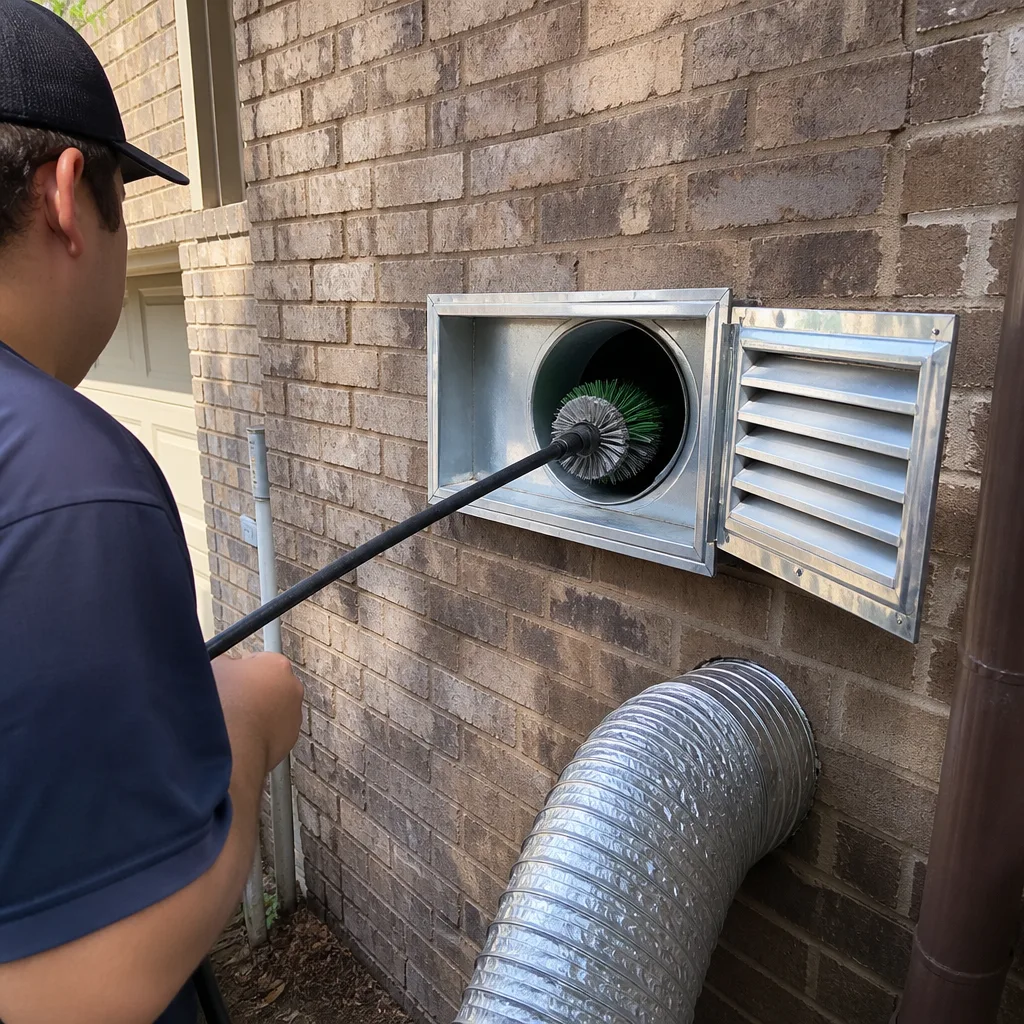 After
After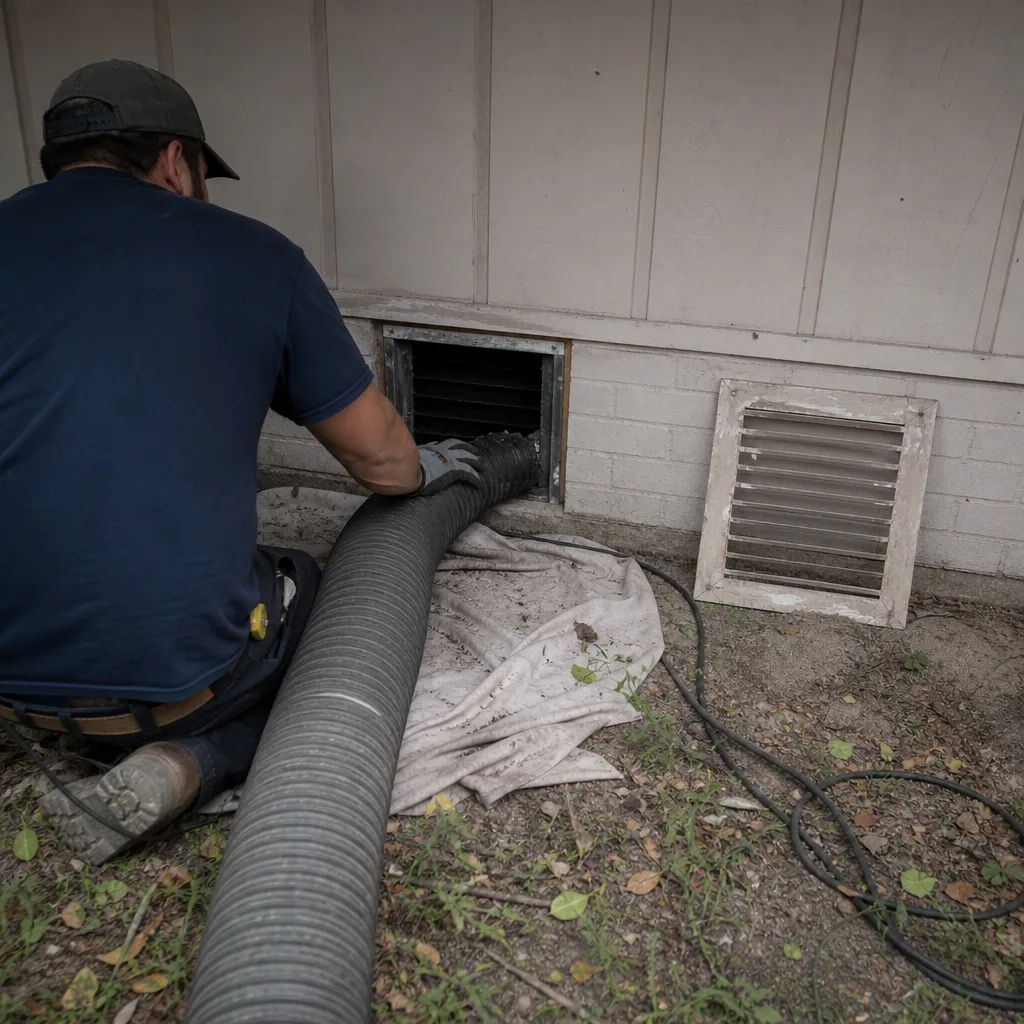 Before
 After
AfterReplacement Cost & What’s Included
In Dallas, plan on $450 to $800 for sealing a single-zone system with accessible ductwork, and $700 to $1,200 for a zoned Honeywell setup where we’re sealing multiple runs and verifying damper operation. If the ducts are in a crawl space or a low-clearance attic, expect the higher end. We write the price before we touch anything, and that number doesn’t move. No per-vent pricing games, no “while we’re here” add-ons.
Every repair includes a visual inspection of the full duct run, mastic sealing at all accessible joints, UL 181 tape on seams, a static pressure check, and verification that each Honeywell zone damper opens and closes on command from the panel. The work is covered by our 365-Day Done Right Promise: if a sealed joint fails within a year, we return and make it right at no charge. Parts carry their manufacturer’s warranty; our labor carries the full year. You’ll also see before-and-after photos of the actual ducts, so nobody’s asking you to take a seal on faith.
Here’s how the pricing breaks down in Dallas:
- Basic sealing, single zone, accessible attic: $450 – $600, about 3 – 4 hours on site.
- Zoned Honeywell system, 2 – 3 dampers, full trunk sealing: $700 – $950, about 4 – 6 hours.
- Repair plus replacement of failed dampers or collapsed flex: $900 – $1,200, depending on the run length and damper size.
DIY or Call Us?
You can check three things safely on your own: look at the Honeywell panel for a damper fault code, put your hand on the register to confirm airflow, and visually inspect any exposed duct joints in the garage or utility closet for separated tape. That tells you whether a problem exists. It won’t tell you where the leak is or how much you’re losing.
What we’d caution against: climbing into a Dallas attic in July to seal ducts yourself, and that’s not about protecting our work, it’s about protecting your hide. Attic temperatures here hit 140 degrees by mid-morning, fiberglass insulation is a respiratory irritant, and the mastic we use requires proper ventilation and curing time. More importantly, if your Honeywell panel has a damper fault, sealing the ducts won’t fix it. You need a meter on the damper wiring and a manometer on the static pressure to know what you’re actually repairing. That saves you from spending a Saturday sealing joints while the real problem is a stuck damper motor. If you’d rather have it diagnosed and repaired in one visit, call us at (361) 309-6223.
FAQs
Properly applied mastic and UL 181 tape on clean metal typically lasts 10 to 15 years in a Dallas attic, which is longer than the original foil tape most builders used. Heat cycling and humidity are what kill seals here, and our 365-Day Done Right Promise covers the first year in writing. Call (361) 309-6223 and we’ll inspect what’s failed and give you a straight answer on what it needs.
Yes, if the failure is isolated, we’ll seal only the affected joints and verify the rest of the system holds pressure. But we’ll also be honest: if the original tape failed in one spot, it’s usually failing in ten. We’ll show you photos and let you decide. Estimates are free at (361) 309-6223.
Most single-zone Dallas homes take 3 to 4 hours. A Honeywell-zoned system with multiple dampers and several failing joints runs 4 to 6 hours. We arrive inside the quoted window, lay down floor protection, and leave the site clean. Call (361) 309-6223 and we’ll give you a written window before we show up.
We stock Honeywell-compatible mastic, UL 181 tape, common damper sizes, and control panel accessories on the truck. If your system needs a specific Honeywell damper or panel component we don’t carry, we order it from our supplier and schedule the repair as soon as it lands. Most parts are in hand within 2 to 3 business days. Call (361) 309-6223 with your model number and we’ll confirm availability before you commit to anything.
Hollis Air Duct Dallas is an independent service provider and is not affiliated with Honeywell. We also stock sealing and repair materials compatible with Lennox, Trane, and Carrier systems.
Clean ducts, straight answers, that’s the whole job.
Written by Roy Castellanos, Owner, Hollis Air Duct Dallas at Hollis Air Duct Dallas, serving Dallas and nearby areas.