
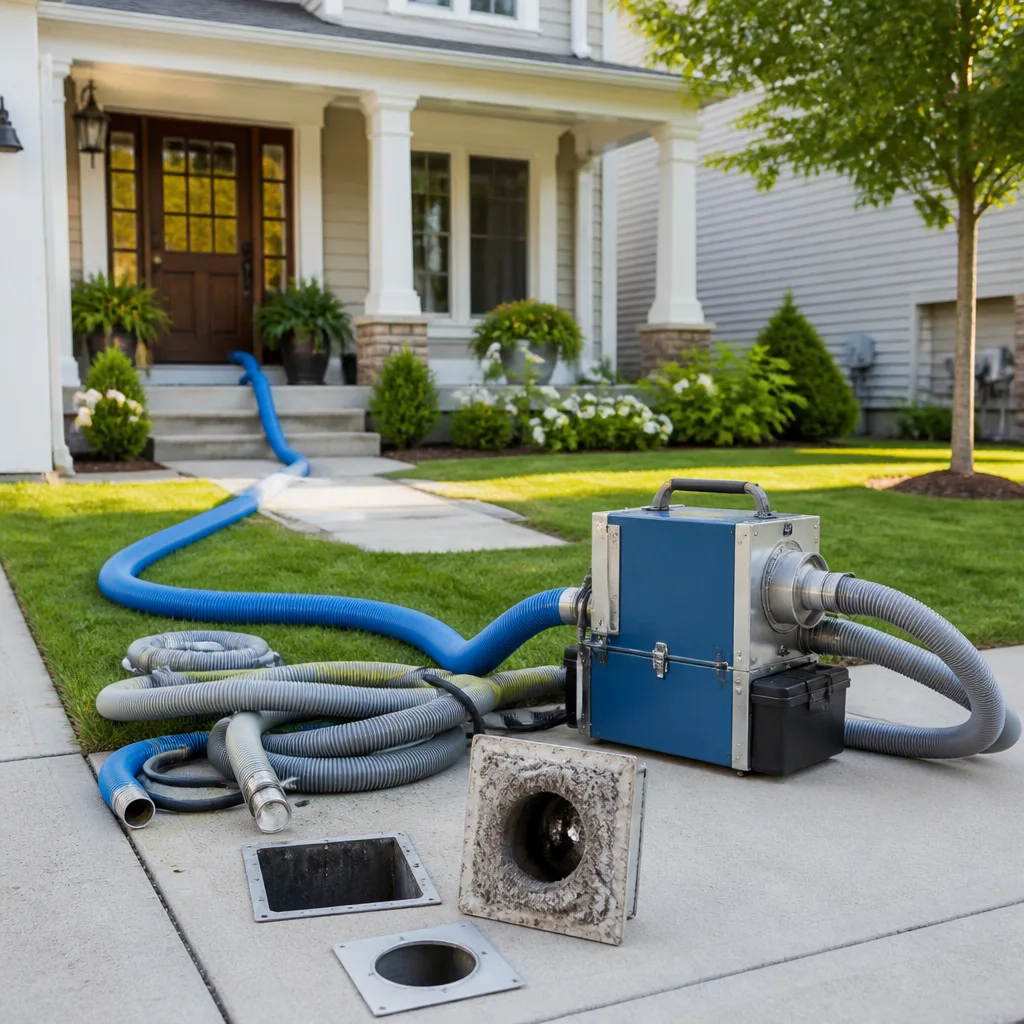
 Whole-home duct cleaning
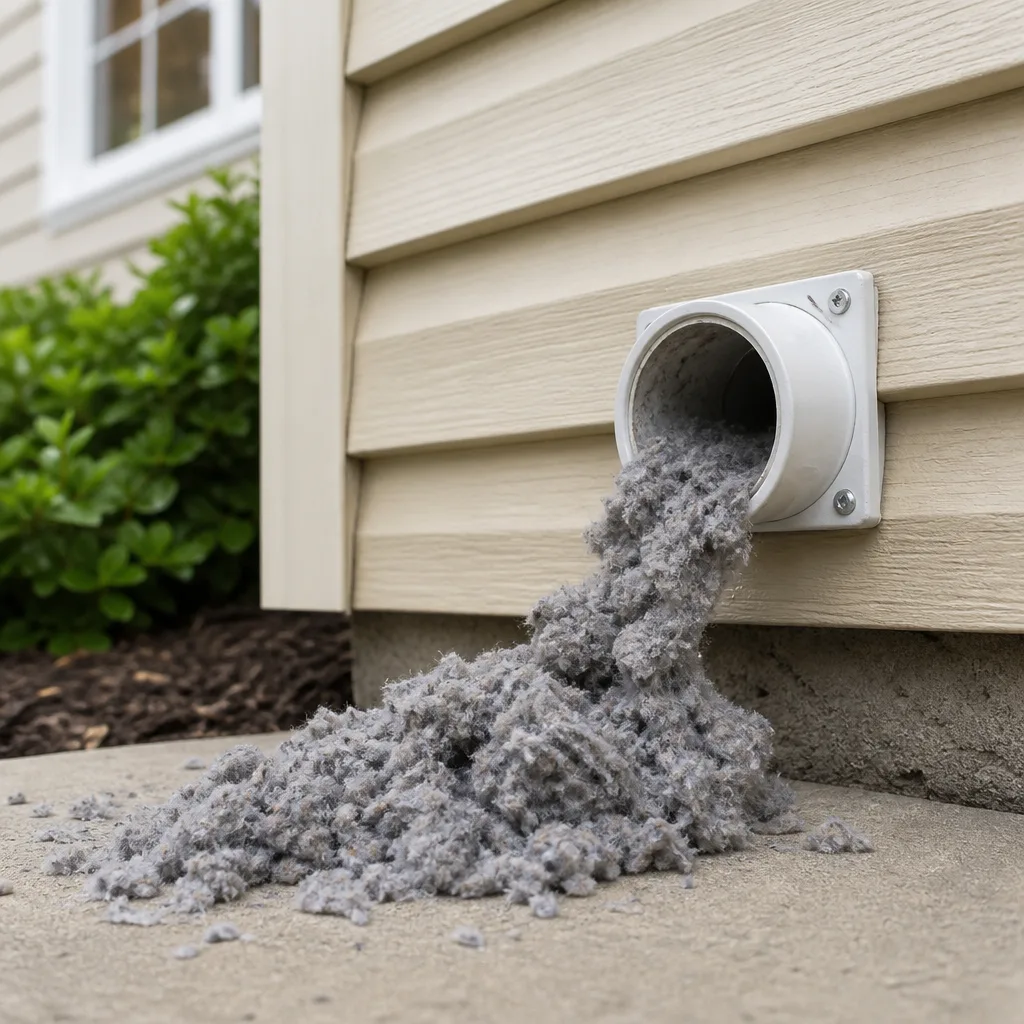 Dryer vent cleaning
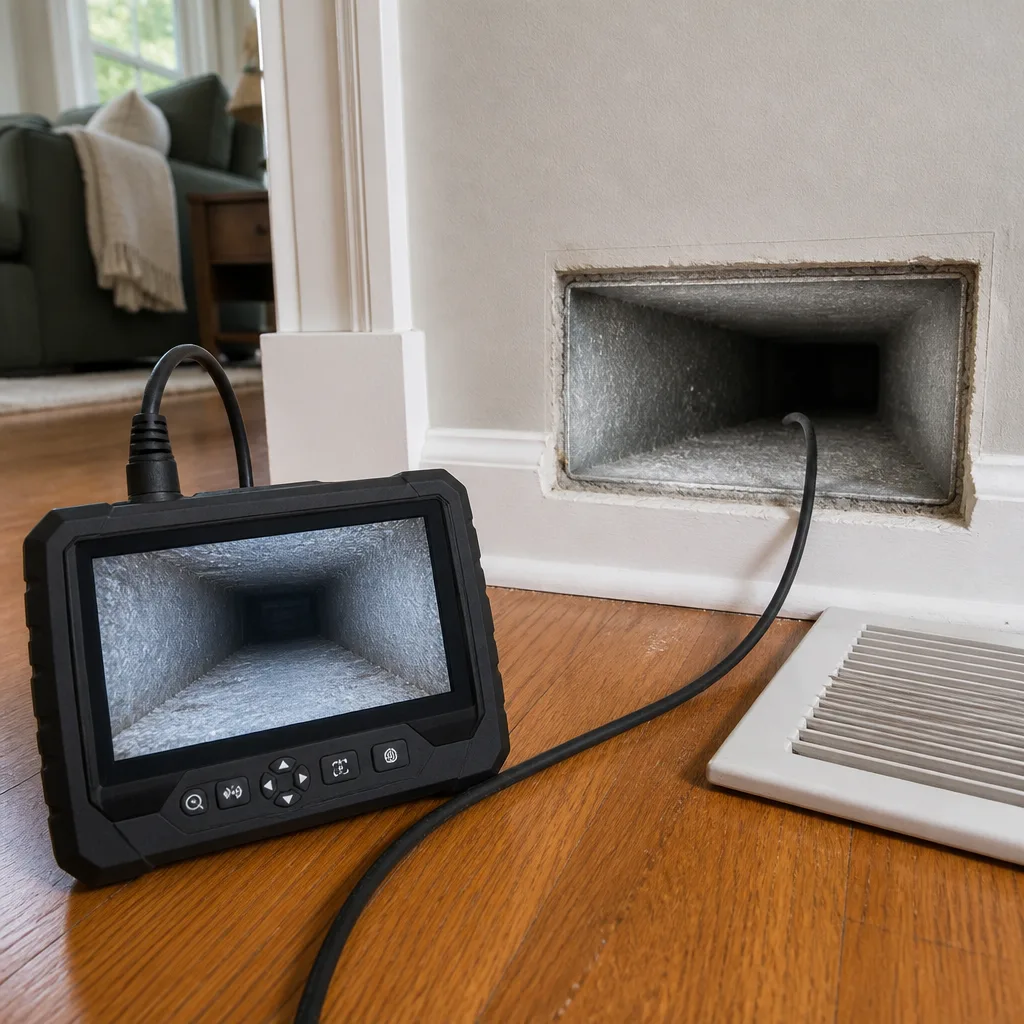 Camera inspection
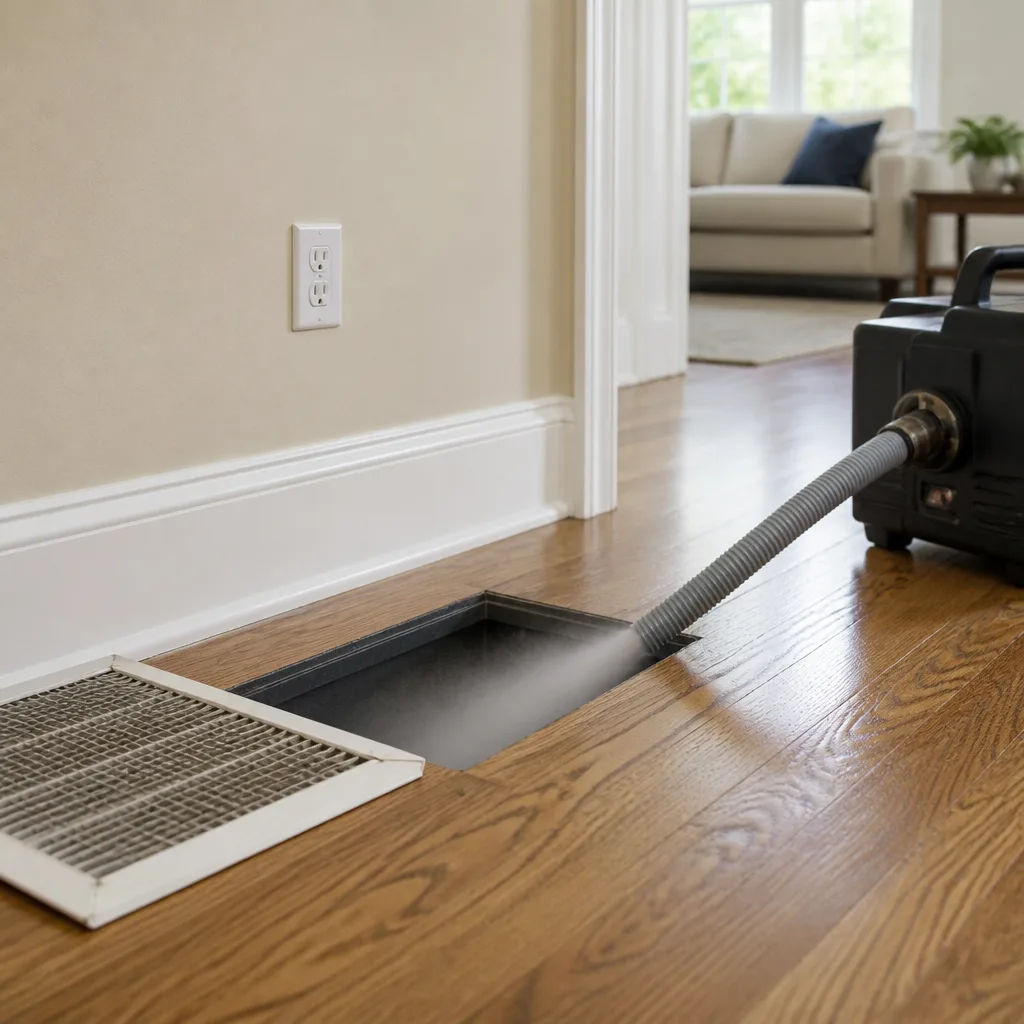 Sanitizing & deodorizing
Whole-system duct and dryer vent check with before-and-after photos - you see exactly what came out of your vents
That "$99 whole-house special" is a bait ad - the real number appears once they are in your hallway, or the "clean" is a shop-vac at the register. We photograph the inside of your ducts before and after instead.
Honeywell Register & Grille Cleaning: The Dallas Owner’s Guide
If you have Honeywell registers and grilles throughout your Dallas home, professional cleaning typically runs $8 – $18 per register or grille, with whole-home packages for a 2,000 – 2,500 sq ft house landing between $220 and $380 depending on how many openings you have and how much buildup has accumulated. Most Dallas homeowners discover they need this service when dust keeps reappearing on furniture within days of wiping it down, or when a register that once opened smoothly now sticks or rattles. You don’t need new registers in most cases. What you need is a methodical cleaning that pulls the loose fiber, pet hair, and the fine-grained dust our North Texas wind pushes into return air streams all year round.
Which Honeywell Models This Applies To
Honeywell’s residential register line runs across three main series you’ll find in Dallas homes: the standard stamped steel registers (often marked with an HZ or CT prefix on the back of the louver frame), the heavier aluminum models with curved blades, and the newer polymer registers Honeywell introduced for high-humidity environments. The polymer ones matter here because Dallas summers push attic temperatures past 140°F, and the plastic frames on cheap aftermarket registers can warp within two seasons. If you’re checking yours, look at the stamped code on the back edge of the frame rather than the face. That code tells you the true opening dimensions, not the faceplate size, which is the mistake that leads to ordering the wrong replacement.
One compatibility gotcha worth knowing: Honeywell sidewall registers and ceiling registers are not interchangeable, even when they measure the same. Sidewall units have a built-in damper with a steeper blade angle to direct air horizontally. Ceiling units are built to disperse in four directions. Homeowners who swap one for the other end up with a room that heats unevenly and wasted air blowing at a drapery or a wall. If a previous owner installed a mix of brands and styles, we sort that out during the cleaning and tell you which openings actually have the correct register for their location. We’re an independent service provider, not affiliated with Honeywell, but we work with their equipment daily and stock common Honeywell-compatible sizes on the truck alongside Lennox, Trane, and Carrier parts.
Styles & brands we work with
Signs Your Honeywell Register & Grille Cleaning Is Failing
- Dust streaks forming on the wall above the register. This is airborne particles being thrown against the drywall by a register that’s partially clogged at the vane level. The airflow gets turbulent instead of laminar, and the turbulence slings fine dust onto surfaces. Cleaning the register vanes and the first few inches of duct behind it usually stops the streaking within a week.
- The damper wheel or lever no longer moves smoothly. Dallas homes with slab foundations see more humidity at floor level, and that moisture mixes with dust to form a paste inside the damper mechanism. Once it hardens, the damper seizes. Sometimes cleaning restores it; sometimes the nylon gear inside has stripped and the register needs replacement.
- A rattle or metallic buzz when the blower runs. Honeywell registers use a spring-steel friction clip on the damper axle. When dust and oxidation build up, the clip loses tension and vibrates against the frame. It’s a small noise that drives people crazy in a quiet bedroom. Cleaning and re-tensioning the clip fixes it in most cases without replacing anything.
- Visible dark gray or black accretion along the vane edges. That’s not always mold. In Dallas, it’s more often a mix of candle soot, kitchen grease that aerosolized during cooking, and the fine clay dust our construction-heavy suburbs generate. A proper degreasing and high-efficiency vacuum pull removes it. If it is biological growth, we tell you plainly and recommend the right next step rather than just wiping the surface.
- Uneven air delivery between rooms despite the system being balanced. When several registers in a Dallas home are caked with different levels of buildup, the rooms they serve get different air volumes. The registers are the final restriction point before air enters your living space. Neglected ones force more air through the cleaner openings, and you end up with one cold bedroom and one warm one on the same thermostat.
See the difference
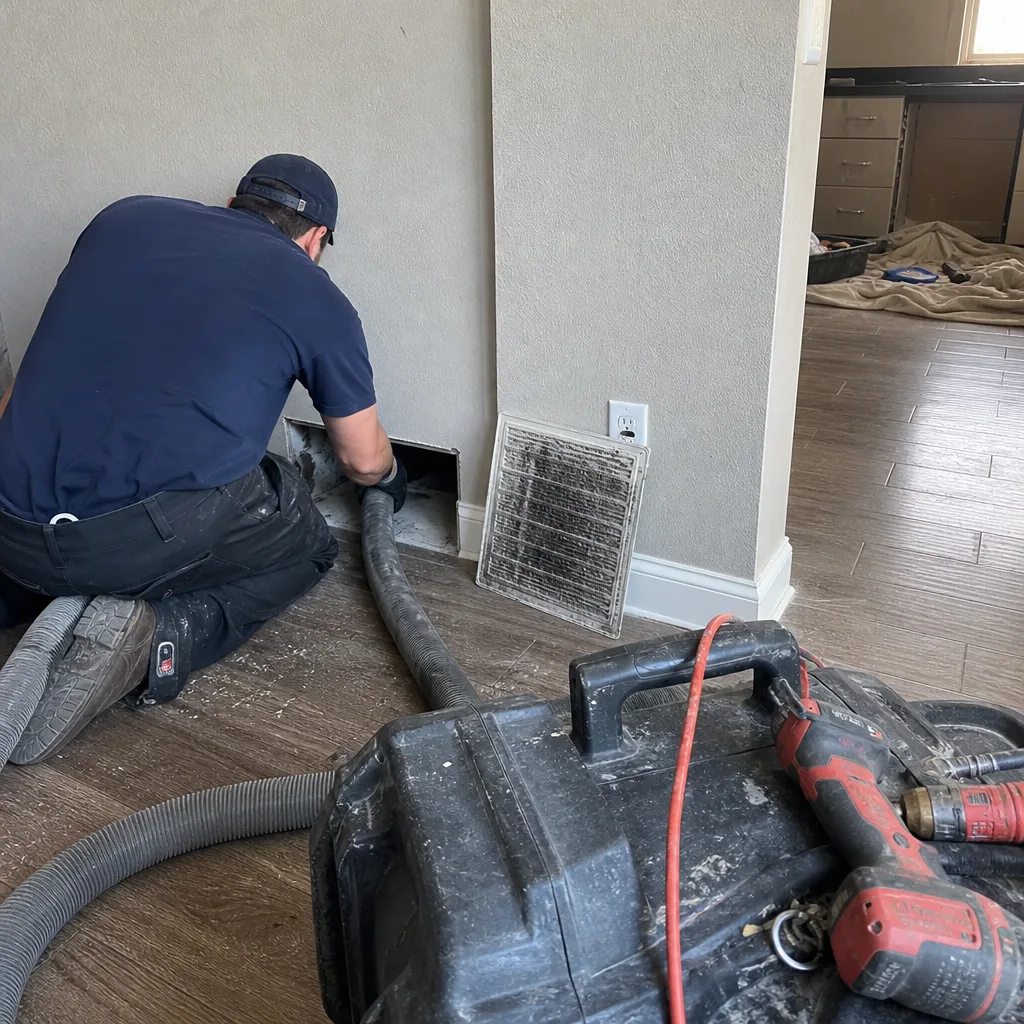 Before
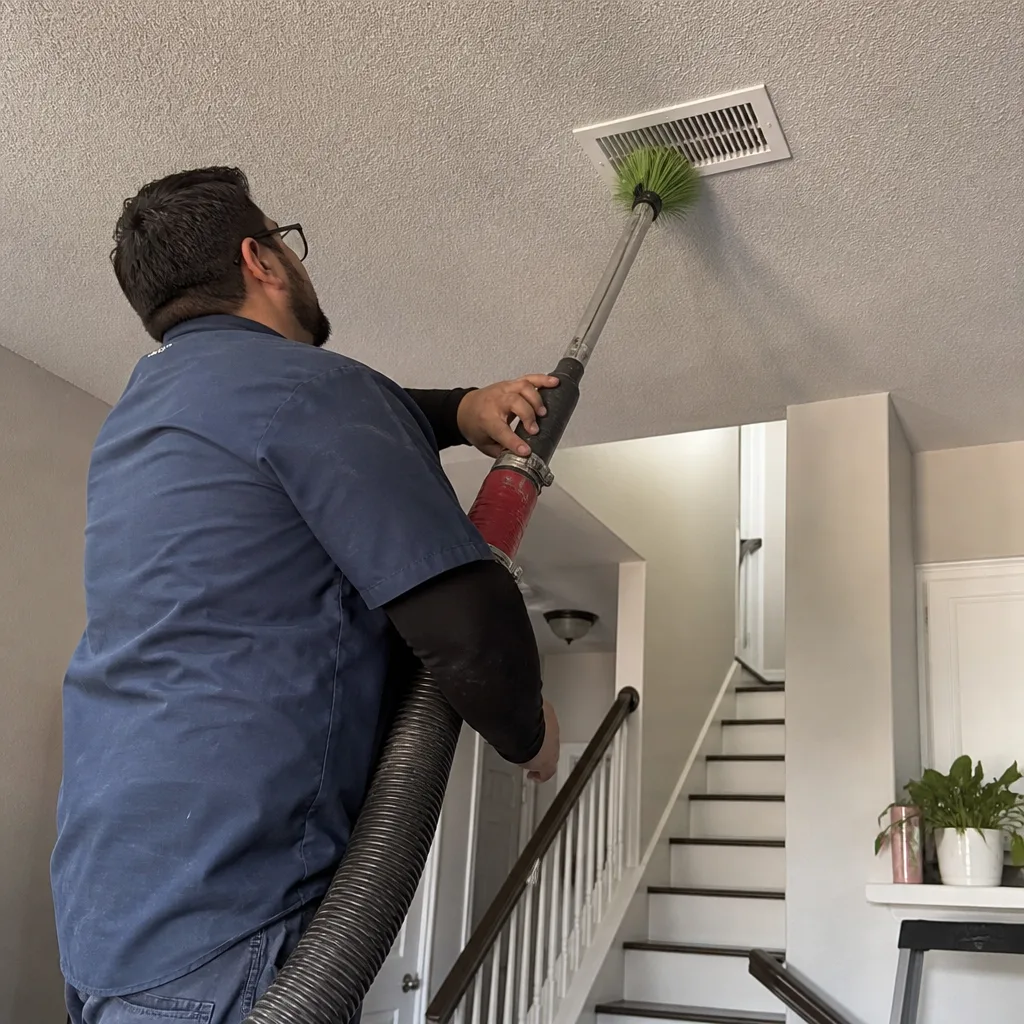 After
After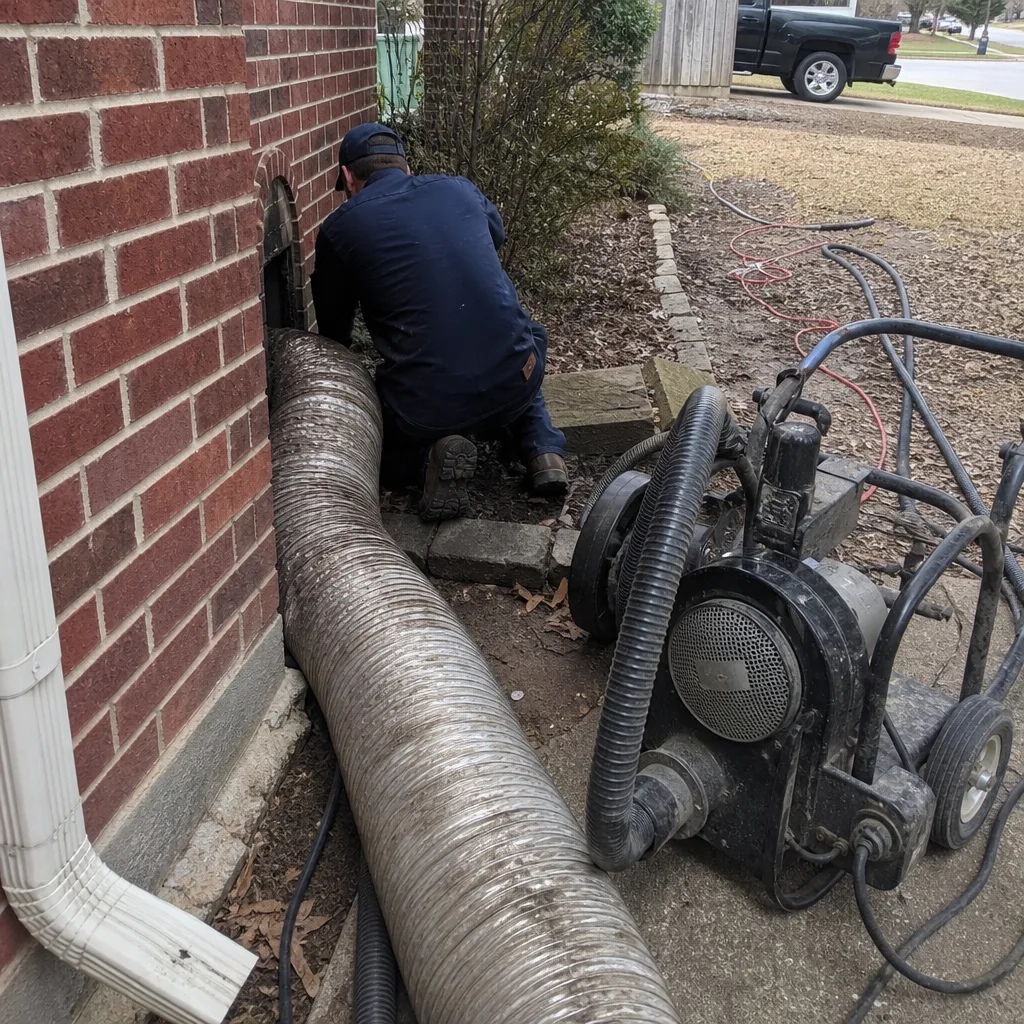 Before
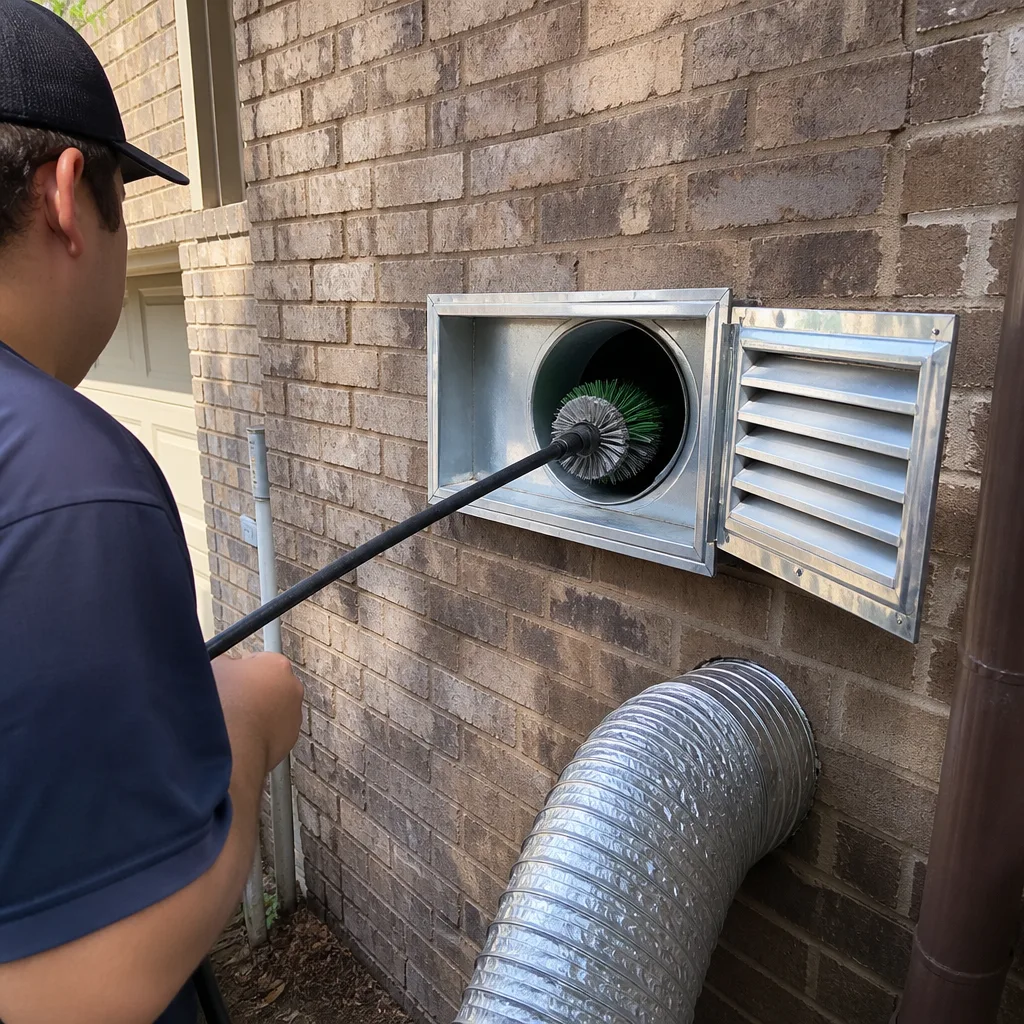 After
After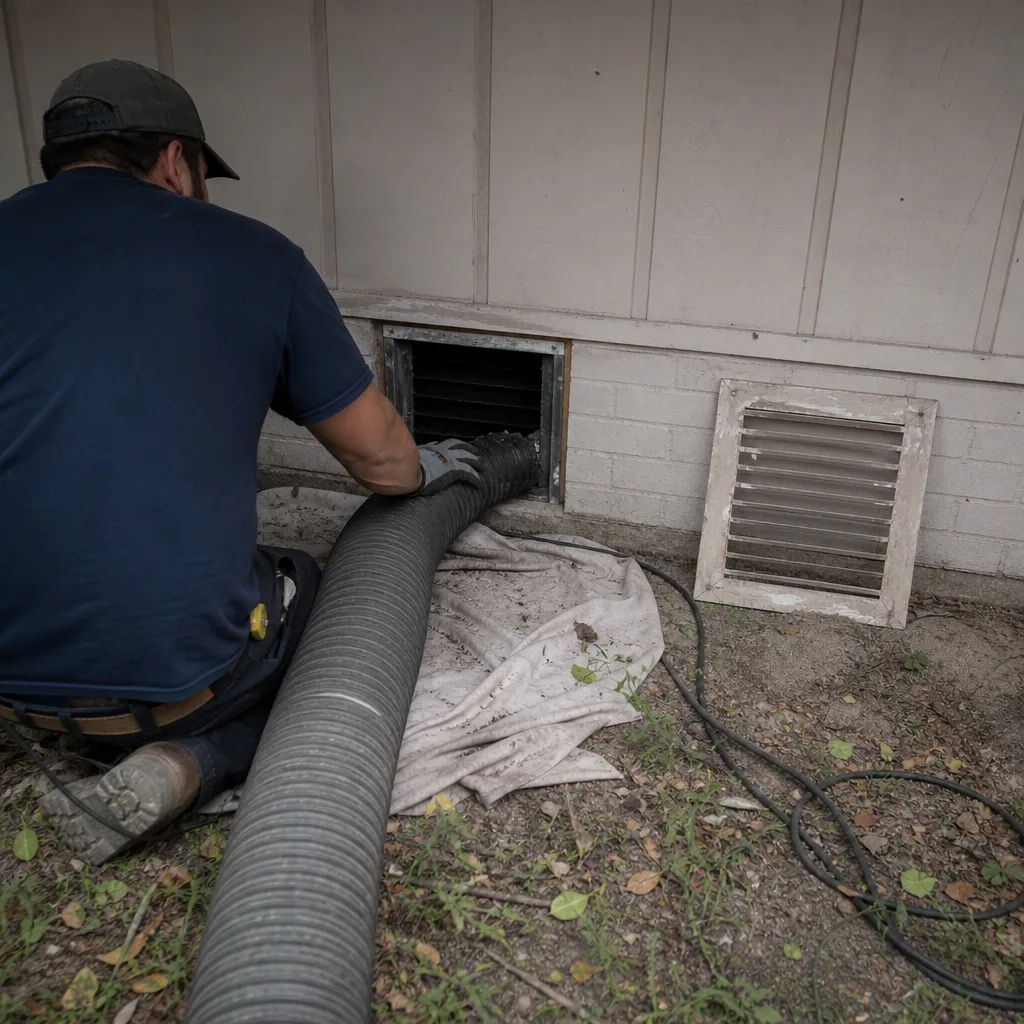 Before
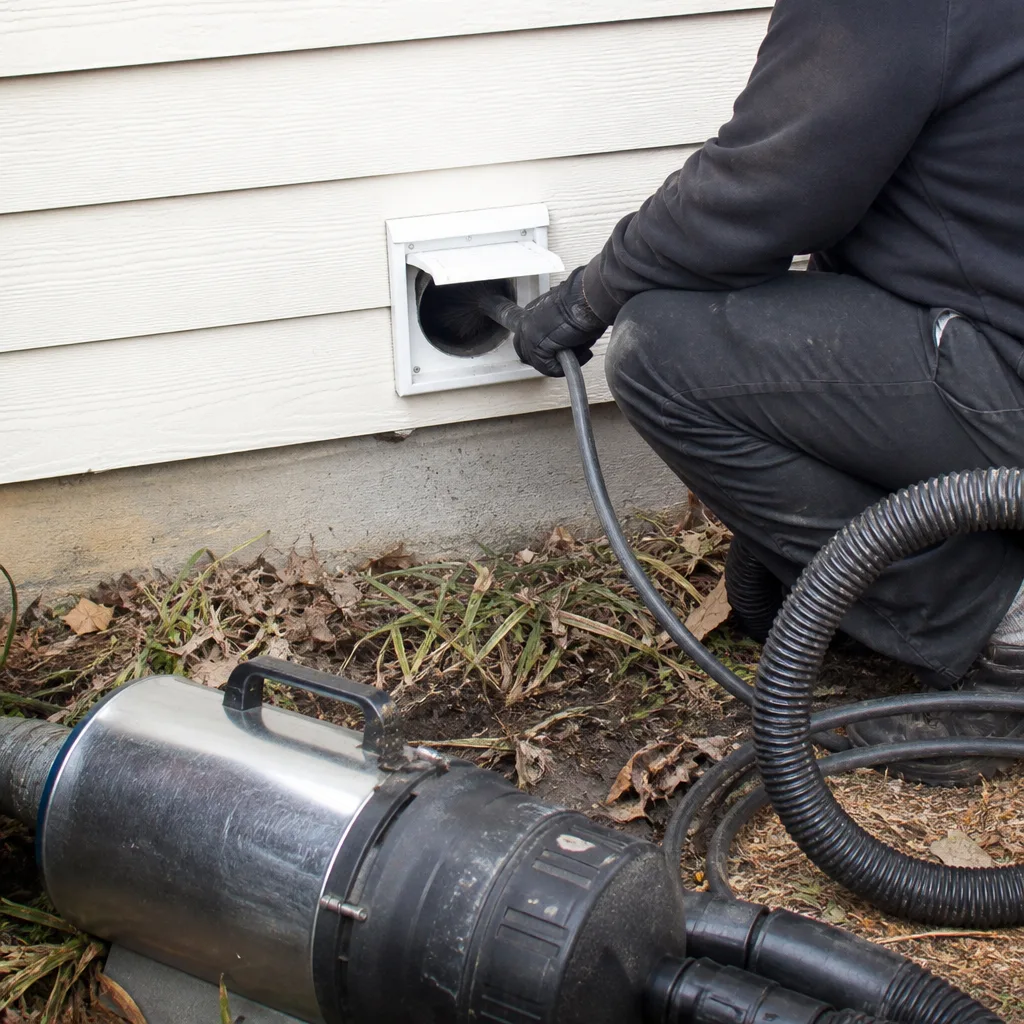 After
AfterReplacement Cost & What’s Included
In Dallas, cleaning-only service for Honeywell registers and grilles runs $8 – $18 per unit, and that includes removing each register, degreasing the vanes and frame, vacuuming the visible boot behind it, wiping down the surrounding ceiling or wall area, and reinstalling the register with the damper set correctly. If a register is beyond cleaning because the damper gear is stripped or the frame is bent from years of being kicked by a vacuum cleaner, replacement Honeywell-compatible units typically run $22 – $45 each installed, depending on size and whether you need steel, aluminum, or polymer.
What drives the range is straightforward: the number of openings in your home, how much buildup has accumulated, and whether any registers need replacement rather than cleaning. We write the price before we touch anything, and it doesn’t move at the door. The full job, cleaning or replacement, is covered by our 365-Day Done Right Promise. If a register we cleaned or installed fails within a year, we come back and make it right at no charge. That includes the free second visit. No fine print, no prorated nonsense.
DIY or Call Us?
You can safely check a few things yourself before picking up the phone. Turn the system off, remove one register, and look at the buildup on the vanes and inside the visible boot. If it’s light dust, a damp microfiber cloth handles it. What you shouldn’t do is reach deep into the duct with a household vacuum or a brush on a stick. Household vacuums don’t have the filtration to trap what they kick up, and you end up aerosolizing fine particles into the room you’re standing in. That’s the opposite of the goal. If the buildup is heavy, greasy, or you’re seeing it on more than three or four registers, you’re past what a homeowner should chase with a rag and a flashlight.
There’s no high-voltage or high-tension danger with registers themselves, but the dust you’re disturbing can be irritating, and a register dropped from a ten-foot ceiling onto a wood floor does real damage. Our technicians carry professional-grade negative-air equipment from Nikro and filtration products including Honeywell, Aprilaire, and Guardsman, so the particles we dislodge get captured, not redistributed. Clean ducts, straight answers, that’s the whole job. If you’d rather have someone else handle it from start to finish, call us at (361) 309-6223.
FAQs
Steel and aluminum Honeywell registers typically last 15 – 25 years in Dallas homes, but the damper mechanism inside often fails between year 8 and year 12, especially on floor registers in rooms with high foot traffic or homes with slab foundations and summer humidity. The register body may be fine while the damper gear is stripped, which is why we repair the internals first before recommending full replacement.
Yes, in about two-thirds of cases. Seized dampers can often be degreased and re-tensioned, and loose vanes can be re-crimped or re-clipped. Replacement only makes sense when the frame is bent beyond being airtight, the damper gear has stripped teeth, or the register is so corroded that cleaning won’t restore proper airflow. We’ll show you the register before we recommend a swap, so you’re not trusting a stranger’s word on it.
For a typical Dallas home with 10 – 14 registers, the full job takes about 90 minutes to two hours. That includes removal, degreasing, boot vacuuming, reinstallation, and a quick airflow check at each opening to confirm the damper is set where it should be. Larger homes with cathedral ceilings or second-floor returns add some time, but the whole thing lands well within a single visit.
We carry the most common Honeywell-compatible sizes in steel and aluminum on every truck: 4×10, 4×12, 6×10, 6×12, and the larger return grille sizes up to 20×25. If you have an odd size or a polymer register in a specific finish, we source it and return for install. Either way, the price is set before we begin, and nothing changes when the truck pulls up. Call (361) 309-6223 for an exact quote on your home.
Written by Roy Castellanos, Owner, Hollis Air Duct Dallas at Hollis Air Duct Dallas, serving Dallas and nearby areas.