
Last updated October 15, 2026
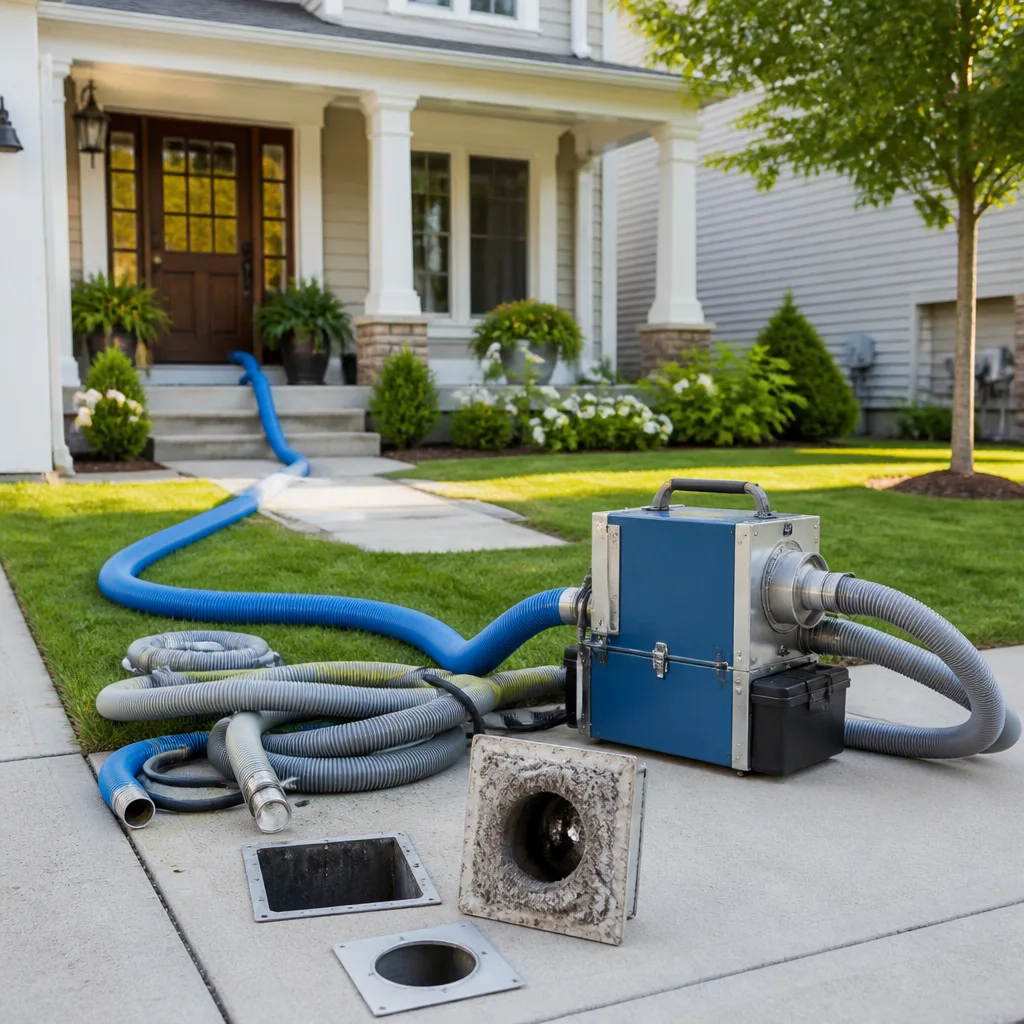 Whole-home duct cleaning
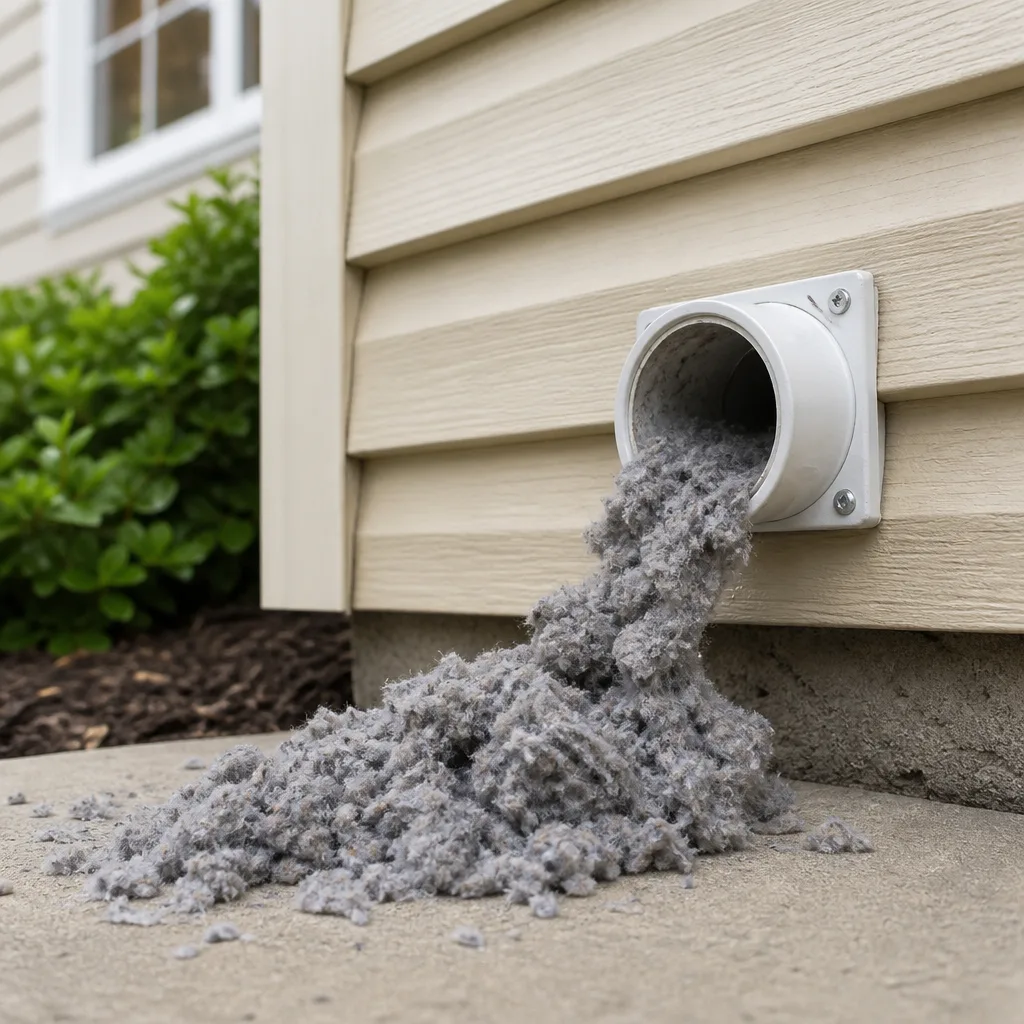 Dryer vent cleaning
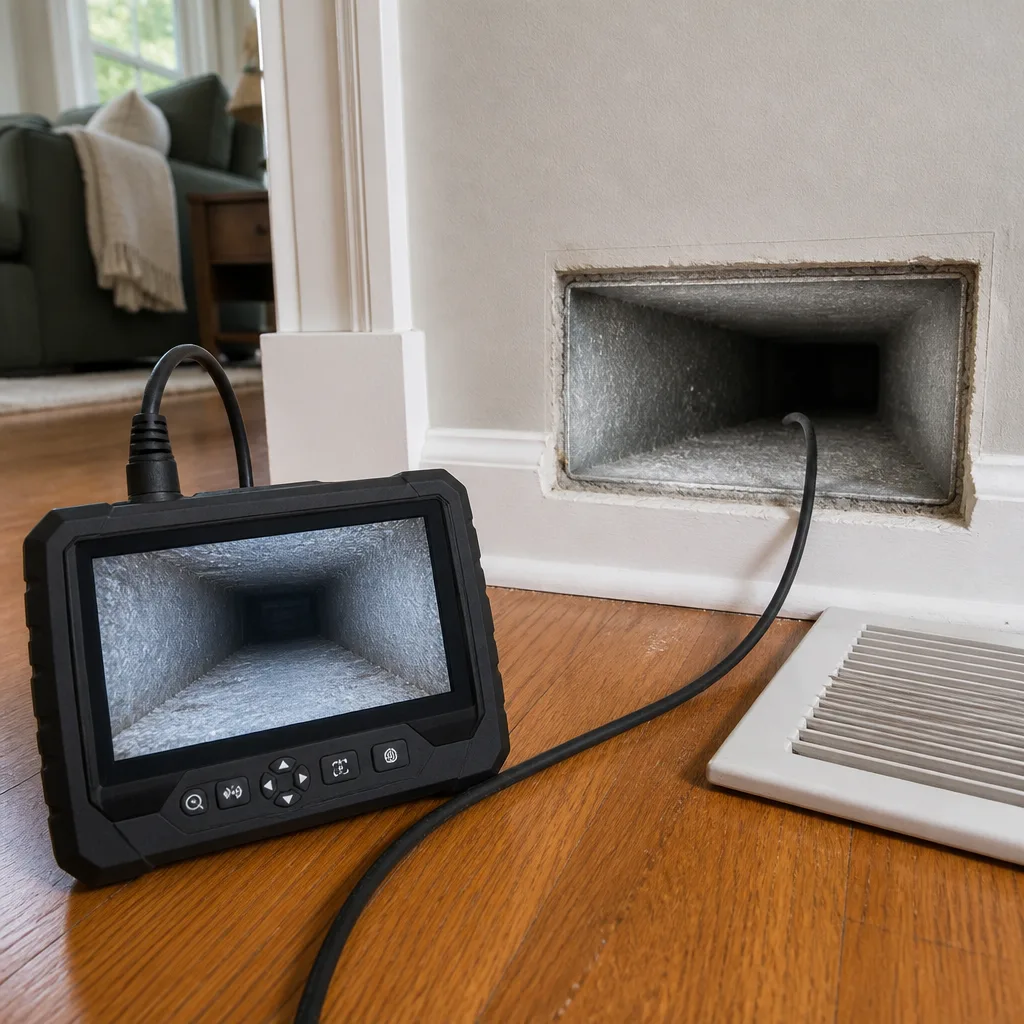 Camera inspection
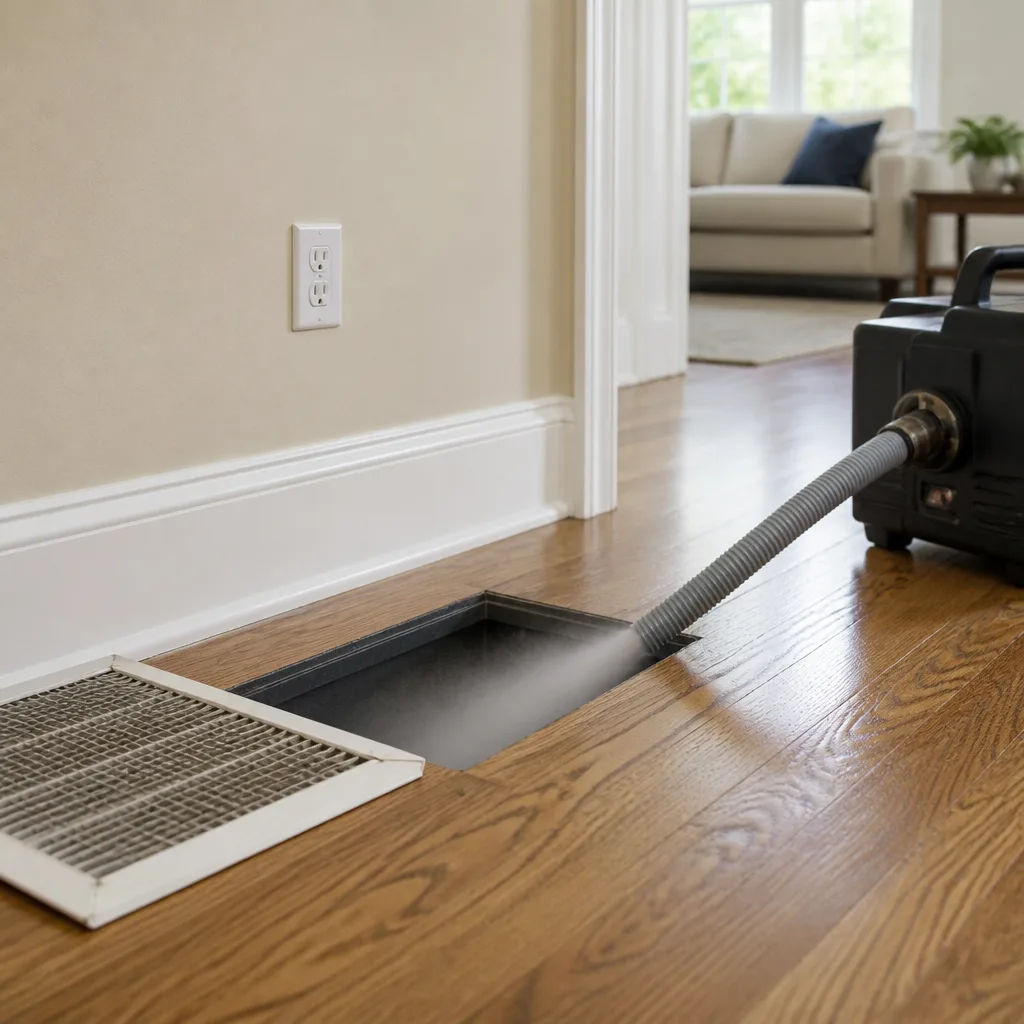 Sanitizing & deodorizing
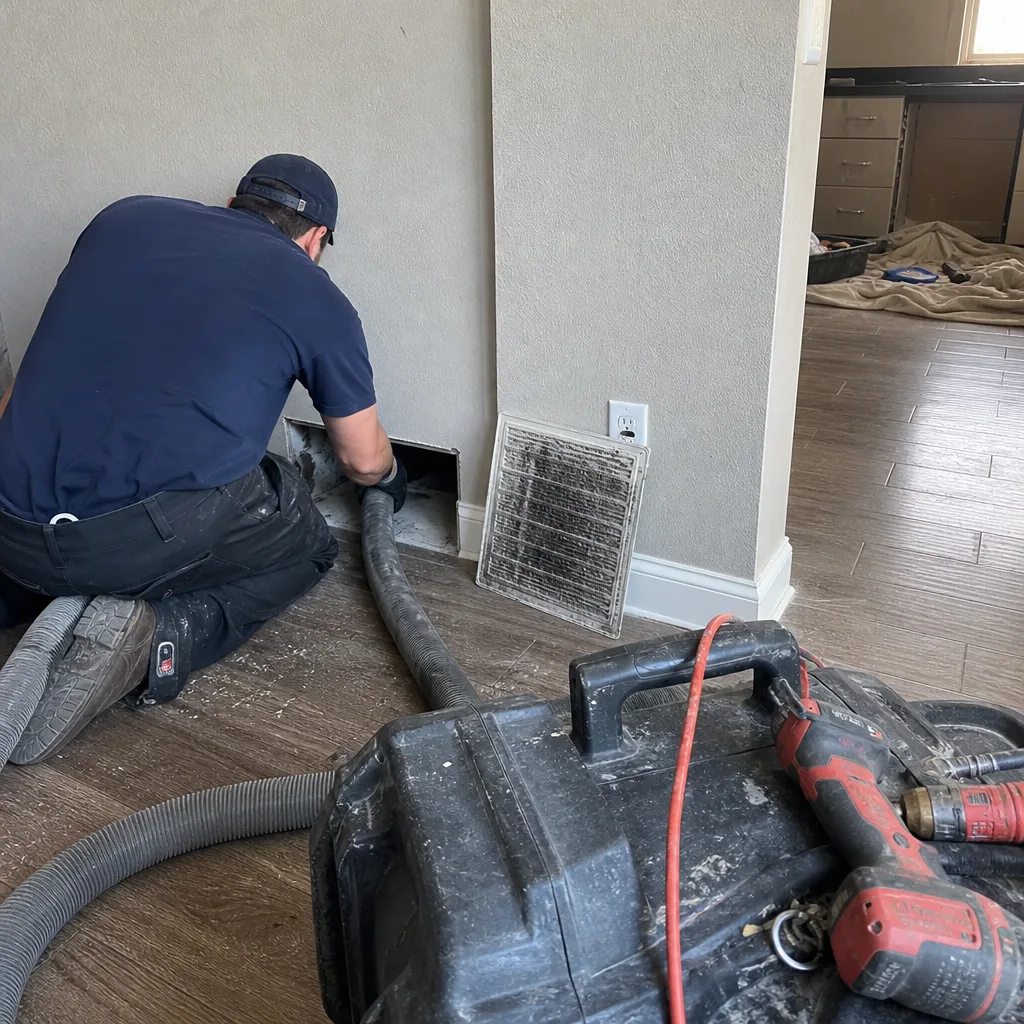
Whole-system duct and dryer vent check with before-and-after photos - you see exactly what came out of your vents
That "$99 whole-house special" is a bait ad - the real number appears once they are in your hallway, or the "clean" is a shop-vac at the register. We photograph the inside of your ducts before and after instead.
How to Hire an Air Duct Cleaning Contractor in Dallas: A Step-by-Step Guide
A $49 whole-house duct cleaning ad is running in Dallas right now, and it is almost certainly not what it appears to be. The service complaint logs for this trade in our city read like a script: a low quote to get the truck in the driveway, a hard upsell once the technician is inside, and a job left half-finished because the crew is already late for the next house. By the time the homeowner realizes what happened, the company’s phone number has changed. Our Air Duct Cleaning services and this guide exist to stop that from happening to you. We’re going to walk you through the seven questions that separate a real Dallas air duct cleaning contractor from that playbook, show you how to verify credentials in Texas state databases in under five minutes, and give you a checklist to confirm the work was actually done before you hand over a check.
Quick Answer
To hire an air duct cleaning contractor in Dallas, verify their Texas licensing and insurance directly through state databases, confirm their NADCA membership is current on the official directory, and require a written line-item estimate before booking. The estimate should specify the cleaning method, the number of vents and returns, the access points to be cut and resealed, and the total price that will not change at the door. Then verify the work with a post-job inspection before the crew leaves your driveway.
Styles & brands we work with
Table of Contents
- Why the Dallas Air Duct Market Has a Bait-and-Switch Problem
- Step 1: Verify Licensing and Insurance (Do This Before Anything Else)
- Step 2: Check NADCA Membership the Right Way
- Step 3: Read a Written Estimate Like a Contractor, Not a Customer
- Step 4: Spot Dallas-Specific Red Flags Before They Cost You
- Step 5: Ask the Seven Questions Every Contractor Should Answer
- Step 6: Run the Post-Job Inspection Checklist
- Why Dallas Climate Makes Duct Cleaning a Different Job
Why the Dallas Air Duct Market Has a Bait-and-Switch Problem
Dallas has a specific set of conditions that make low-bid duct cleaning offers both common and dangerous. The metro area has hundreds of thousands of single-family homes built between 1970 and 2005, which means a huge inventory of aging ductwork that genuinely needs service. That creates a large addressable market, which attracts out-of-town operators who run volume-based crews with no local reputation to protect. They can burn through a neighborhood, collect deposits, and be three states away before the complaints pile up.
Couple that with Dallas’s climate: hot, humid summers that push air conditioning systems hard from May through October, and a surge in demand for anything HVAC-related when the first 95-degree week hits in June. Homeowners in a hurry are the easiest target. A $49 or $99 whole-house special sounds like a bargain when the alternative is waiting two weeks for a legitimate company with a full schedule. But that urgency is exactly what the bait-and-switch model counts on.
The economics do not work. A legitimate Dallas air duct cleaning job requires a truck-mounted or portable negative-air machine, a trained two-person crew for three to five hours, and materials like access panels, mastic, and filters. That job cannot be done profitably for $49. It cannot be done for $99. When you see that number, you are not looking at a cheap duct cleaning. You are looking at a marketing funnel designed to get a commission-based technician into your home under a false premise. What follows is almost always a scripted upsell: “your ducts are much worse than we thought,” “you need sanitizing or the cleaning won’t matter,” “we found a problem with your return that requires immediate sealing.” The final invoice lands somewhere between $600 and $2,000, and the work frequently does not match the billing.
This guide is the antidote. The homeowners who avoid this trap are not more experienced. They just know what questions to ask and what documentation to demand before the truck shows up.
Step 1: Verify Licensing and Insurance (Do This Before Anything Else)
Before you book any air duct cleaning in Dallas, you need to see two documents and verify them through state databases. This takes less than five minutes and eliminates a large share of bad actors on the spot. Air duct cleaning companies in Texas are not required to hold a specific “duct cleaning license” the way electricians or plumbers are licensed by the state, which is why so many unqualified operators can enter the trade. That absence of a state license requirement makes insurance verification even more important. If a company cannot produce a current certificate of insurance showing general liability coverage, you have no financial recourse if a technician damages your property or injures themselves in your home.
Here is the exact verification process, in order:
- Ask for the company’s Texas business registration. Any legitimate operation in Dallas should have an active registration with the Texas Secretary of State or a Dallas County assumed name certificate. You can search the Texas Comptroller’s office and the Secretary of State’s online databases by business name in under two minutes. If the name on the ad does not match any registered Texas entity, that is a hard stop.
- Request a certificate of insurance directly from the company’s insurance agent. Do not accept a photocopy the contractor hands you. Ask them to have their agent email you a certificate. This confirms the policy is active at the time of booking. A policy that lapsed last month will not issue a current certificate.
- Confirm the certificate name matches the business name on your estimate. A common trick in Dallas is to run ads under one name, collect deposits under a different name, and do the work under a third. If the certificate of insurance does not match the name on the written estimate, walk away.
- Ask whether the company carries workers’ compensation insurance. This is not legally required for every Texas business, but it matters to you. If an uninsured worker is injured on your property, a homeowner’s policy can be pulled into the claim. A company that carries workers’ comp is signaling that it runs a proper payroll and is not staffing jobs with day laborers.
We have watched too many Dallas homeowners take a folded piece of paper at face value. Do not. Verification is a five-minute task that tells you more about a company than any review ever will. Our own operation runs every service call under a written verification standard: background-checked, uniformed technicians on every job, and proof of insurance available on request before we even schedule because we know the question is coming and we want the answer to be easy.
Step 2: Check NADCA Membership the Right Way
NADCA, the National Air Duct Cleaners Association, sets the technical standard for the air duct cleaning trade in the United States. Its members agree to follow a specific cleaning methodology and a code of ethics. Membership is not a guarantee of quality, but it is a strong signal that a company has invested in certification and training rather than picking up a rented machine and calling itself a duct cleaner.
The mistake Dallas homeowners make is taking a contractor’s word for it. Any company can put a NADCA logo on a website. The verification process is simple and should be done before you book, not after:
- Go to the NADCA website and open the “Find a Professional” member directory. It is a publicly searchable database. Enter the company name and the Dallas ZIP code.
- Confirm the membership is current, not lapsed. The directory lists active members. A company that was a member three years ago but let it lapse does not appear. If the company claiming NADCA membership does not show up, that is a red flag you cannot ignore.
- Match the exact business name. Some operators use a similar-sounding name to a legitimate NADCA member. The directory will show you the legal operating name. Match it to the name on your estimate.
- Look for the Air Systems Cleaning Specialist (ASCS) certification. NADCA offers an individual certification, not just a company membership. A technician with an ASCS has passed a written exam on cleaning methodology and safety. If a company advertises ASCS-certified technicians, you can ask for the certification number and verify it through NADCA.
This step matters in Dallas specifically because the low-bid operators flooding the market are almost never NADCA members. They do not invest in certification because certification costs money and they do not plan to be around long enough for it to matter. The NADCA check takes two minutes and eliminates a large share of the risk profile in one pass.
Step 3: Read a Written Estimate Like a Contractor, Not a Customer
A written estimate for air duct cleaning should be a detailed document that tells you exactly what will happen, how it will happen, and what it will cost. If you receive an estimate that says “whole house duct cleaning: $X” and nothing else, you are not looking at an estimate. You are looking at a placeholder that will be rewritten at your door.
Here is what a legitimate Dallas air duct cleaning estimate should include, line by line:
- The total number of supply vents and return registers to be cleaned. This should be a specific count, not “all vents.” The technician walks the house and counts. If the estimate does not include this count, the company has not done the basic work to price the job accurately.
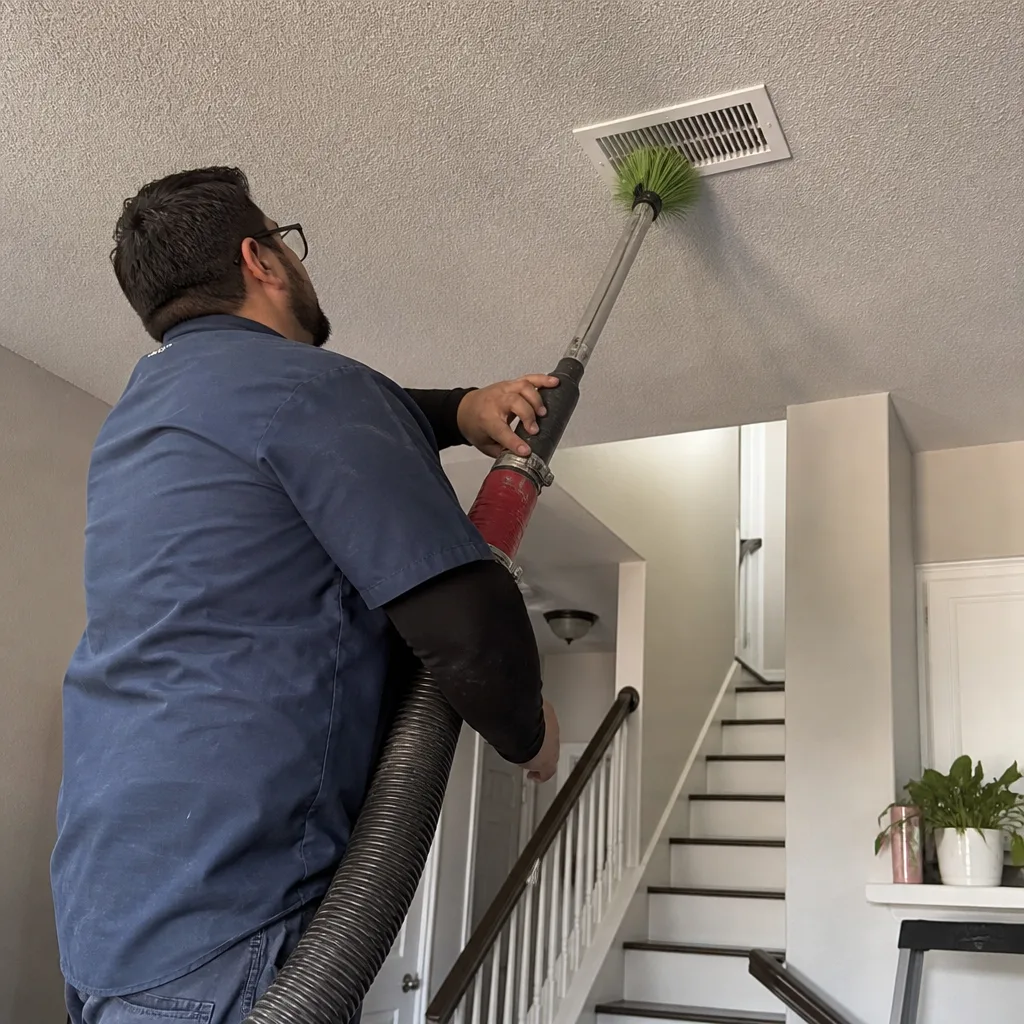
- The cleaning method. The industry standard is the negative-air method, sometimes called source removal. A powerful vacuum is connected to the duct system to create negative pressure, and agitation tools (typically a rotary brush system like a Rotobrush) dislodge debris that the vacuum extracts. If the estimate does not specify the method, assume the company plans to run a shop vac into a couple of vents and call it a day.
- Access point requirements. Proper duct cleaning often requires cutting small access holes into the ductwork to reach interior sections, then sealing those holes with metal patches and mastic. The estimate should state how many access points will be cut (if any), where they will be, and confirm that patching and resealing are included in the price.
- What is included versus what costs extra. If sanitizing, dryer vent cleaning, or duct sealing are optional add-ons, they should be listed as separate line items with separate prices. A common bait-and-switch tactic is to quote a low number for “cleaning” and then claim that sanitizing is “required” once the technician is inside. It is not required. It is optional. The estimate should make that clear in writing.
- The total price, in writing, with a statement that it will not change at the door. This is the single most important line on the document. If it is missing, do not book.
One line item that should concern you: a very high price for sanitizer or deodorizer applied by a fogger. This is a low-cost service with a high markup, and it is the most common upsell in the Dallas market. A legitimate contractor will explain what sanitizing does, tell you it is optional, and price it transparently. A bait-and-switch operator will imply the job is incomplete without it and quote a price four times what it is worth.
For a standard single-family home in Dallas with 8 to 14 vents, a fair whole-system air duct cleaning typically runs between $350 and $600, depending on home size, duct configuration, and the level of contamination. For a detailed look at what drives these numbers, see our Air Duct Cleaning Cost Breakdown: The Dallas Homeowner’s Reference for 2026. That is the honest range for a real negative-air cleaning. A price below $250 is a red flag. A price above $800 for a straightforward cleaning deserves a detailed explanation. We write a flat price per system before we ever touch a tool, and that is the number on the invoice when we leave. No per-vent surprises, no movement at the door.
Step 4: Spot Dallas-Specific Red Flags Before They Cost You
Every market has its own version of the duct cleaning scam. In Dallas, there are five specific solicitations and behaviors that signal trouble before the job even starts. You should know all five.
- Door-to-door offers after storms. Dallas is in hail and severe weather territory. After any significant storm season, crews from out of state show up offering duct cleaning and roofing “inspections.” The duct cleaning pitch is usually a gateway to a roofing claim or a deposit scheme. Legitimate air duct cleaning companies in Dallas do not send people door to door after a hailstorm. If someone knocks on your door and offers a “post-storm duct special,” close the door.
- Unlicensed HVAC add-ons. A duct cleaning technician is not an HVAC contractor. Air duct cleaning, duct repair, and full HVAC installation are regulated differently in Texas. Be wary of a duct cleaning company that “discovers” a need for HVAC repair during a cleaning. A duct cleaning crew should clean ducts. If there is a genuine HVAC issue, get a separate opinion from a licensed HVAC contractor.
- Same-day pressure to decide. A legitimate company that has done the estimate work does not need you to sign before they leave the house. The “this price is only good today” line is designed to prevent you from getting competing quotes. In Dallas, where the low-bid operators are constantly cycling through neighborhoods, the same-day close is their primary conversion tool.
- Deposits paid in cash or to a personal account. Some deposit is reasonable for a large job, but it should be a small percentage, it should be paid to a business account, and you should get a receipt. A company that asks for 50 percent upfront in cash or via a peer-to-peer app is not running a business you want in your home.
- Review profiles that do not match the company name. Before you book, look at the company’s reviews on Google and the Better Business Bureau. If the reviews reference a different company name, or if the reviewer profiles are all new, or if the same glowing review appears across multiple unrelated businesses, that is not a track record. That is a veneer. Real Dallas companies with real history have reviews that mention specific technicians, specific neighborhoods, and specific jobs.
One more Dallas-specific note: if a company’s address is a P.O. box or a virtual office in a different city, that is worth knowing. A duct cleaning company that has been operating in Dallas since 2004 will have a real address, real equipment, and a local phone number answered by a person, not a routing service.
Step 5: Ask the Seven Questions Every Contractor Should Answer
These are the questions to ask on the phone or in person before you book. A legitimate contractor will answer all of them without hesitation. A bait-and-switch operator will deflect, get defensive, or give you a vague answer that sounds like it might be an answer but is not.
- Can you email me a certificate of insurance before we book? A yes with a same-day email is what you want. A pause, a story about their agent being unavailable, or an offer to “bring it to the job” is a no.
- Are you currently listed on the NADCA member directory? A yes should come with “and you can verify it right now on the website.” Any other answer is a no.
- What is your cleaning method, and what equipment do you use? The answer should include “negative air” or “source removal” and a specific type of equipment, like a truck-mounted vacuum or a portable negative-air machine. If the answer is “we clean all the vents,” that is not a method. That is a description of walking through your house with a brush.
- Will you provide a written line-item estimate before any work starts? The only correct answer is yes. Not a verbal estimate, not a “we’ll see once we get in there,” not a range that will be “finalized” later. A written number before work begins.
- What is included in the price, and what costs extra? The answer should be specific: the number of vents, the number of returns, the access points, the resealing, the disinfectant if applicable. If the answer is “everything is included,” ask for that in writing.
- How long will the job take? For a typical Dallas single-family home with one system, a proper negative-air cleaning takes three to five hours. A crew that says it will be done in 45 minutes is not doing the job. A crew that says it needs the entire day should explain why.
- What happens if I am not satisfied with the work? A real answer includes a named guarantee: a specific time period, a specific remedy, and a willingness to put it in writing. The 365-Day Done Right Promise we use at Hollis Air Duct Dallas is named, written, and specific: if the work fails within a year, we return and make it right at no charge, including a free second visit. That is what a guarantee sounds like. “We’ll take care of you” is not a guarantee.
You will notice that none of these questions ask about price. Price matters, but price without documentation is just a number on a flyer. A fair price for real work, verified and backed in writing, is the only price worth paying.
Step 6: Run the Post-Job Inspection Checklist
The worst time to discover a problem with your duct cleaning is two weeks later, when the company’s phone has stopped ringing. The best time is while the crew is still in your driveway. Here is the checklist to run before you sign off on the job and hand over payment.
- Look inside the supply vents. Remove a vent cover from one or two supply registers located furthest from the main unit. Use your phone’s flashlight. You should see clean metal or clean flex duct interior. If you see significant dust, debris, or what looks like an undisturbed layer of buildup, the cleaning did not reach that section. This is the single most telling check, and it takes two minutes.
- Check the return side. Returns pull air into the system and typically carry the heaviest dust load. Open the return grille and look inside. It should be visibly clean, not just “blown out.” A common shortcut is cleaning the supply side but leaving the return side untouched because it is harder to access.
- Confirm access points are properly sealed. If the estimate specified access holes, find them and check the seal. They should be patched with metal or foil tape and sealed with mastic, not left open or covered with a scrap of tape. An unsealed access point is a leak in your duct system.
- Run the system for five minutes. Turn on the fan and walk through the house. Listen for new rattles, buzzing, or whistling sounds that were not there before. A change in noise can indicate a dislodged component or a poorly resealed access point.
- Check for visible debris on the floor. A proper negative-air cleaning should not leave dust and debris scattered across your floors. Some cleanup around the worksite is normal. A layer of dust across your living room is a sign the crew did not use containment procedures.
- Verify the register covers are back in place and tight. Every vent and return grille should be reinstalled and flush with the wall or floor. Missing or loose covers are a sign of a rushed job.
- Ask to see the waste collected. A simple check: the technician should be able to show you the waste container from the negative-air machine. It should contain a visible amount of dust and debris. If the container is empty after a “full-house cleaning,” the system was not doing any actual extraction.
If anything on this list fails, do not pay the final amount. Raise the issue with the technician on site, and if it is not corrected, contact the company immediately. A company that stands behind its work will want to correct a shortcoming. A company that vanishes when you raise an issue is telling you exactly what its guarantee was worth.
Why Dallas Climate Makes Duct Cleaning a Different Job
Air duct cleaning is not the same job in every city. Dallas’s specific climate conditions change the nature of the work, and a good contractor should be able to explain how. For a complete look at what this means throughout the year, see our Seasonal Air Duct Cleaning Care for Dallas: Year-Round Homeowner’s Guide. If they cannot, they are running a generic playbook from a different market.
Dallas summers run long and hot, with sustained overnight lows above 80 degrees from June through September. Your air conditioner runs nearly continuously during those months, which means the blower fan is constantly moving air through the ducts. That continuous operation accelerates the deposition of dust, pollen, and pet dander inside the ductwork. In a city with a shorter cooling season, the same house might take ten years to accumulate the buildup that a Dallas system picks up in five.
Spring brings another factor: Dallas is in one of the heaviest allergy corridors in the country, with cedar in winter, oak and grass in spring, and ragweed in fall. Homes in neighborhoods like Preston Hollow, Lake Highlands, and Richardson run their systems during allergy season with windows closed, which means the ducts are the only air path. If the ducts are carrying a load of accumulated pollen from previous seasons, your system is redistributing it into the living space every time the fan kicks on.
And then there is humidity. Dallas air in the summer is moist, and that moisture finds its way into ductwork, especially in older homes with uninsulated or poorly sealed ducts. Damp duct interiors combined with dust deposits create conditions for mold growth, particularly where condensation forms at the junction of the air handler and the supply plenum. This is not a theoretical concern. We have seen it in Dallas homes built in the 1980s with unsealed metal ducts in vented attics.
A contractor who knows Dallas will ask about the age of your home, the type of ductwork, whether you have pets, and whether anyone in the house has significant allergies. Those questions are not small talk. They are the difference between a generic cleaning and a job designed for your specific system in this specific climate. For a deeper look at how we approach this trade in the Dallas market, see our Air Duct Cleaning in Dallas page.
Related Services That Often Get Bundled
During the estimate process, a good contractor may flag two related services that have their own value and their own pricing logic. Neither should be forced on you, but both are worth understanding because they frequently show up in estimate line items.
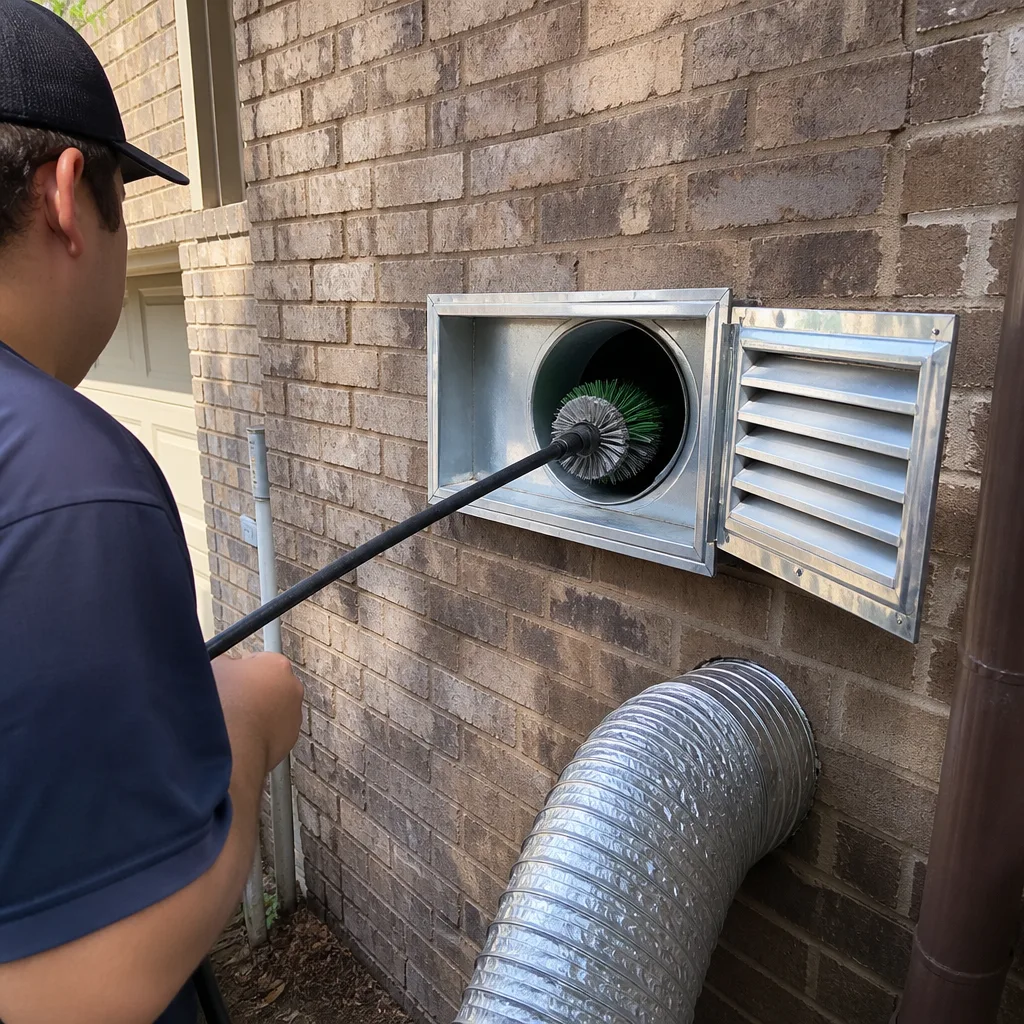
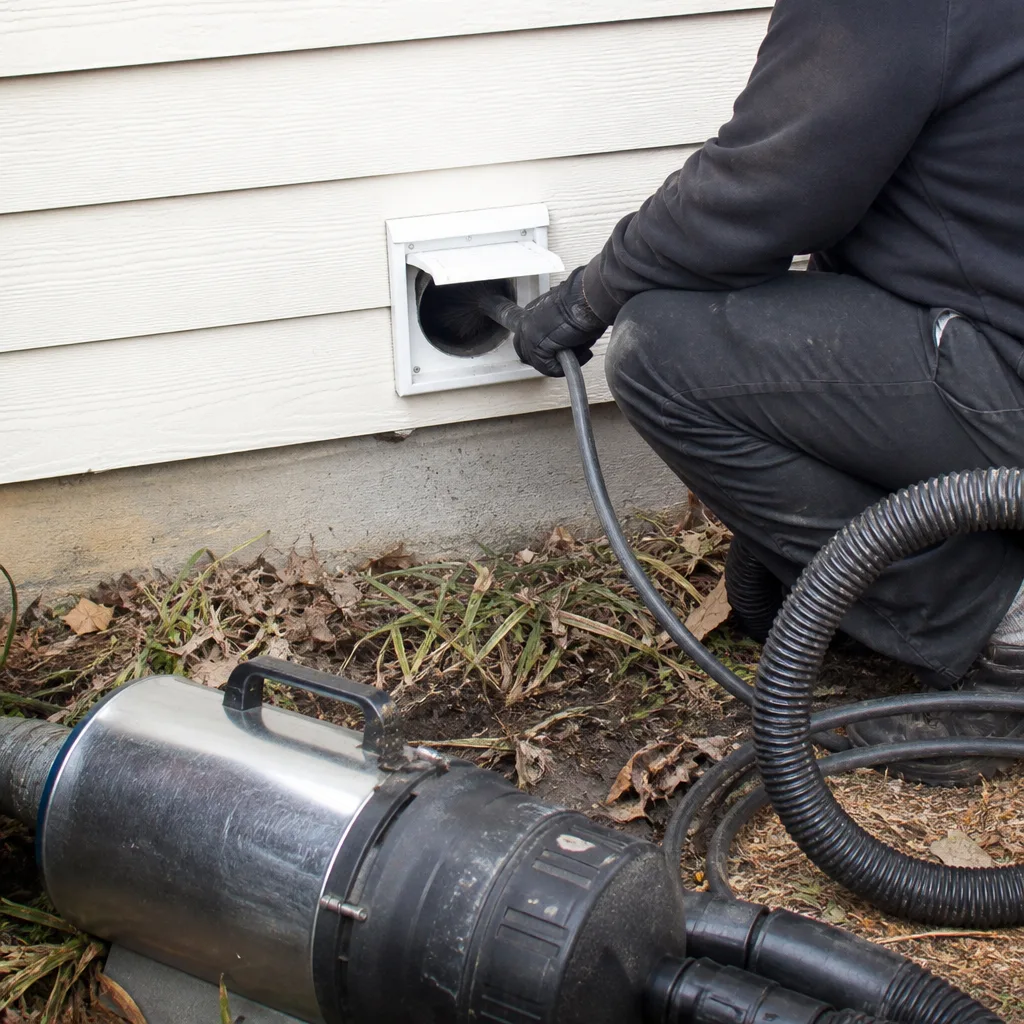
Dryer vent cleaning is not the same thing as air duct cleaning. It addresses the exhaust duct that runs from your dryer to the outside. In Dallas, where dryer vents often run through hot attics and long runs are common in single-story homes, lint accumulation is a genuine fire hazard. A professional dryer vent cleaning typically runs $100 to $180 as a standalone service and involves running a rotary brush through the entire vent run to remove accumulated lint. It should not be a $400 add-on to a duct cleaning. If you are interested in the details, we have a dedicated Dryer Vent Cleaning in Dallas guide.
Duct sealing is another separate service that addresses air leaks in the duct system. In Dallas, where ductwork in unconditioned attics is common, leaks can account for 20 to 30 percent of your cooling load. Sealing with mastic or an aerosol system is a legitimate energy efficiency measure, but it should be priced as its own line item with its own explanation. It is not something a technician should “throw in for free” as a fear-based upsell during a cleaning. We offer Duct Sealing in Dallas as a separate, clearly scoped service.
If a contractor tries to bundle all three of these services into a single price with no line-item breakdown, that is a signal to slow down. A legitimate company prices each service separately and lets you decide what makes sense for your home and your budget.
What happens when you call
- 1
A real person answersNo phone trees - you reach a local pro.
- 2
You get an upfront price rangeHonest numbers before anyone is dispatched.
- 3
A background-checked tech heads outLicensed & insured, dispatched right away.
- 4
You approve before work beginsNothing starts until you say go.
The Garrison Standard and What It Actually Means on a Job
You will hear Hollis Air Duct Dallas reference The Garrison Standard, and it is worth explaining what that means in operational terms rather than leaving it as a vague phrase. The Garrison Standard is a written operating code that governs how our technicians behave on every job. It requires four specific things: arriving inside the quoted arrival window, providing a written price before any work starts, completing the job by the method specified on the estimate, and leaving the site clean when the job is done.
That last point sounds small, but it is one of the most common complaints in the duct cleaning trade. A crew that hauls equipment through a finished house without drop cloths, leaves access hole debris in the hallway, and does not reinstall register covers properly is doing damage that you will not notice until after they are gone. The Garrison Standard exists to prevent that. It is not a marketing slogan. It is the checklist our technicians are required to follow on every single service call, and it is the reason we can put a written guarantee behind the work.
Roy Castellanos, the owner of Hollis Air Duct Dallas, has been running service calls under this standard since 2004. That track record predates most of the companies currently advertising $49 duct specials in the Dallas market. A company that has been serving the same metro area for two decades has a reason to do the job right: the same homeowners are still there, and so is the company.
See the difference
 Before
 After
After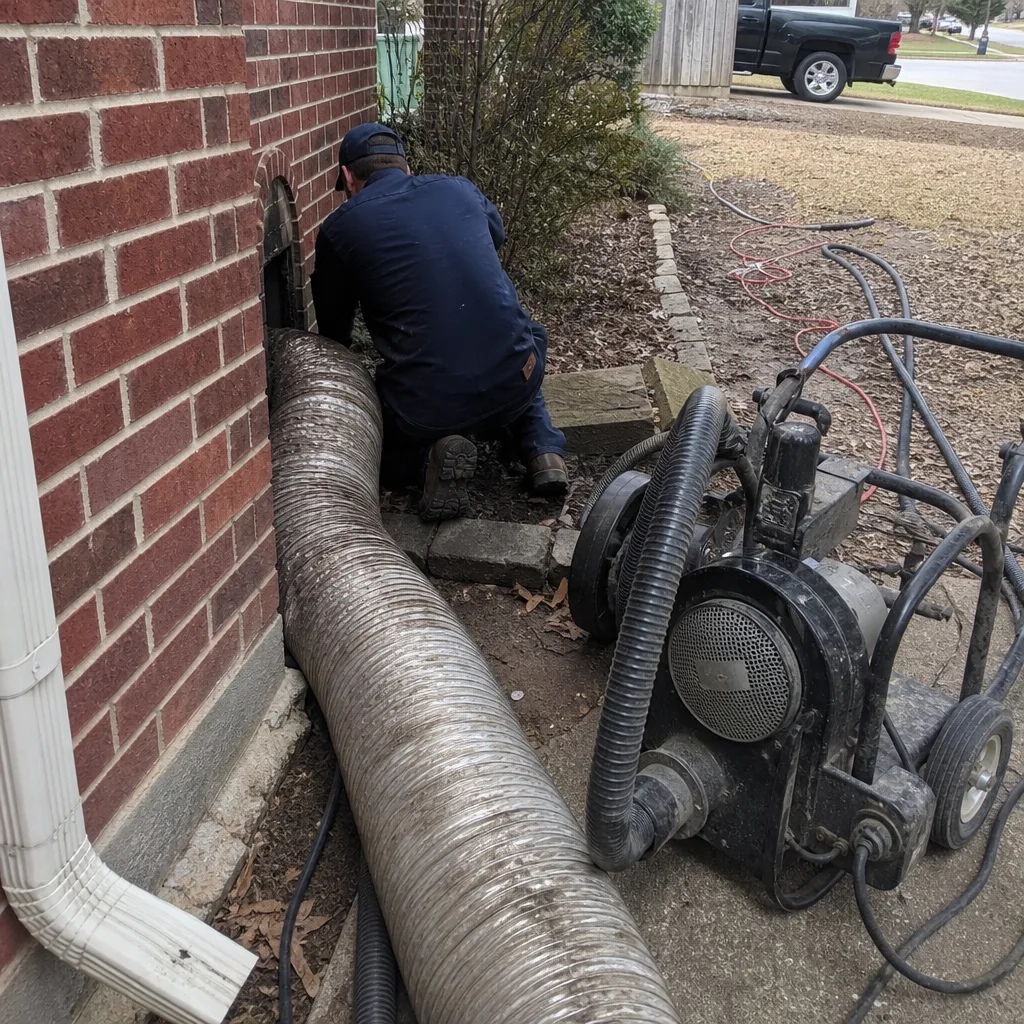 Before
 After
After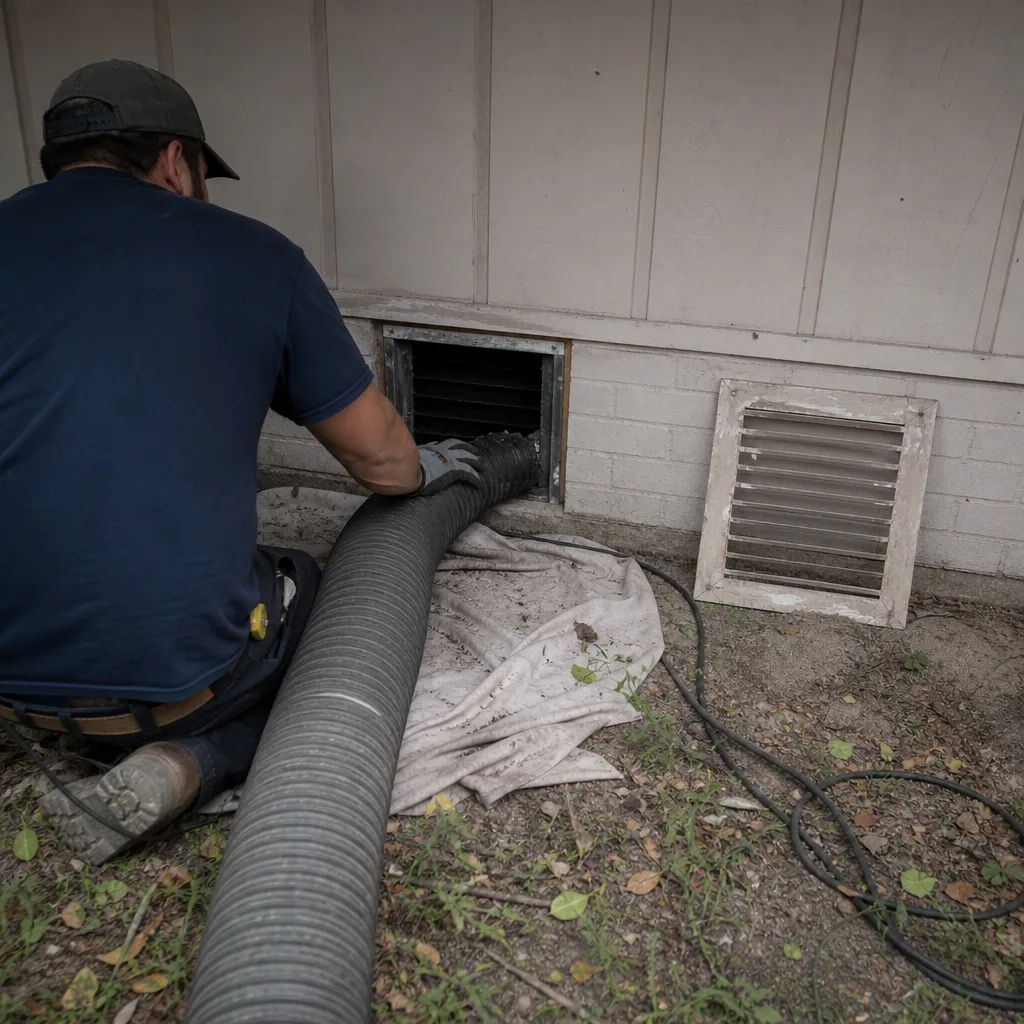 Before
 After
AfterCommon Mistakes to Avoid
- Booking based on the lowest price without verifying anything else. A $49 duct cleaning is a $49 ticket into your home for a commissioned sales pitch. Verify credentials first, then compare prices.
- Taking a NADCA claim at face value. Check the member directory. A lapsed membership is not a membership. This takes two minutes on the NADCA website.
- Accepting a verbal estimate. If the price is not on paper before work starts, it will be different by the time the technician leaves. A written estimate protects both parties.
- Paying a large deposit in cash. A small deposit to a business account is normal. A large cash deposit to an individual is how people lose money in Dallas every summer.
- Skipping the post-job inspection. You have the crew on site and the work is fresh. Two minutes with a flashlight at the farthest vent tells you more than any review ever will. Do not wait two weeks to check.
- Letting a duct technician talk you into HVAC repairs. Duct cleaning and HVAC repair are different trades with different licensing in Texas. If a real problem is found, get a separate opinion from a licensed HVAC contractor before spending money.
- Assuming all Dallas duct cleaning companies operate the same way. They do not. The difference between a legitimate operation and a fly-by-night is in the documentation, the method, and the guarantee. Ask for all three.
When to Call a Professional
Some situations should trigger an immediate call to a professional air duct cleaning contractor in Dallas. If you have recently completed a home renovation and drywall dust has been pulled into the system, do not let it sit: that fine dust will be redistributed through the house for months. If you have visible mold growth on the interior of supply vents or a musty odor that gets stronger when the fan runs, that requires professional evaluation. If someone in the home has been diagnosed with a dust or mold allergy and symptoms worsen when the system runs, a professional cleaning should be part of your remediation plan. If you have moved into a home and have no record of the ducts ever being cleaned, a professional inspection will tell you whether there is a buildup problem. And if you see dust billowing from your vents when the fan kicks on, that is not normal operation, that is a system carrying a load of accumulated debris. Hollis Air Duct Dallas offers free estimates in Dallas. Call (361) 309-6223 to schedule one, and you will get a written price before any work begins.
Back to our Hollis Air Duct Dallas home page for more information on how we operate in the Dallas metro.
Frequently Asked Questions
A fair whole-system air duct cleaning in Dallas for a standard single-family home with 8 to 14 vents typically runs between $350 and $600, depending on home size, duct configuration, and contamination level. Prices below $250 are almost always a setup for upsells, and prices above $800 for a straightforward cleaning deserve a detailed explanation. Call (361) 309-6223 for a written estimate on your specific system.
In Dallas, where the cooling season runs long and the allergy season is intense, most homes benefit from a professional air duct cleaning every 3 to 5 years. Homes with pets, smokers, recent renovations, or occupants with significant allergies may need it more often. The right interval depends on your specific system and household, and a good contractor will give you an honest recommendation rather than a scripted “every year” answer.
A very low duct cleaning quote is almost always a marketing device, not a real price. The job cannot be done profitably at $49 or $99, so the low quote exists to get a technician into your home, where a scripted upsell raises the final invoice. The final bill from a low-quote operator frequently lands higher than the honest quote from a legitimate company, and the work is often incomplete. Call (361) 309-6223 for a written estimate that will not move at the door.
Open a vent cover at the farthest supply register from the main unit and look inside with a flashlight. The metal or flex duct interior should be visibly clean, not coated with undisturbed dust. Check the return side, inspect the negative-air waste container for collected debris, and confirm all access points are sealed. If any of these checks fail, raise the issue with the technician on site before paying.
NADCA certification is not legally required in Texas, but it is a strong signal of legitimacy. NADCA members follow a defined cleaning methodology and code of ethics, and individual technicians can earn an Air Systems Cleaning Specialist certification. Verify current membership on the NADCA member directory before booking, rather than taking a contractor’s claim at face value.
The negative-air method, also called source removal, is the industry-standard approach to air duct cleaning. A powerful vacuum creates negative pressure inside the duct system while agitation tools dislodge debris, which is then pulled to the vacuum and contained rather than blown into your living space. It matters because it is the only method that actually removes debris from the system rather than pushing it around. Ask any contractor you are considering what method they use before you book. Call (361) 309-6223 and we will walk you through our process in plain terms.
The Bottom Line
Hiring an air duct cleaning contractor in Dallas does not have to feel like a gamble. The difference between a good experience and a bait-and-switch is not luck. It is documentation. Verify Texas business registration and insurance directly with the issuing agent. Confirm NADCA membership on the official directory. Require a written line-item estimate that specifies the cleaning method, the vent count, and a total that will not change at the door. Ask the seven questions, run the post-job checklist, and refuse to be pressured into a same-day decision. A legitimate company like Hollis Air Duct Dallas will welcome every one of those steps, because that is what running a disciplined operation looks like. For more guides & resources on protecting your home, visit our blog. Call (361) 309-6223 for a free estimate, and you will have a written price before any work begins. That is how it should work.
Written by Roy Castellanos, Owner at Hollis Air Duct Dallas, serving Dallas since 2004.