
Last updated October 15, 2026
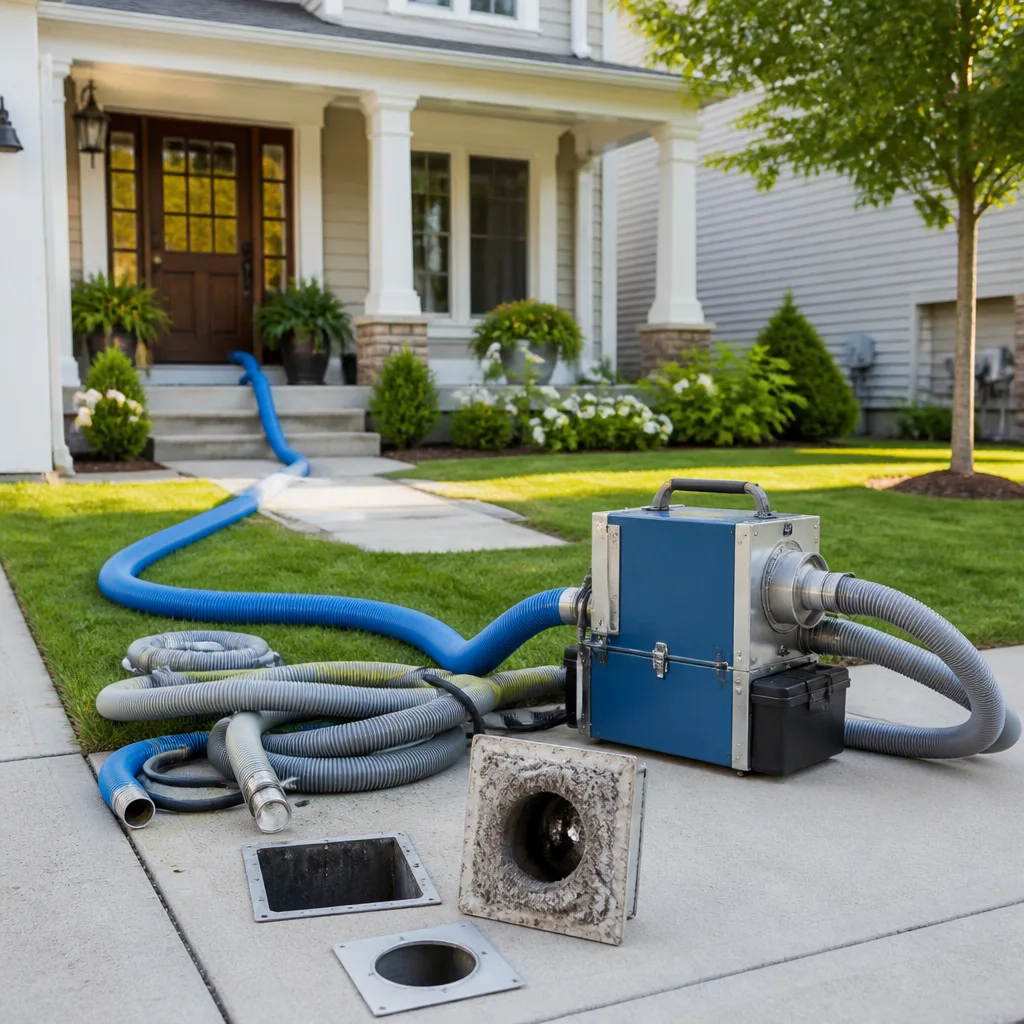 Whole-home duct cleaning
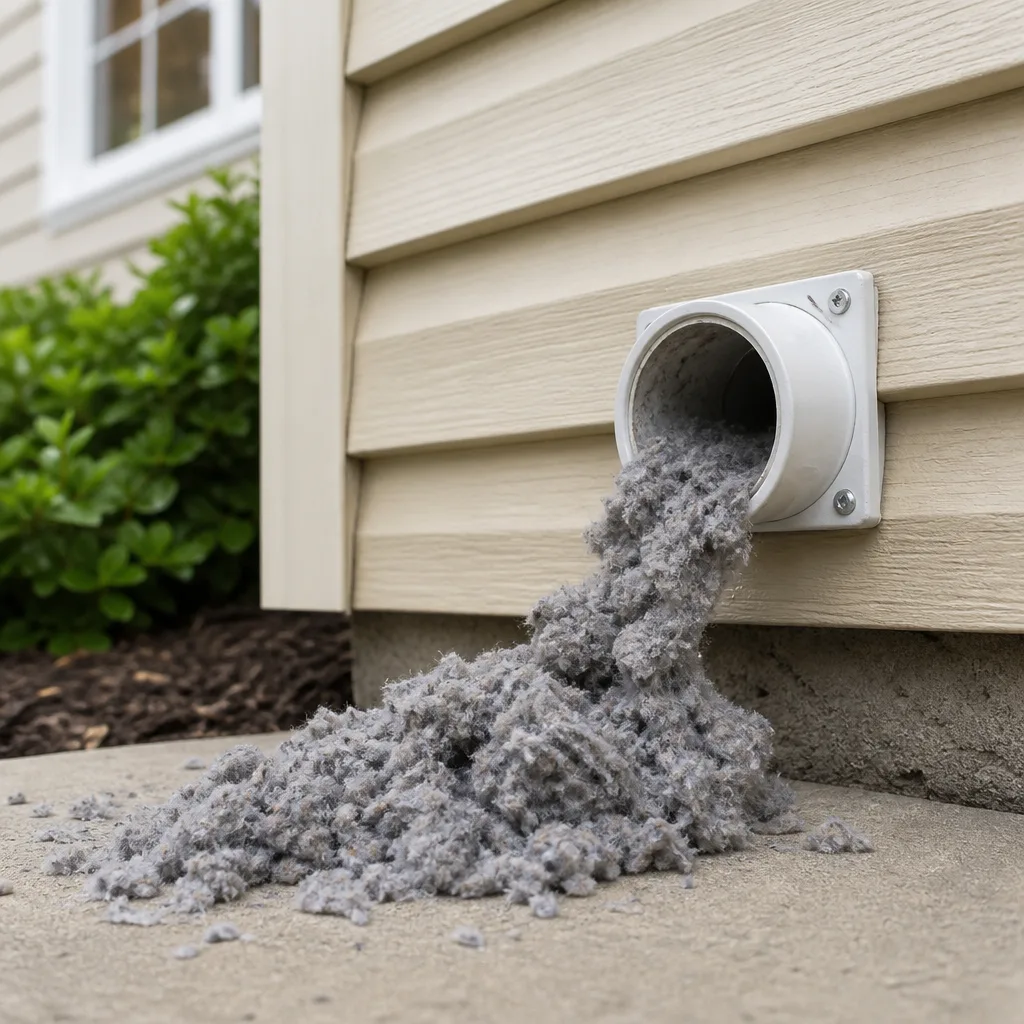 Dryer vent cleaning
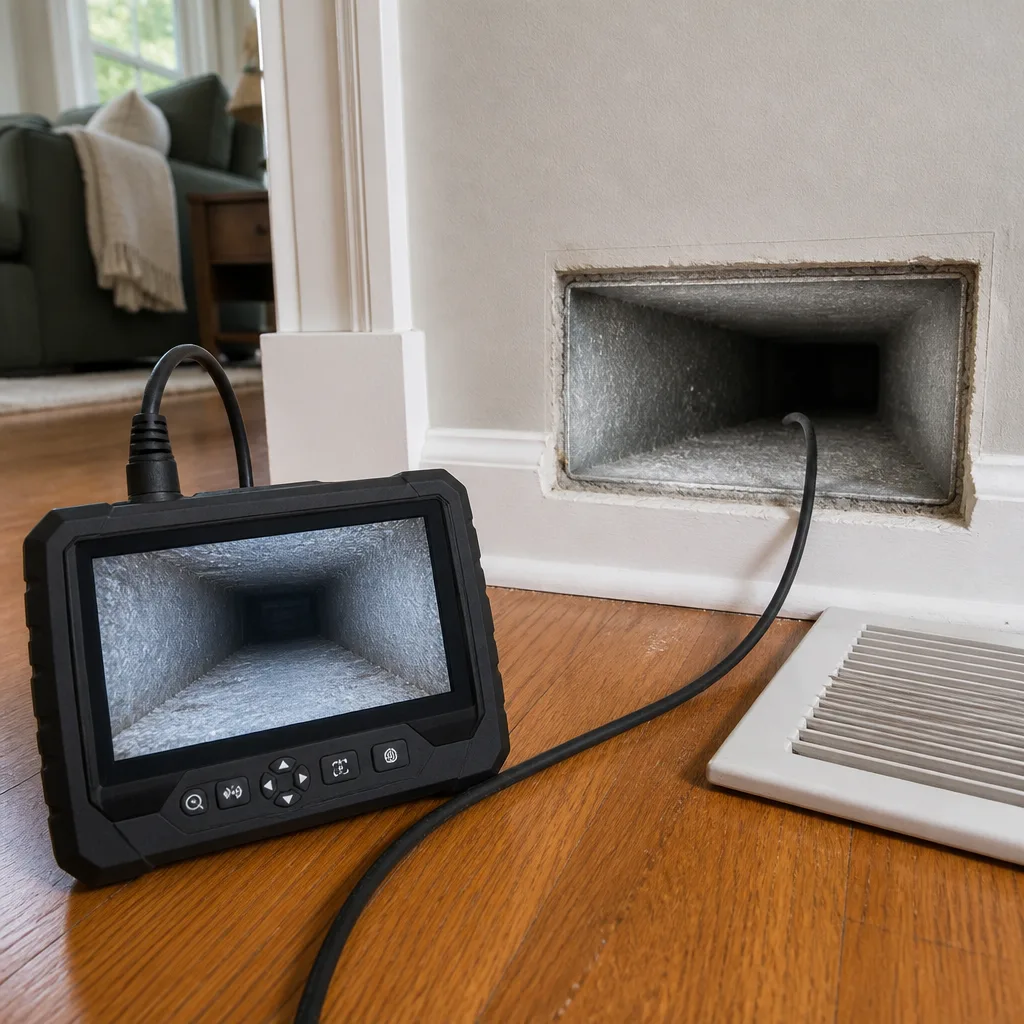 Camera inspection
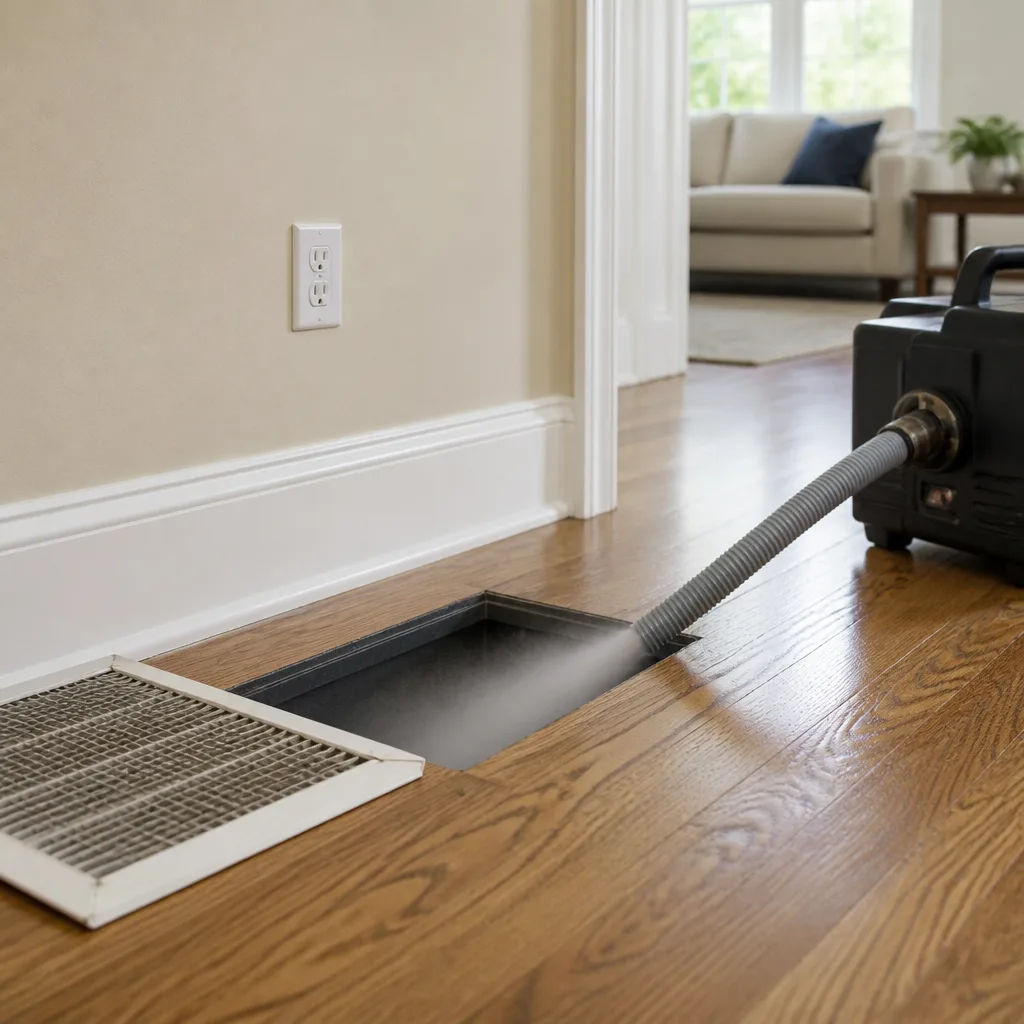 Sanitizing & deodorizing
Whole-system duct and dryer vent check with before-and-after photos - you see exactly what came out of your vents
That "$99 whole-house special" is a bait ad - the real number appears once they are in your hallway, or the "clean" is a shop-vac at the register. We photograph the inside of your ducts before and after instead.
DIY vs Professional Air Duct Cleaning: The Dallas Homeowner’s Decision Guide
You can rent a shop vac, buy a brush kit, and spend a Saturday on your ducts. You’ll clean the first 18 inches of every register. The contamination that actually affects air quality in Dallas homes lives 4 to 8 feet deeper in the trunk lines, and that’s the gap no DIY guide mentions. This guide breaks down what consumer equipment can actually reach, what it cannot, what a professional source-removal setup does differently, and how to decide which path makes sense for your specific house.
Quick Answer
For most Dallas homeowners, DIY duct cleaning delivers surface-level results that stop where the real problems start. Consumer-grade vacuums and brush kits cannot generate the negative air pressure or reach the depth required to remove settled dust, debris, and biological growth from trunk lines and return plenums. A professional Air Duct Cleaning using rotary brush or negative-air equipment typically runs $300 to $600 for a full system in Dallas, while a thorough DIY attempt costs $150 to $300 in rentals and supplies and still leaves the deepest contamination untouched.
Styles & brands we work with
Table of Contents
- What DIY Duct Cleaning Can Actually Do
- What Professional Equipment Actually Reaches
- The Real Cost of DIY: Equipment, Time, and the Cleanup Afterward
- Dallas-Specific Considerations: Climate, Attics, and Construction
- When DIY Maintenance Makes Sense
- The Decision Matrix: Four Variables That Determine Your Path
- Common Mistakes to Avoid
- When to Call a Professional
What DIY Duct Cleaning Can Actually Do
Let’s be straight about what a homeowner with a rented vacuum and a brush kit can accomplish. You can clean the visible portion of each register boot, the first 6 to 18 inches where the vent meets the duct. You can wipe down vent covers, vacuum the return grille, and remove some loose debris from easily accessible ducts on the first floor. That’s genuinely useful work. It’s the maintenance equivalent of vacuuming your welcome mat while the carpet in the back bedroom hasn’t been touched in eight years. In our experience cleaning Dallas systems since 2004, register-level cleaning captures maybe 10 percent of the total surface contamination in a typical home.
The physical limitation is simple: consumer vacuums lack the hose length, the reach, and the suction power to pull debris from trunk lines running through walls, chases, and attic spaces. A shop vac pulls air through a 2.5-inch hose for 10 to 15 feet. The average Dallas residential duct system has 50 to 200 feet of runs, much of it inaccessible from a register opening. The brush kits sold at home centers clean a circle slightly larger than the vent opening, which means the duct immediately behind the register gets scoured while everything beyond stays put.
What Professional Equipment Actually Reaches
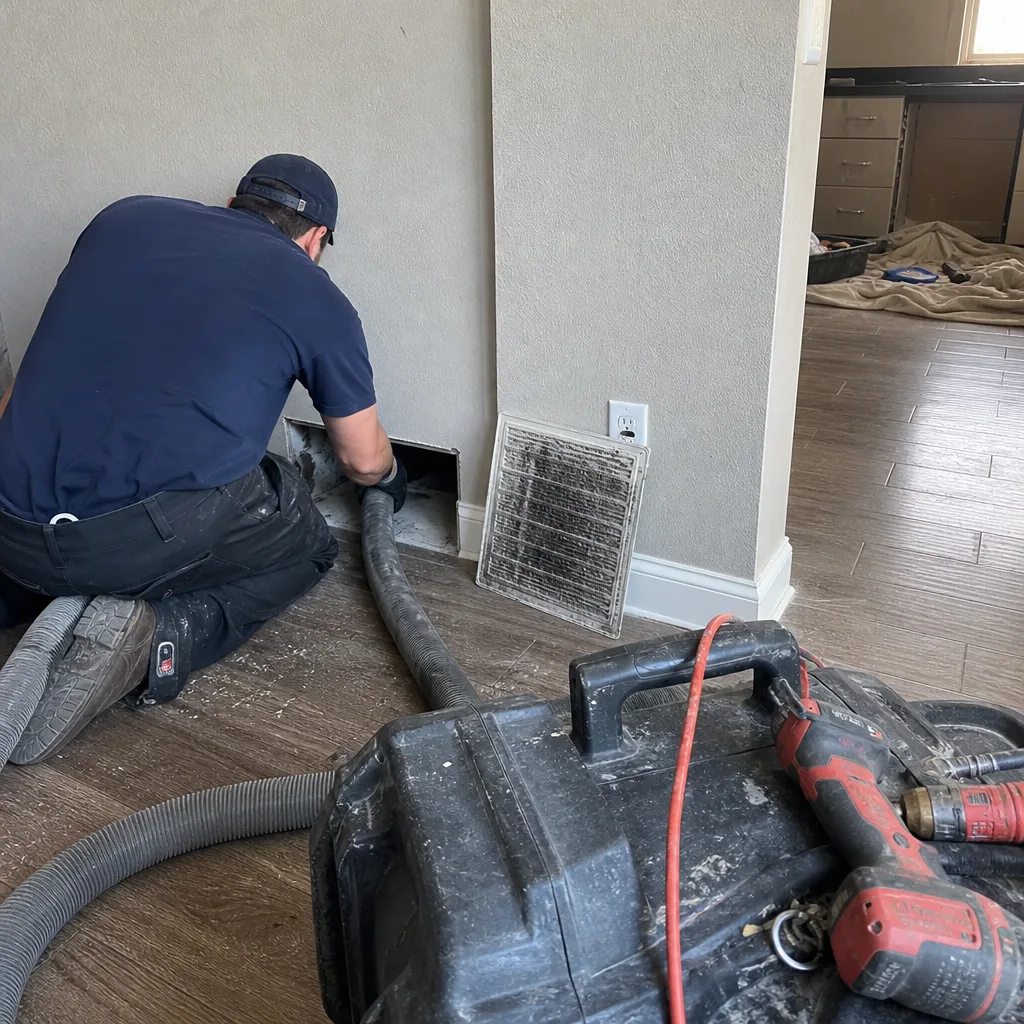
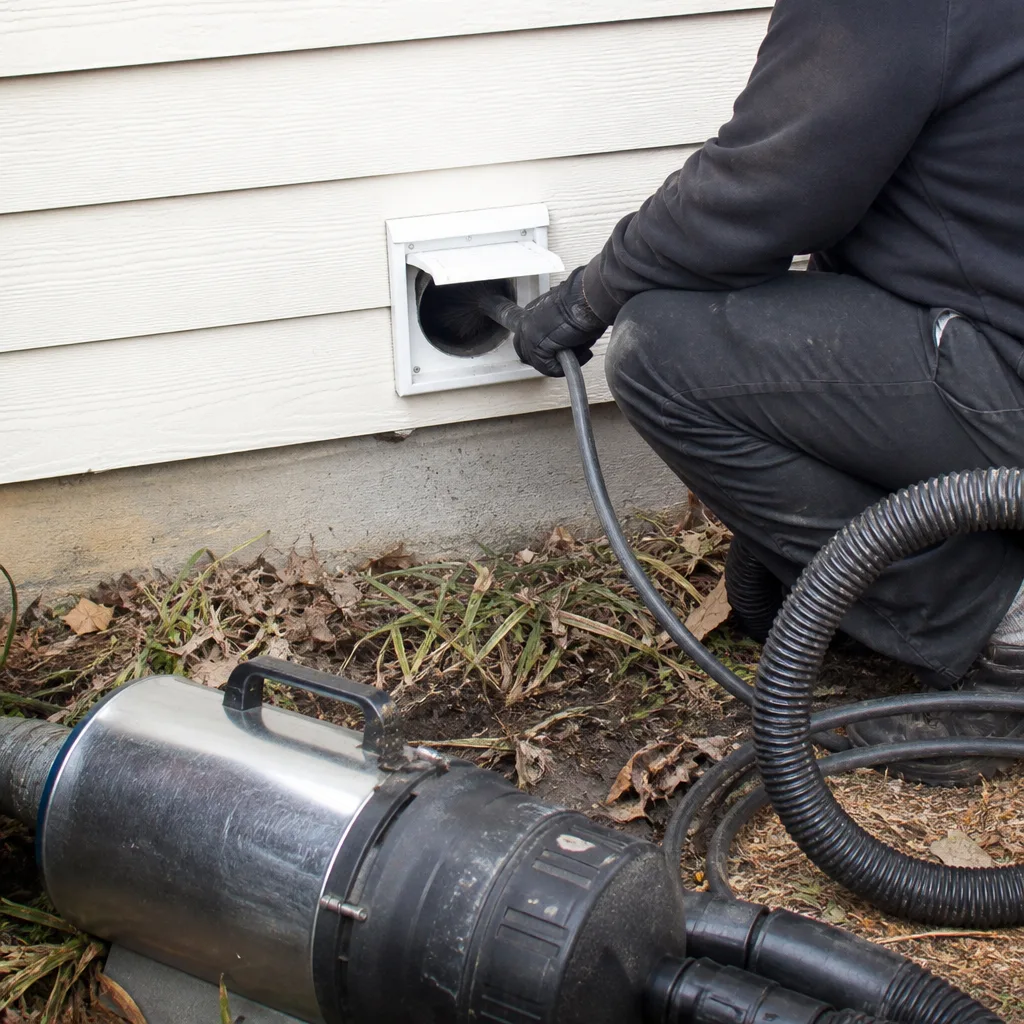
Professional source-removal equipment operates on a different principle. A negative-air machine, like the Nikro units used by pro crews in Dallas, connects to the duct system and creates enough suction to pull air backward through every run while a technician works each register from the other end. The machine doesn’t just vacuum the opening; it reverses the airflow through the entire system. That’s the difference between wiping your windshield and going through a car wash.
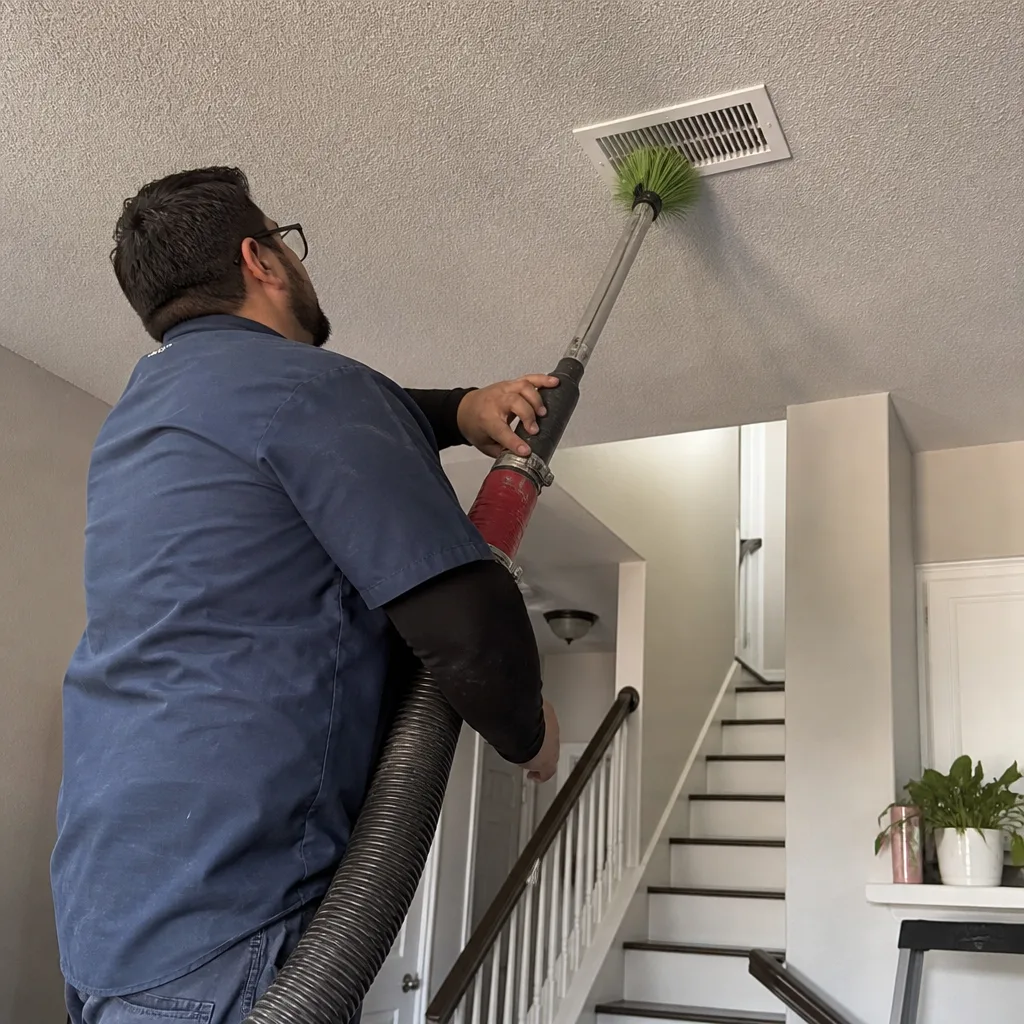
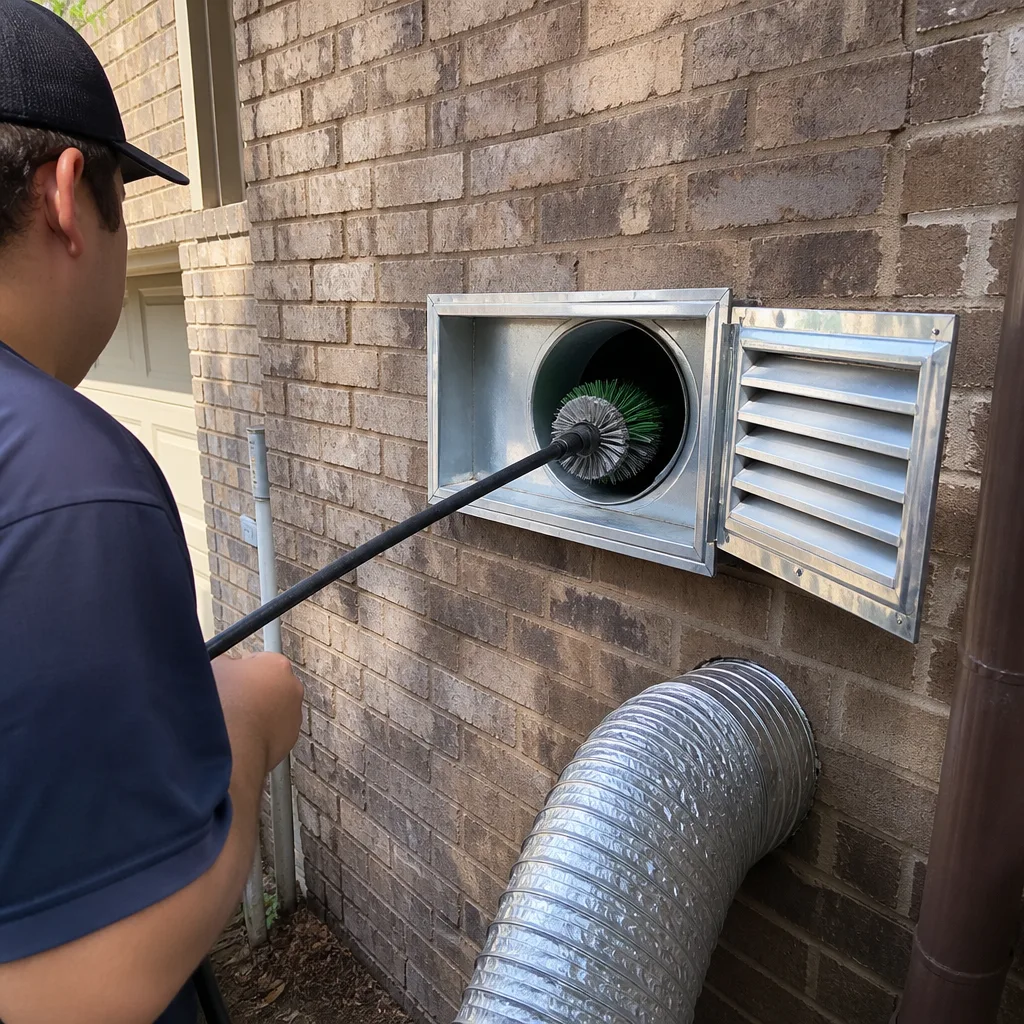
A rotary brush system, like the Rotobrush equipment we run at Hollis Air Duct Dallas, pushes a spinning brush head down the full length of each duct run while the negative-air machine pulls loosened debris out of the system rather than recirculating it into the home. This combination reaches trunk lines, return plenums, and the deep sections of supply runs that a 12-foot shop vac hose physically cannot touch. The result is measured in pounds of material removed, not visible clean spots. A typical Dallas home cleaning removes 3 to 8 pounds of dust, debris, and biological material. No consumer setup can do that.
The Real Cost of DIY: Equipment, Time, and the Cleanup Afterward
Here’s what a serious DIY attempt actually costs in Dallas as of 2026:
- Shop vac rental: $35 to $60 per day from a Dallas rental yard. Many home models lack the airflow needed for anything beyond register-level work.
- Duct brush kit: $25 to $80 at a home center. Most kits include flexible rods that reach 10 to 15 feet but struggle with elbows, drops, and plenums.
- Air filters: $10 to $30. You’ll need fresh filters after the attempt, since any disturbed debris ends up caught there.
- Protective gear: $20 to $50 for a P100 respirator and gloves, which you should not skip if your ducts haven’t been cleaned in years.
- Your time: 6 to 10 hours for a first attempt, assuming you can access the registers on both floors. Attic work in a Dallas summer adds another layer of fatigue and safety concern.
That puts the honest DIY outlay at $90 to $220 in hard costs plus a full day of labor. The website guides that promise a full duct cleaning for the price of a brush kit are describing surface cleaning, not source removal. After a genuine DIY attempt, homeowners frequently call us because the visible registers look better but the airflow hasn’t improved and the dust on furniture returns within weeks. The professional cleaning that should have happened first ends up happening anyway, after the DIY money is already spent. A full professional cleaning in Dallas typically runs $300 to $600 for an average single-family system. For the incremental difference, you’re buying reach, negative pressure, actual source removal, and a written standard applied to the work.
Dallas-Specific Considerations: Climate, Attics, and Construction
Dallas homes deal with conditions that make duct contamination worse and DIY attempts more risky. Summer afternoons push attic temperatures past 130 degrees in July and August. That’s where most duct runs live in slab-foundation houses across Plano, Richardson, Garland, and Mesquite. Crawling into a 130-degree attic with a rented vacuum is not a Saturday project; it’s a heat-stress risk. We schedule deep cleanings in the early morning for exactly this reason.
Dallas also has serious pollen seasons: oak and cedar in spring, ragweed in fall. Pollen that infiltrates leaky ductwork settles inside the system and re-circulates whenever the blower runs. A DIY register wipe-down removes what’s visible at the opening. The pollen embedded in the trunk line stays. This is also why Duct Sealing in Dallas matters as a follow-up to a deep cleaning. Sealed ducts keep future pollen, roof dust, and attic insulation out of the air stream. Sealing is a separate service, not something a brush kit addresses.
One more Dallas factor: many homes built between 1970 and 2000 used fiberglass-lined plenums. Disturbing the inner surface of those plenums with improvised tools can release fiberglass particles into the airflow. We see this regularly in the Lake Highlands and Richardson corridors. A professional crew running negative-air equipment contains and removes those particles. A homeowner leaning into a plenum with a vacuum attachment does not.
When DIY Maintenance Makes Sense
DIY has a legitimate role. It’s not a substitute for source removal, but it’s honest maintenance between professional cleanings. For more guides & resources, here’s what we tell Dallas homeowners to do themselves:
- Change your air filter every 60 to 90 days, or monthly during high pollen season. Use a MERV 8 to MERV 13 filter for residential systems. Brands like Honeywell and Aprilaire make reliable options available at Dallas-area retailers.
- Vacuum the return grille and register covers whenever you vacuum the room. This takes 30 seconds per vent and keeps the visible surfaces clean.
- Inspect the registers every spring and fall. Look for visible dust caking, black streaks, or a musty smell when the blower kicks on. These are signals that a professional cleaning is needed.
- Clean the coils and drain pan on the indoor air handler if accessible. Condensate buildup on the coil breeds biological growth that starts inside the equipment and spreads through the ducts.
- Run a visual check on exposed ductwork in the attic or basement twice a year, looking for separated joints, collapsed flex runs, or visible gaps. If you see any, Hollis Air Duct Dallas home services include inspection as part of every cleaning.
These tasks keep surface contamination down and catch problems early. They do not remove the accumulated debris inside the duct system. Think of it as brushing your teeth versus getting a professional cleaning at the dentist: both matter, but they aren’t the same procedure.
The Decision Matrix: Four Variables That Determine Your Path
When a homeowner asks us whether DIY will work for their situation, we walk through four variables - the same framework covered in our How to Hire a Air Duct Cleaning Contractor in Dallas: A Step-by-Step Guide. They’re the same four any honest technician in Dallas should consider:
1. Home age
Homes under 5 years old with sealed ductwork and consistent filter changes may not need deep cleaning yet, regardless of method. Homes over 15 years old in Dallas have accumulated enough construction dust, pollen cycles, and biological material to make professional source removal the only genuinely effective option. If the previous owners lived in the house for a decade and cleaned the ducts zero times, that history is in the trunk lines.
2. Last professional cleaning date
The National Air Duct Cleaners Association recommends a full cleaning every 3 to 5 years for most homes, and Dallas’s pollen load pushes many households toward the 3-year side of that range. If your last professional cleaning was more than 5 years ago, or you don’t know when it happened, DIY register work won’t close the gap. The accumulated debris load is beyond consumer equipment.
3. Contamination type
Visible dust you can wipe off a register is one thing. Musty smells from the vents, visible mold growth on the inside of register openings, evidence of pest activity, or re-circulating dust that coats your furniture within days of cleaning are different problems entirely. These indicate contamination inside the duct system itself. We use professional-grade filtration from brands like Honeywell and Aprilaire in our equipment setup, and the reason is simple: containing and removing biological contamination requires controlled airflow, not improvised vacuuming.
4. System access difficulty
If your ducts run through a conditioned basement or easily accessible crawlspace, a determined homeowner can physically reach more of the system. Most Dallas homes don’t have basements. The ducts run through attics, between floors, and behind finished walls. That access difficulty is the honest reason DIY reaches only a fraction of the system. The runs you can’t reach are exactly where the contamination concentrates.
Common Mistakes to Avoid
- Assuming register clean equals duct clean. The vent opening is the tip of the iceberg. The 18 inches you can reach with a shop vac has little bearing on the condition of the other 80 feet of ductwork.
- Skimping on protective gear. Ducts that haven’t been cleaned in years contain accumulated pollen, dust, and potentially disturbed mold spores. A P100 respirator and gloves are the minimum if you’re doing DIY work, and full containment is what professional equipment provides.
- Using improvised tools that damage duct lining. Sharp or improvised attachments can tear flex duct or scratch fiberglass-lined plenums, leaving more particles in the air stream than before you started.
- Cleaning without sealing return vents. If you’re working inside the system and the blower cycles on, or if negative pressure is applied at the wrong point, you can spread contamination through the house. Air Duct Cleaning in Dallas done right follows a controlled process for this reason.
- Thinking a fogging spray or “duct bomb” replaces cleaning. These products deodorize. They don’t remove the source of the smell. The material is still there, and the odor returns.
- Not addressing the root cause. If your ducts are leaking attic air into the system, or if your filter has been undersized for years, cleaning alone won’t solve the problem. Source removal and sealing go together, especially in Dallas’s hot, dusty attic environment.
- Delaying a needed professional cleaning because DIY “felt like enough.” Surface-level clean registers give a false sense of completion. The hidden contamination keeps circulating, and the eventual professional cleaning costs the same as it would have before the DIY attempt.
When to Call a Professional
Call a professional when you see visible dust caking on the inside of registers, smell mustiness from the vents when the blower runs, notice dust accumulation on furniture within days of cleaning, or know the ducts haven’t been cleaned in more than 5 years. Also call if anyone in the home has allergies, asthma, or respiratory concerns; the cost of a professional cleaning is modest compared to weeks of aggravated symptoms from re-circulating contamination. Dryer Vent Cleaning in Dallas is worth mentioning here too, since a clogged dryer vent is a fire risk that sits on the same schedule. Hollis Air Duct Dallas offers free estimates in Dallas. Call (361) 309-6223 and you’ll speak to a live person, not a voicemail loop. The price is written before any work starts, and every job is covered by the 365-Day Done Right Promise: if it’s not done right within the year, we return and make it right at no charge.
See the difference
 Before
 After
After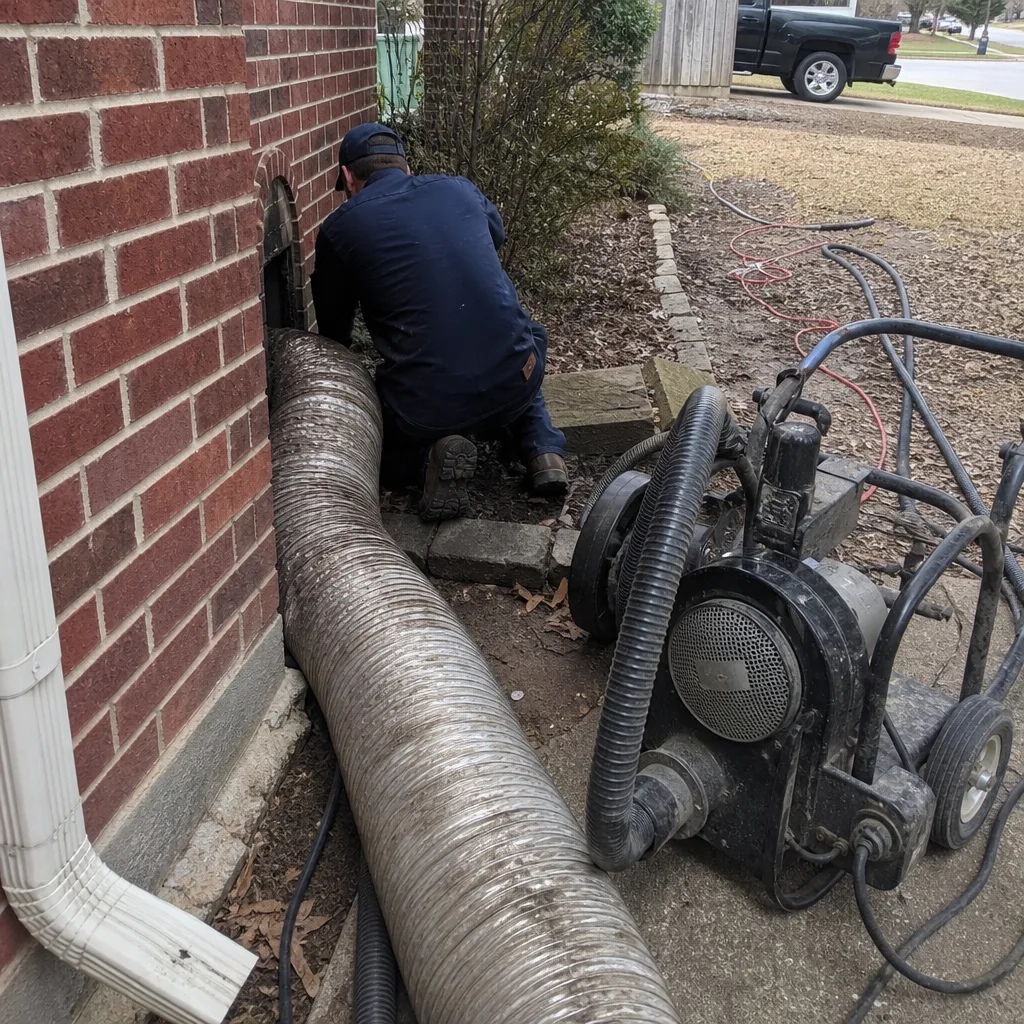 Before
 After
After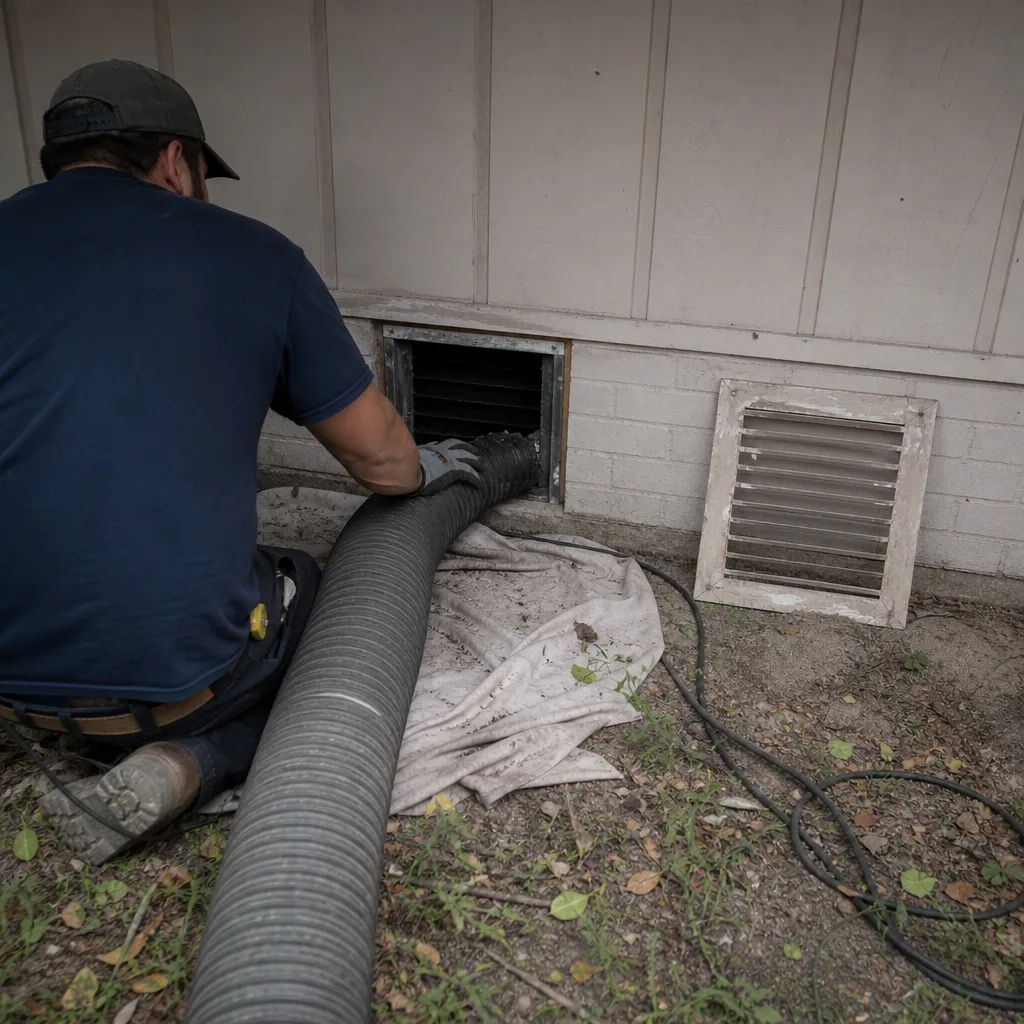 Before
 After
AfterFrequently Asked Questions
A full professional air duct cleaning in Dallas typically costs $300 to $600 for an average single-family home, depending on system size, access difficulty, and whether dryer vent cleaning or duct sealing is added. The price should be in writing before work starts. Call (361) 309-6223 for a free estimate with a written price.
Yes, improvised tools can tear flex duct, puncture trunk lines, and damage fiberglass-lined plenums, which releases particles into the air stream and creates leaks that reduce system efficiency. A torn duct in a Dallas attic is a bigger problem than the dust you were trying to remove.
Every 3 to 5 years is the standard range, and Dallas’s heavy pollen seasons push many homes toward the 3-year mark, as detailed in our Seasonal Air Duct Cleaning Care for Dallas: Year-Round Homeowner’s Guide. Homes with pets, smokers, recent renovations, or allergy-sensitive occupants should clean more frequently.
Because the equipment only reaches the first 18 inches of each register. The dust that matters lives deeper in the trunk lines, and consumer vacuums lack the negative airflow and hose reach to remove it. That’s the gap between surface cleaning and source removal.
Generally, no. Dallas attics exceed 130 degrees in July and August, and that heat produces serious dehydration and heat-stress risk within minutes of exertion. Professional crews schedule attic work in early morning and use controlled pacing for this exact reason.
Duct cleaning removes accumulated contamination from inside the system. Duct sealing closes leaks, gaps, and disconnections that allow attic air, insulation, and pollen into the system after cleaning. We recommend both for older Dallas homes so the cleaned system stays clean. Call (361) 309-6223 for a free estimate.
The Bottom Line
DIY duct maintenance has its place: filter changes, register cleaning, and visual inspections are legitimate homeowner tasks that keep your system in better condition between professional cleanings. But source removal – pulling years of accumulated dust, pollen, and biological material out of the full length of your duct system – requires equipment and airflow that no rental or brush kit provides. The honest math favors professional cleaning for most Dallas homes, especially those over a decade old with attic-centered ductwork and heavy seasonal pollen exposure. The price is written, the standard is documented, and the work is covered for a full year. That’s what gives a homeowner a real decision, not a guessing game.
Written by Roy Castellanos, Owner at Hollis Air Duct Dallas, serving Dallas since 2004.