
Last updated October 15, 2026
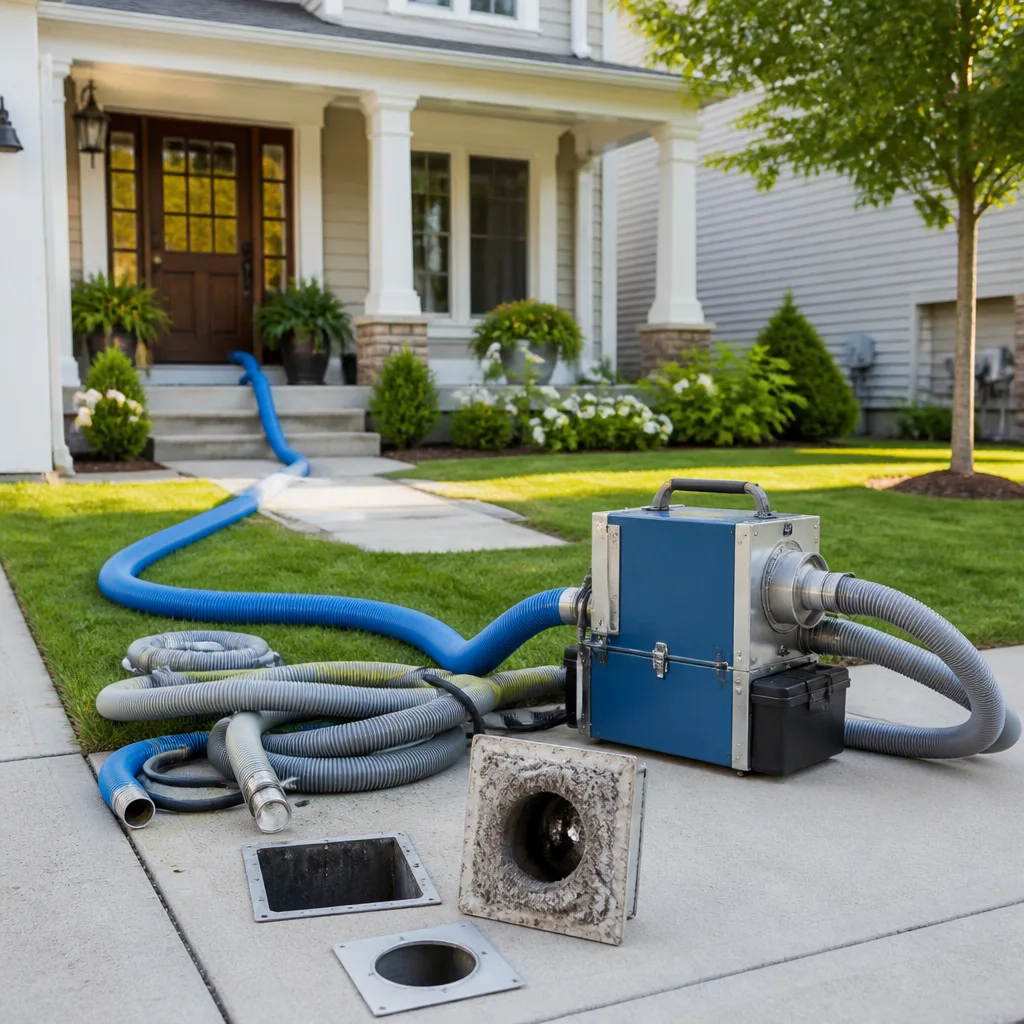 Whole-home duct cleaning
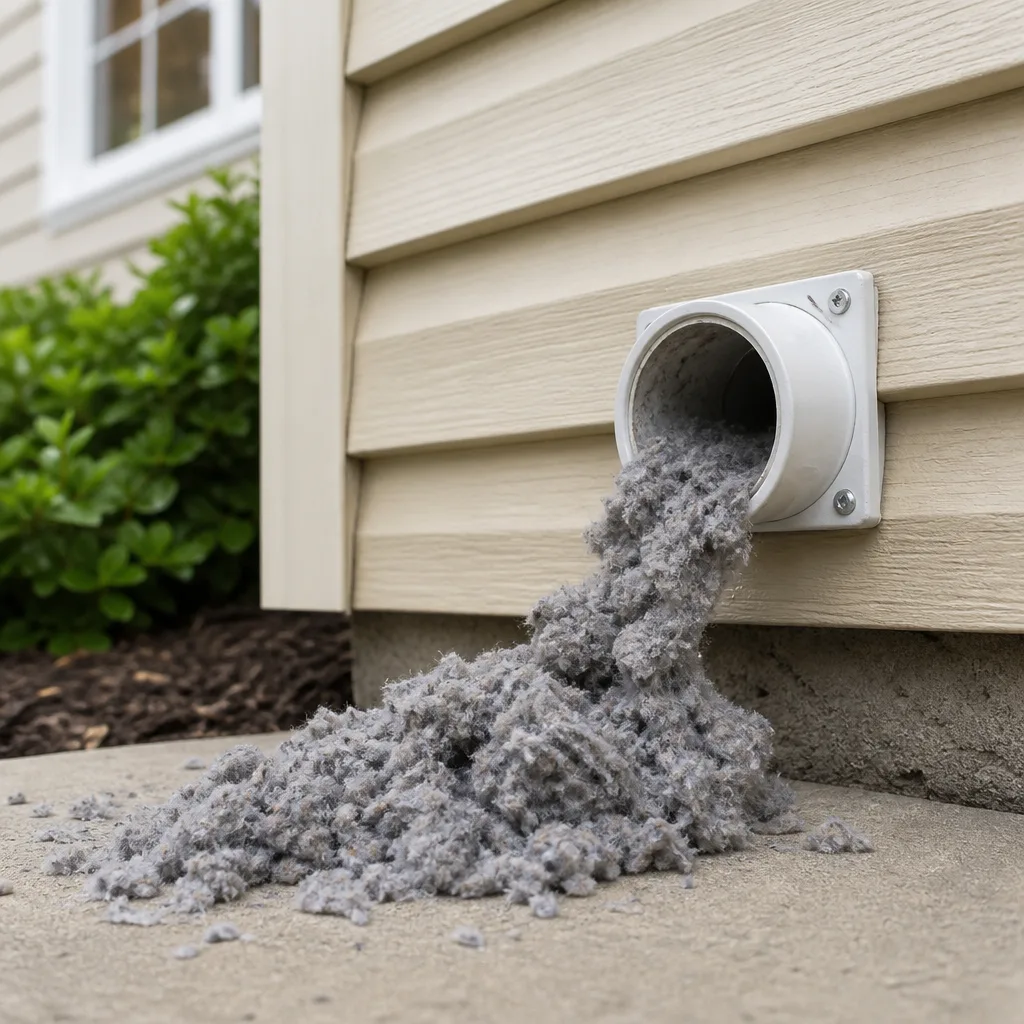 Dryer vent cleaning
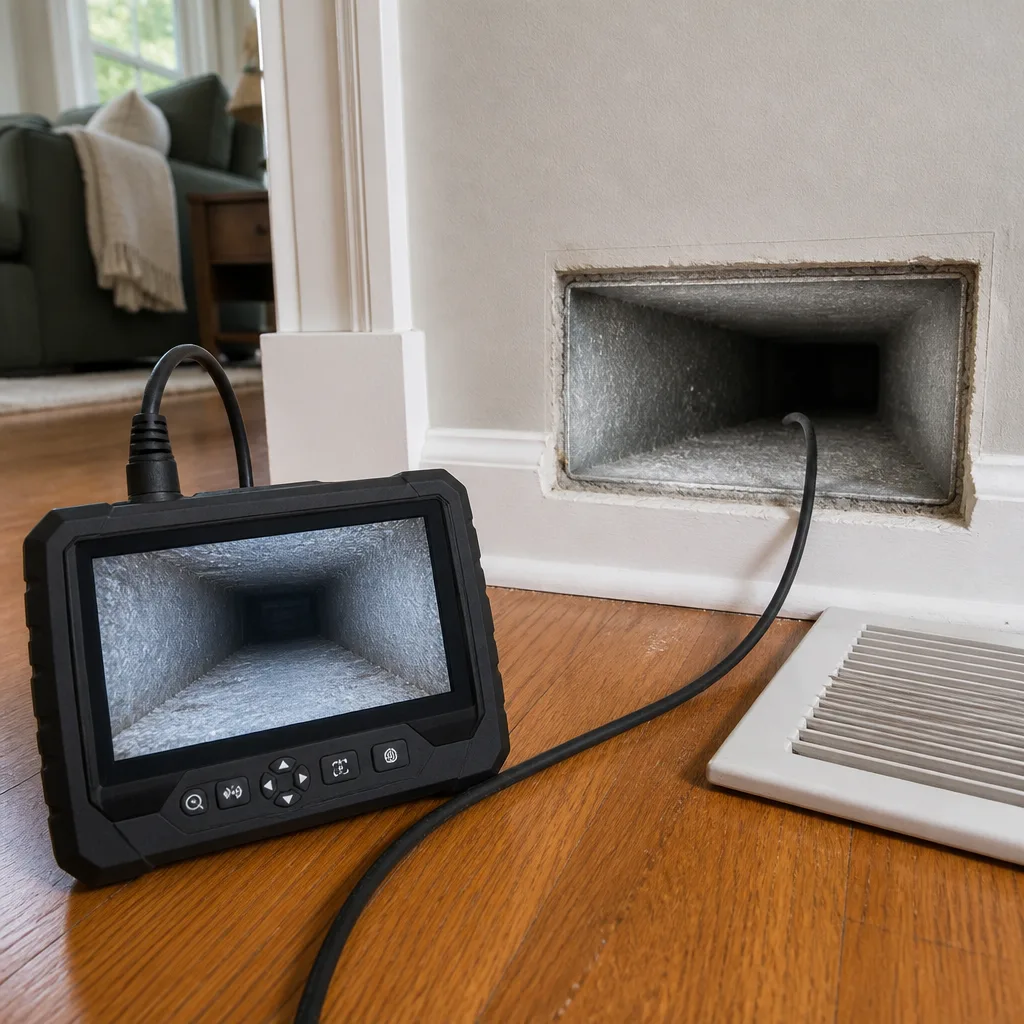 Camera inspection
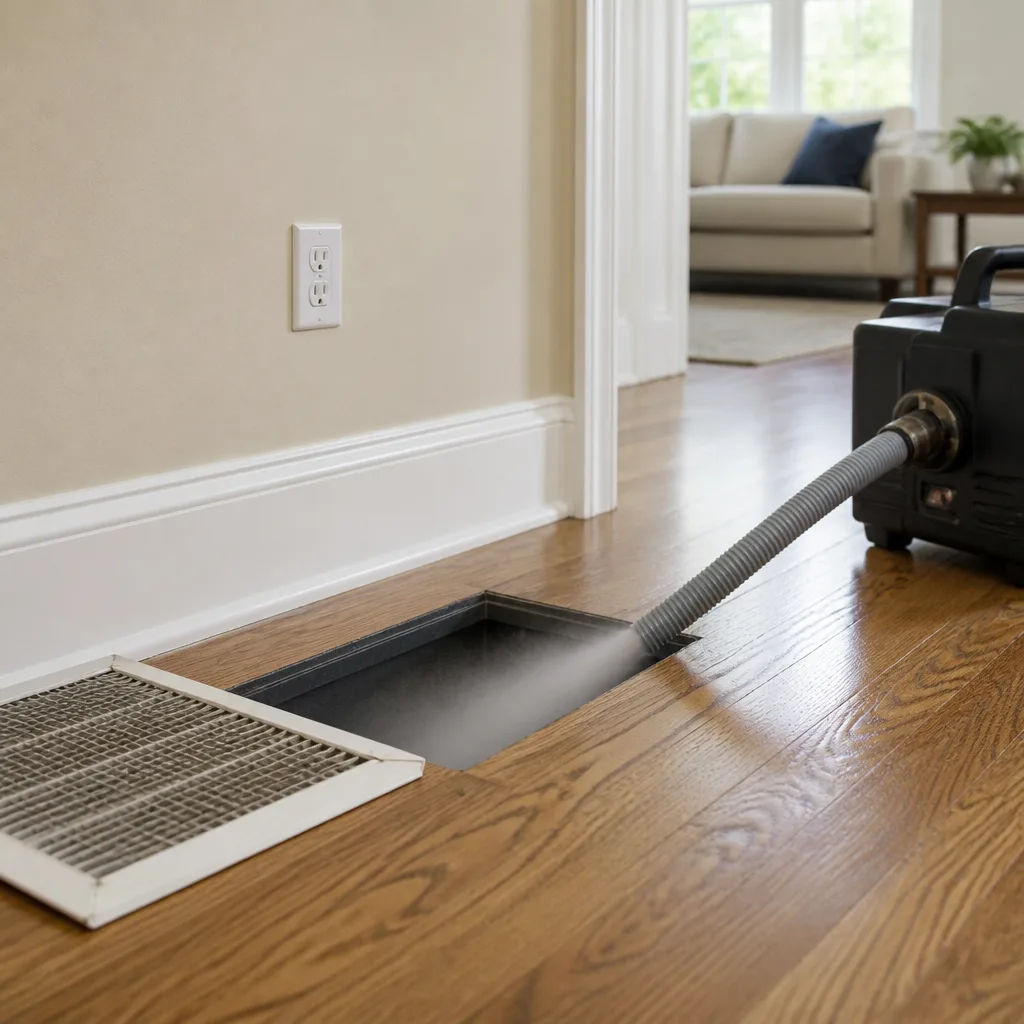 Sanitizing & deodorizing
Whole-system duct and dryer vent check with before-and-after photos - you see exactly what came out of your vents
That "$99 whole-house special" is a bait ad - the real number appears once they are in your hallway, or the "clean" is a shop-vac at the register. We photograph the inside of your ducts before and after instead.
The Complete Guide to Air Duct Cleaning in Dallas
The EPA does not recommend air duct cleaning on a routine schedule, and yet most Dallas HVAC companies will tell you every 3 to 5 years is mandatory. That gap between what the science says and what the sales pitch says tells you more about the air duct cleaning trade in Dallas than any brochure ever will. This guide walks you through what actually happens inside a professional Air Duct Cleaning services job, what Dallas conditions actually do to your ductwork, how to read a quote without getting taken, and what a guarantee needs to say before it’s worth the paper it’s written on. We’re writing this because nobody else in town will.
Quick Answer
Air duct cleaning in Dallas typically costs between $450 and $1,200 for a full system depending on home size, number of returns, and how badly the ductwork is contaminated. The process, when done to NADCA standards, uses negative-air machines and rotary brush agitation to remove debris from the entire duct system, not just the visible vents. A legitimate job includes before-and-after access-port photos, written verification of what was removed, and a guarantee in writing that states exactly what happens if something fails.
Styles & brands we work with
Table of Contents
- What Actually Happens During a Professional Duct Cleaning
- What Dallas Conditions Actually Do to Your Ducts
- Source Removal vs. Contact Vacuuming: The Standard That Matters
- How to Read a Duct Cleaning Quote Line by Line
- What a Legitimate Written Guarantee Actually Covers
- How Often Do Dallas Homes Really Need Duct Cleaning?
- Signs Your Ducts Are Due for a Cleaning
- What Air Duct Cleaning Costs in Dallas
What Actually Happens During a Professional Duct Cleaning
Most homeowners have never seen the inside of their own ductwork, so they have no mental model for what a cleaning job should involve. That’s the opening a lot of outfits use to sell a cheap job with a vacuum and a prayer. Here’s what a real job looks like when it’s done by the book, which in Dallas means following NADCA’s ACR standard for source removal.
Step 1: System Inspection and Pressure Check
Before anything gets cleaned, the technician should walk the system. That means opening the air handler cabinet, checking the blower motor for debris buildup, looking at the return air plenum, and checking supply registers in several rooms. A proper inspection also includes checking the static pressure of the system, because if your return side is undersized, that’s the actual reason your ducts pull dirt in the first place. In Dallas homes built before 1990, undersized returns are common. Cleaning ducts without addressing the pressure problem is like mopping a floor while the roof leaks.
Step 2: Cutting Access Ports
You cannot reach the inside of a duct through a 4-by-10 floor register. A legitimate crew cuts access ports into the main trunk line and sometimes into branch lines. These ports are sealed with removable caps when the job is done. If a company says they clean from the registers only, they are not doing source removal. You are paying for a partial job.
Step 3: Negative-Air Setup
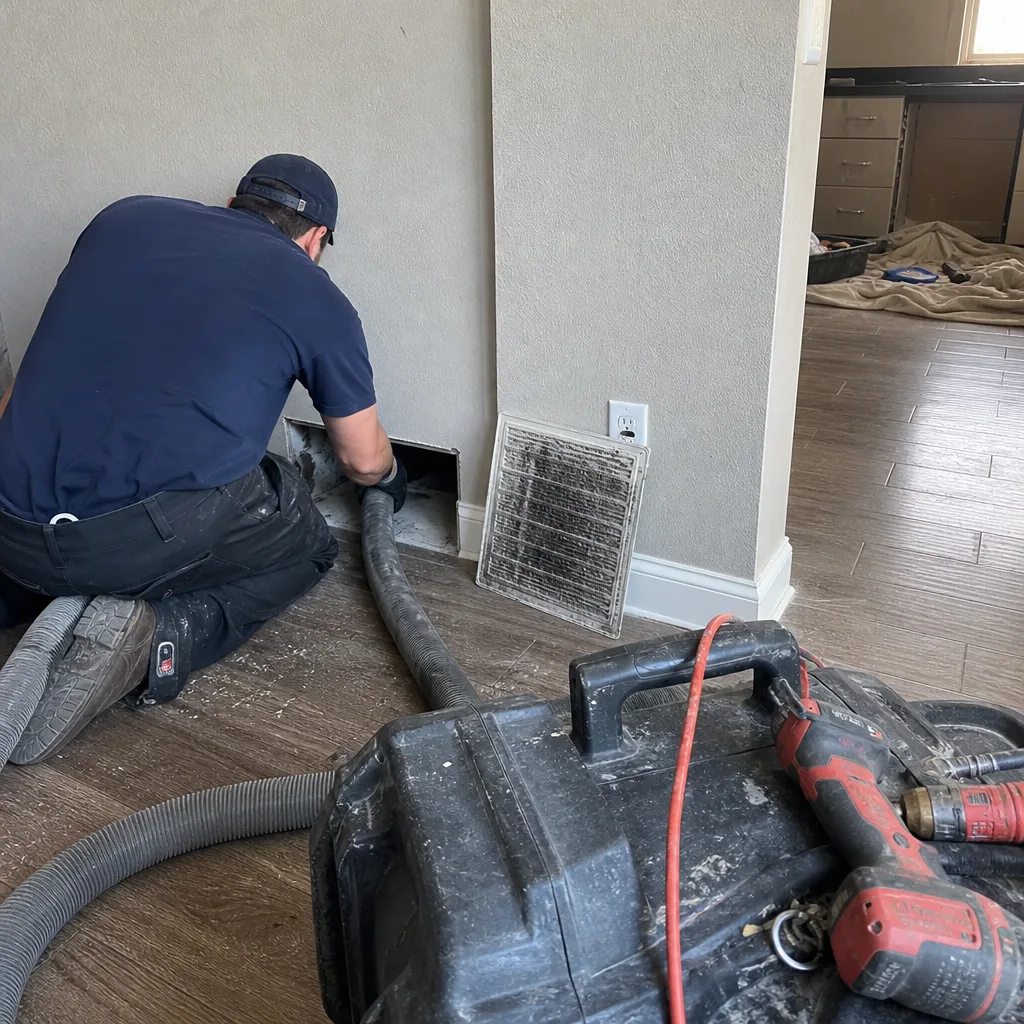
The heart of the job is a negative-air machine, which is nothing more than a very large HEPA-filtered vacuum connected to the ductwork. It pulls the system into negative pressure so that agitation knocks debris loose and the vacuum captures it. In Dallas, professional crews use equipment from Rotobrush, Nikro, or Abatement Technologies. These are not shop-vacs. They move hundreds of cubic feet of air per minute and they exhaust, ideally, to the outside or through HEPA filtration. This is the difference between cleaning air ducts and just stirring dust around.
Step 4: Mechanical Agitation
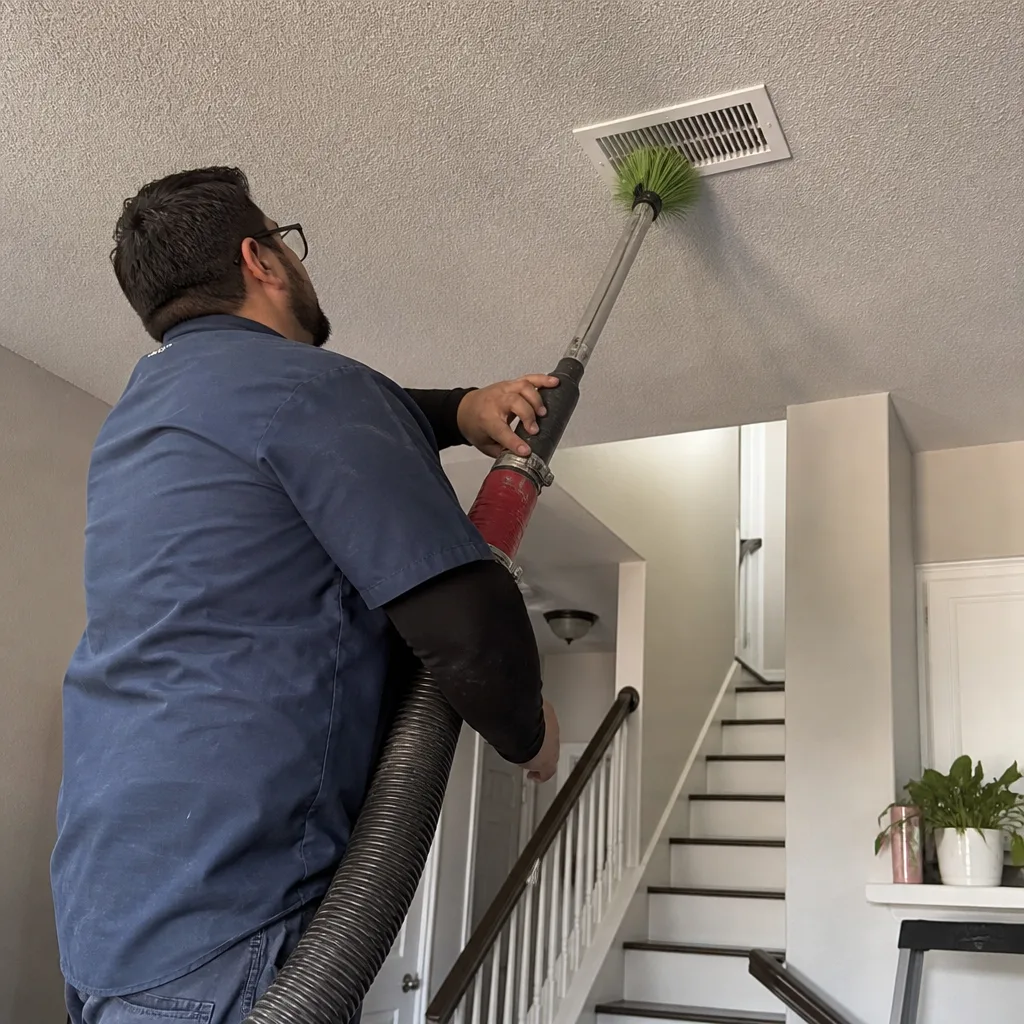
Negative pressure alone will not remove the film of dust and debris that clings to the inside of supply runs. Something has to physically break it loose. That’s what rotary brush systems do. A brush head, sized for the duct, spins inside the run while compressed air or a whip line dislodges anything the brush misses. You should see the crew moving the brush through each branch, not just running a vacuum at the main trunk and calling it done.
Step 5: Photo Verification
Here’s the part where you find out whether you hired a cleaning company or a story. A real job includes before-and-after photos taken through the access ports. You get to see the inside of the supply run before work starts and the inside of the same run after. If a company cannot produce these photos, you have no evidence anything was actually removed. Demand them. They take thirty seconds to capture and they are the difference between verifying work and hoping it happened.
Step 6: Component Cleaning
The air handler itself should get cleaned, not just the ducts. Blower fan blades, evaporator coil, drain pan, and the coil cabinet all hold debris that re-contaminates the system within weeks if left alone. In Dallas, where air conditioning runs from April through October, the evaporator coil works hard and gathers a wet, sticky film that captures everything the filter misses. A complete job cleans the coil and blower, not just the ducts.
Step 7: Final Walk-Through
At the end, the crew should walk the system with you, show the photos, explain what was found, and make sure every access port is sealed and every register is back in place. The job ends when you have seen the evidence. If the crew is gone before you’ve seen the inside of your own ducts, call someone else next time.
What Dallas Conditions Actually Do to Your Ducts
Dallas is hot, humid, and dusty in ways that have specific mechanical consequences for your ductwork. But the local pitch about Dallas soil and Dallas pollen is often used to sell more frequent cleanings than the system actually needs. Here’s what’s real and what’s overstated.
Clay soil is real, and it matters. Dallas sits on expansive clay that cracks during dry summers. Those cracks generate fine, silty dust that gets tracked into homes, pulled into returns, and lodged in carpet and ductwork. Homes in older Dallas neighborhoods like East Dallas, Oak Cliff, and parts of Garland sit on heavy clay and tend to see more fine dust penetration into the system. If your yard is dried clay in August and your home has unfiltered return air pathways, that dust ends up in the return plenum.
Summer humidity is the bigger problem. Dallas summers push dew points into the mid-70s. That means every time your air conditioning shuts off, moisture can condense inside the ductwork if the ducts run through an unconditioned attic, which most Dallas homes have. That moisture turns dust into a paste that sticks to duct surfaces and, in worst cases, supports mold growth on the inside of the insulation lining. This is why attic-installed flex duct in Dallas degrades faster than the same material would in a dry climate. When our technicians open a supply run in a North Dallas home and find the liner covered in a dry, gray film, that’s the result of ten years of dust plus a hundred summer nights of condensation.
Pollen is real but temporary. Dallas has a brutal pollen season, especially oak from February through April and ragweed in the fall. But pollen is a spring and fall problem, not a year-round duct contaminant. High-MERV filters at the return catch most of it. The pollen argument gets used to sell cleaning jobs, but the truth is your ductwork accumulates contamination slowly over years, not in one allergy season.
What’s overstated: “Dallas air is dirty so you need annual cleaning.” Annual duct cleaning is not required by any legitimate standard and is not medically indicated for most homes. We clean ducts in Dallas and we will tell you plainly: most systems in this market genuinely need cleaning every 5 to 8 years, not every year. The exceptions are homes with recent renovation, homes with pets that shed heavily, and homes where smokers lived for years.
Source Removal vs. Contact Vacuuming: The Standard That Matters
There are two ways to clean ductwork. One of them is real. The other is a parking-lot job with a vacuum hose and a mirror on a stick.
Contact vacuuming is the cheap method. A technician runs a vacuum hose over the inside of the visible duct near each register, sometimes after loosening debris with a brush. The problem is reach. A vacuum hose can only reach a few feet into most supply runs. The rest of the duct, which is where the majority of the debris sits, never gets touched. Contact vacuuming is a surface treatment, not a cleaning.
Source removal is the NADCA ACR standard and it means this: every portion of the duct system gets physically agitated and put under negative pressure so that debris is removed from the system, not just pushed around inside it. The equipment matters because source removal requires enough air volume to carry dislodged debris all the way back to the collection point. A 5-horsepower negative-air machine with a HEPA filtration stage does this. A portable vacuum cannot.
Here is what source removal looks like in practice on a Dallas split-system home:
- Access ports are cut into the supply trunk and return trunk.
- The negative-air machine is connected and sealed, typically at the air handler cabinet or a dedicated port.
- Each supply branch is sealed off one at a time except the run being cleaned, forcing maximum air velocity through that branch.
- Rotary brush agitation runs through the branch while negative pressure pulls the dislodged debris out.
- The process repeats for every branch, then the main trunk, then the return side.
- Component cleaning finishes the job: blower, coil, pan, and cabinet.
- Access ports are capped, registers reinstalled, and photos are provided.
The practical difference is what you can verify. A source removal job leaves before-and-after photos of the inside of each main run. A contact vacuum job leaves you with a story and a receipt. When you call air duct cleaning companies in Dallas, ask directly: “Do you cut access ports and run a negative-air machine, or do you clean from the registers?” If they clean from the registers only, you have your answer. Our How to Hire a Air Duct Cleaning Contractor in Dallas: A Step-by-Step Guide covers the full vetting process.
How to Read a Duct Cleaning Quote Line by Line
Duct cleaning quotes in Dallas range from $99 to $2,000 for the same house. That spread exists because the trade is full of bait-priced specials that grow once the van is in the driveway. Here’s how to read a quote so you know what you are actually buying.
The price that matters is the total for a stated scope, not the number on the coupon. A quote should state, in writing, what is included: how many supply runs, how many returns, whether the air handler and coil are cleaned, whether access ports are included, and what verification you get. If a quote does not break out these items, the technician can define the scope however they want once they are inside.
Here’s a line-by-line example of what a legitimate quote looks like:
- System inspection and static pressure check: included, no charge.
- Supply run cleaning, quantity 10: $45-$70 per run, depending on length and diameter.
- Return run cleaning, quantity 2: $60-$90 per run.
- Main trunk line cleaning, supply and return: $150-$250 total.
- Air handler cleaning (blower, coil, cabinet, drain pan): $150-$300.
- Access ports with removable caps, quantity 3-5: included in labor, $50-$100 if broken out.
- Before-and-after photo documentation: included, not optional.
- Total for a 1,500-2,500 sq ft home in Dallas: $450-$900.
Now here’s what to watch for:
- Per-vent pricing. The bait-and-switch classic. A “$39 whole house” special becomes $39 per vent once the crew counts eleven supply vents. The invoice lands at $700 and you’re told the coupon was for a “starter package.”
- Mold treatment upsells. A technician “finds” mold and offers to fog the system for an additional $400. Here’s the rule: legitimate mold remediation requires clearance testing and source removal, not a fogging wand. If mold is suspected, a swab test sent to a lab costs about $80 and tells you whether remediation is actually needed.
- Optional sanitizers with scare language. “Do you want us to sanitize the ducts? It’s recommended.” Recommended by whom? NADCA does not recommend routine chemical sanitizers. If a sanitizer is offered, ask for the EPA registration number and the specific reason it’s being proposed for your system.
- Sealant packages you didn’t ask for. Duct sealing is a legitimate service and we offer it, but it should be quoted based on measured duct leakage, not pitch “for good measure” on every cleaning. If a quote includes sealing with no leakage data, ask how they know it’s needed.
The discipline in reading a quote is simple: the total number in writing before work starts, with a stated scope, is the quote. Anything that changes at the door is a hustle.
What a Legitimate Written Guarantee Actually Covers
Most duct cleaning guarantees are decorative. They say “100% satisfaction guaranteed” and mean nothing because there’s no mechanism described for what happens if you are not satisfied. A real guarantee states, in plain language, what is covered, for how long, and what specifically happens if the work fails.
Here’s the language that makes a guarantee enforceable versus decorative:
Decorative: “Your satisfaction is our top priority. If you’re not happy, we’ll make it right.” This promises nothing measurable. It has no time period, no definition of failure, no remedy.
Enforceable: “If any duct run we cleaned is found to have accumulated debris to within 25% of pre-cleaning levels within 365 days, we will return and re-clean that run at no charge. This warranty is valid for one year from the date of service and is non-transferable.”
At Hollis Air Duct Dallas, the written guarantee on every job is our 365-Day Done Right Promise, and it operates the way a real guarantee should. For more guides & resources on maintaining your system, visit our blog. The price is written down before we start. If the work fails within a year, we come back at no charge, and the second visit is also free. That’s the whole point: a guarantee you can actually invoke is the only kind worth having. When you are comparing Dallas duct cleaning companies, ask each one a simple question: “Show me the warranty language in writing.” The ones who hesitate gave you your answer.
For duct sealing work, the same principle applies to the mastic. Duct sealing mastic hardens into a permanent flexible seal, and the correct application is a coating on the outside of the duct joint, not a shot of aerosolized goo sprayed blindly into the runs. A proper duct sealing in Dallas job includes a leakage test before and after, and the before-and-after numbers are part of the written record.
How Often Do Dallas Homes Really Need Duct Cleaning?
The honest answer is: it depends on what’s in the ducts, not on the calendar. Every 5 to 8 years is a reasonable baseline for a typical Dallas single-family home. But the following conditions shorten that window:
- Recent renovation or construction. Drywall dust, sawdust, and construction debris get pulled into returns and settle in the main trunk. If you have renovated in the last year and the crew did not seal off the returns, you probably need a cleaning now.
- Multiple pets that shed and live indoors. Pet hair and dander build up in return grilles and eventually inside the duct liner. Homes with two or more indoor dogs or cats typically need cleaning every 3 to 5 years.
- A smoker lived in the home for multiple years. Tobacco residue is sticky and accumulates in a film that normal dust attaches to. This is one of the few cases where the difference after a cleaning is visually obvious.
- Water intrusion, past or present. A roof leak over an attic duct chase, a flooded return, or condensation from an oversized unit can introduce moisture into the ductwork. If you have ever had water damage near your HVAC system, have the ducts inspected rather than waiting for a calendar reminder.
- You see visible debris at the registers. If you remove a supply register and see dust bunnies, hair, or what looks like a small animal nesting, the time to clean is now.
What does not require duct cleaning is a particular number of years on the calendar. If you change your filters every 30 to 60 days, have a tight duct system with properly sealed returns, and live in a newer Dallas home without pets or renovation, your ducts may go far longer before they actually need work.
Signs Your Ducts Are Due for a Cleaning
Some signs are visible. Some are behavioral. Here’s what to look for in a Dallas home:
- Dust accumulation on surfaces within a few days of cleaning. If you wipe down a coffee table and it’s coated again in four days, the system may be blowing accumulated debris from the supply side. This is especially common in Dallas homes where the return side pulls from a dusty attic or crawl space.
- Visible debris on the supply register grille or around the edges. Take a flashlight and look at the inside surface of the boot, the sheet-metal box behind the register. If it’s fuzzy with accumulated dust, the duct upstream is worse.
- A musty smell when the system first starts. That odor is often moisture mixed with accumulated dust in the evaporator coil or drain pan. It can also indicate a drain line that’s backing up, which is a separate problem worth addressing when the system is open.
- Uneven heating or cooling between rooms. If one bedroom is hot and another is cold, the cause is often a blocked or crushed supply run, not a dirty duct. But a duct inspection during a cleaning is the cheapest way to find out what’s actually going on in the runs.
- You have never had the ducts cleaned and you have lived there for more than ten years. That’s not an emergency, but it is a reason to have the system inspected.
None of these signs is a reason to panic, and none is a reason to hire a company that’s running a $49 special. They are reasons to get a real inspection from someone who will show you the inside of your ducts before asking for money.
What Air Duct Cleaning Costs in Dallas
We publish pricing ranges outright because the biggest problem in this trade is not the cost, it’s the uncertainty. A homeowner who knows the honest range can spot a bait price from across the room. Here is what air duct cleaning in Dallas actually costs for a typical single-family home:
- 1,000-1,500 sq ft home, 8-10 supply runs, 1 return: $450-$650.
- 1,500-2,500 sq ft home, 10-14 supply runs, 2 returns: $550-$850.
- 2,500-3,500 sq ft home, 14-20 supply runs, 2-3 returns: $700-$1,100.
- Larger homes or systems with long branch runs, multiple air handlers, or a basement return in an older Dallas home: $900-$1,500.
- Air handler cleaning as a standalone service (blower, coil, pan): $180-$350.
These ranges assume a NADCA-standard source removal job with negative-air equipment, access ports, rotary brush agitation, and photo documentation. If a quote in Dallas comes in under $300 for a whole-house cleaning, either the scope is incomplete, the crew is vacuuming from the registers, or the price will change once the van arrives.
The lower-priced ranges apply to homes where the ductwork is in reasonable condition and the system has been maintained. The higher ranges reflect systems that are heavily fouled, have long branch runs, or include component cleaning that takes extra labor. A real quote should be given after an inspection, not over the phone. But the phone call should give you a firm range, not a mystery number.
Common Mistakes to Avoid
- Hiring on coupon price alone. A $99 whole-house duct cleaning in Dallas is a trip fee once the technician counts the vents. You will pay more than if you had hired a real company with a written price from the start.
- Accepting cleaning without access ports. If the crew never goes into the main trunk line, the majority of the debris stays where it was. You are paying for a register vacuuming, not a duct cleaning.
- Paying for sanitizer or deodorizer without a documented reason. Chemical fogging is not a NADCA-standard step for routine cleaning. If a sanitizer is offered, ask to see the specific product and the reason it was recommended for your system.
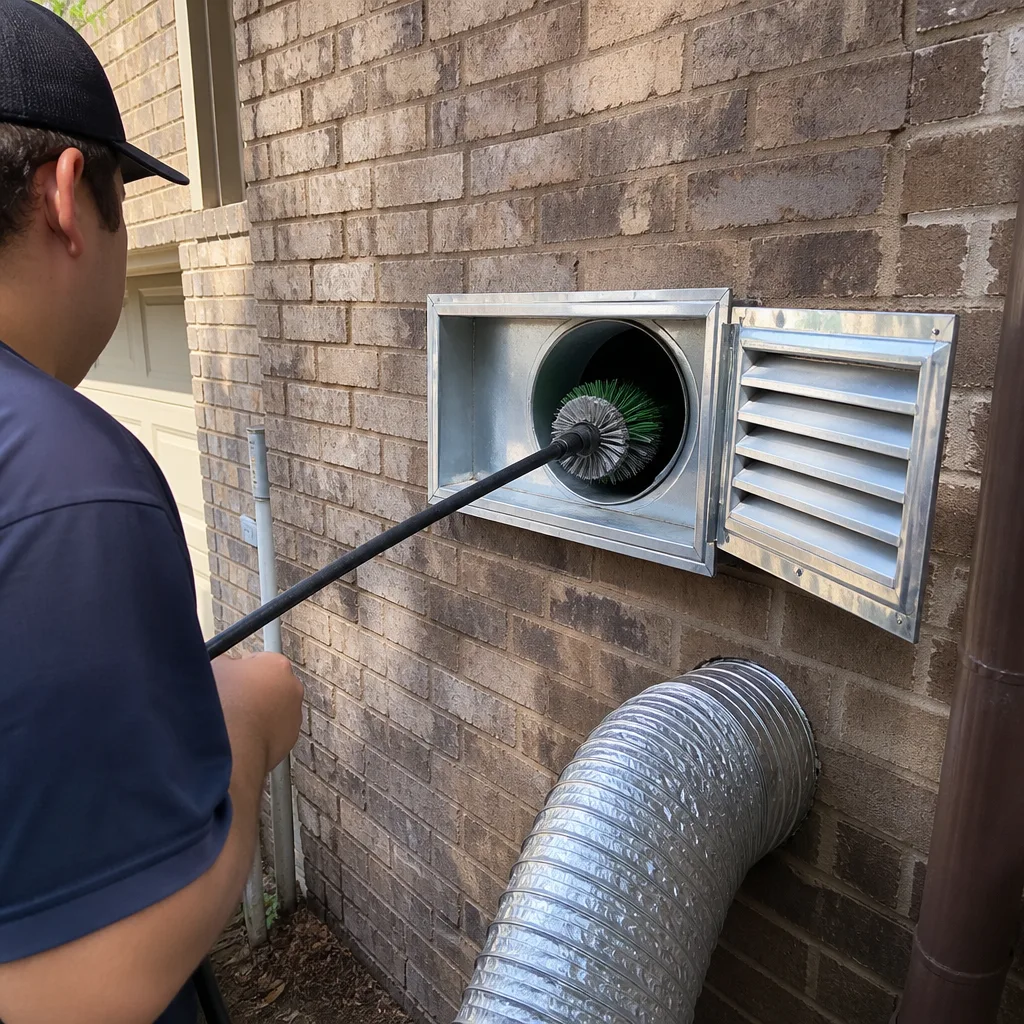
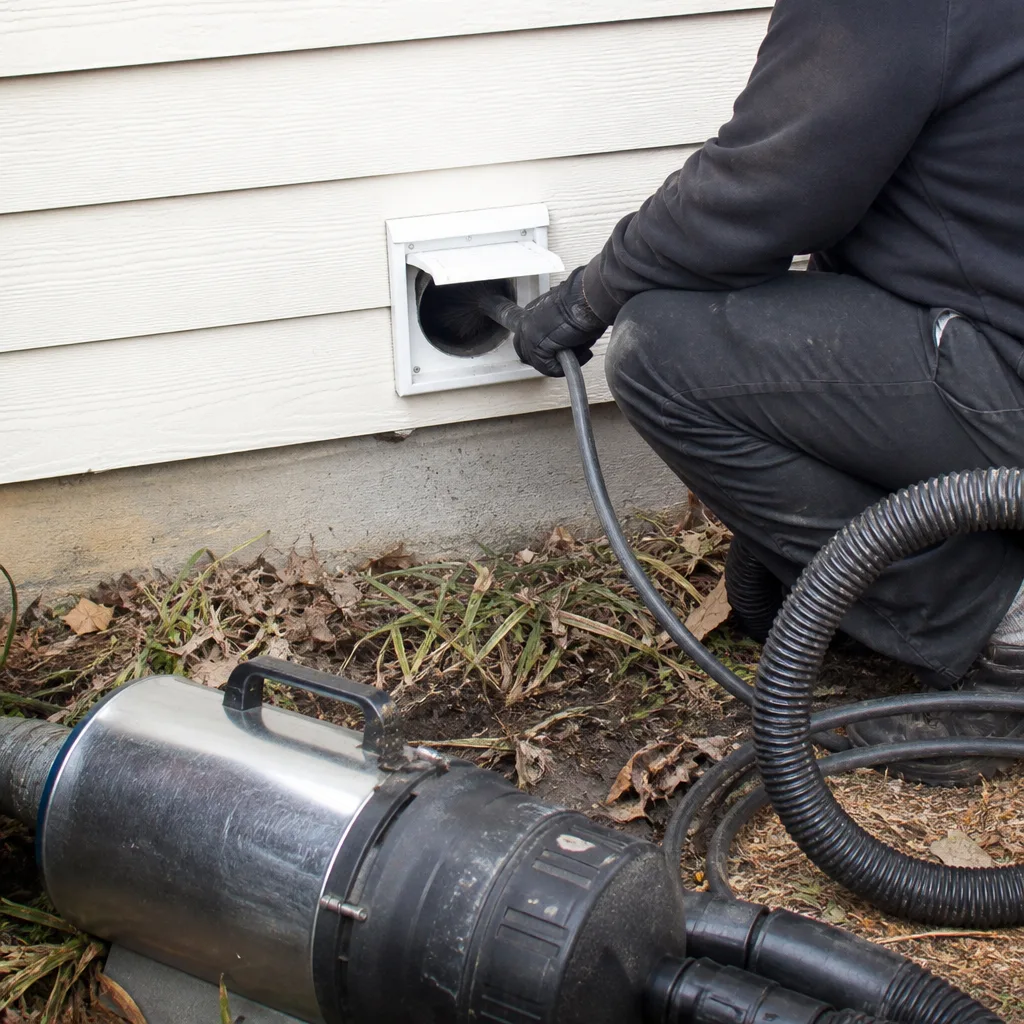
- Overlooking the dryer vent. While your air ducts are being cleaned is the cheapest time to have your dryer vent in Dallas cleaned. Lint-clogged dryer vents are a fire hazard and the two systems often share the same attic space.
- Not asking for before-and-after photos. If a company cannot show you the inside of your own ducts, you have no way to verify the work. Photos are not an upsell, they are the verification standard.
- Treating duct cleaning as a substitute for filter discipline. No duct cleaning fixes a system that runs with a dirty filter month after month. The filter is the first line of defense; cleaning is the correction for what got past it.
- Assuming every house needs duct cleaning on a schedule. Some Dallas homes with tight systems, good filters, and no pets do not need cleaning on a 3-year clock. Get an inspection and let the evidence decide.
See the difference
 Before
 After
After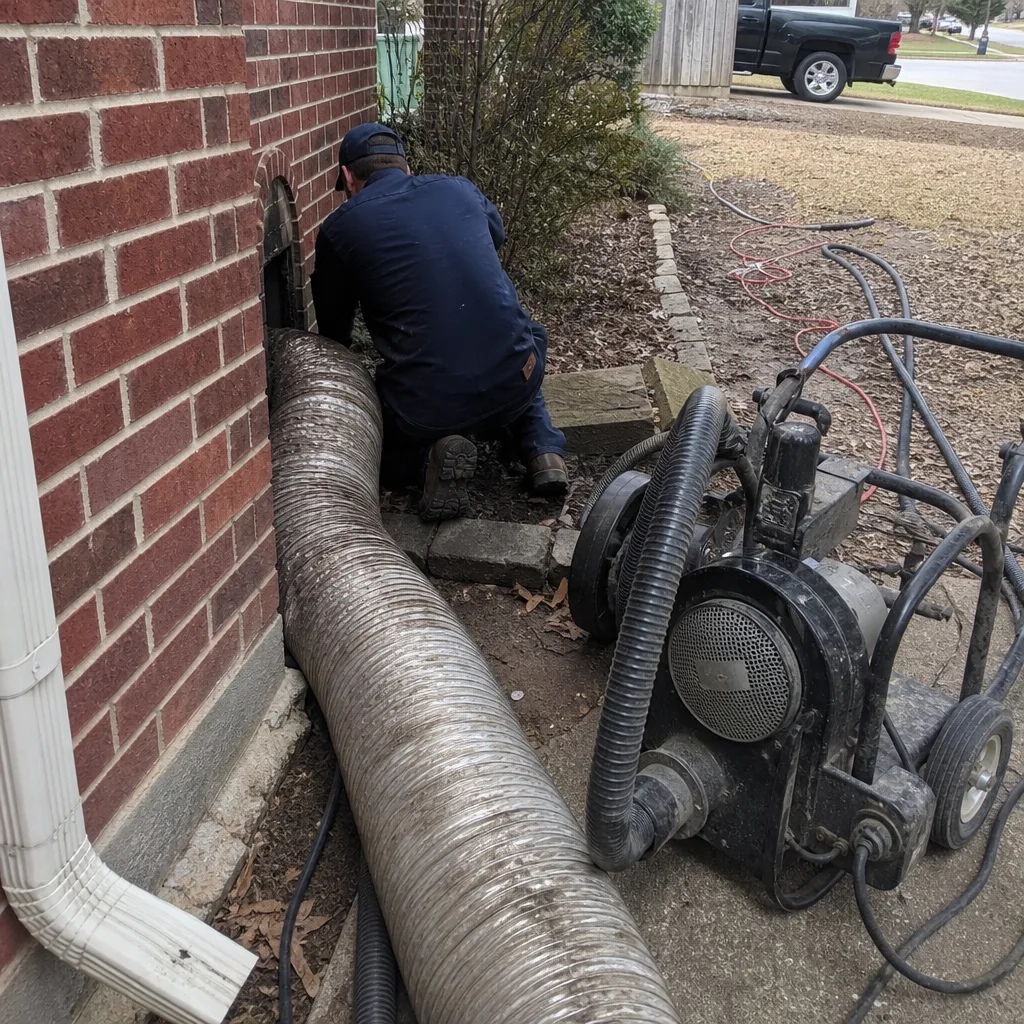 Before
 After
After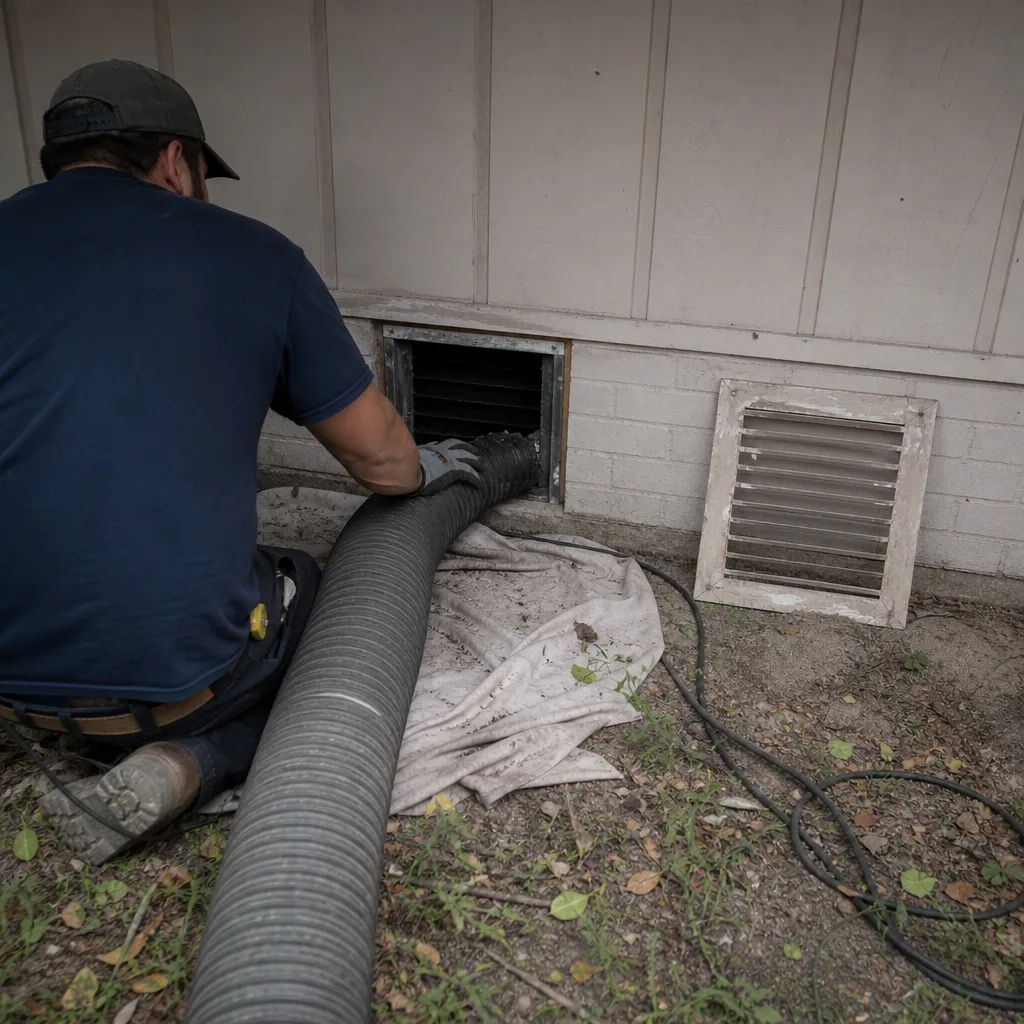 Before
 After
AfterWhen to Call a Professional
Call when you can see the problem, smell the problem, or measure the problem. Visible debris at the registers, dust that returns within days of cleaning surfaces, a musty odor at startup, or a renovation that left drywall dust in the returns, those are all reasons to have a professional inspect the ductwork. Same for water intrusion in the attic or around the air handler, which in Dallas happens more often than homeowners realize when summer storms meet aging roofing. If you are unsure whether your ducts need work, an inspection gives you photos and facts instead of guesswork. Hollis Air Duct Dallas offers free estimates in Dallas, call (361) 309-6223 and we will inspect the system, give you a written price, and show you what’s actually inside your ducts before any work starts.
Frequently Asked Questions
Air duct cleaning in Dallas typically costs between $450 and $1,200 for a complete NADCA-standard source removal job on a single-family home, depending on the number of supply runs, the home’s size, and the condition of the system. Homes under 1,500 square feet with a simple system generally fall in the $450 to $650 range, while larger homes with long branch runs can exceed $1,000. Get a written quote based on a physical inspection before you commit, and call (361) 309-6223 for a free estimate.
Cheap quotes are cheap because the scope is smaller than you think. A $99 or $149 special usually means the crew vacuums from each register without cutting access ports or running a negative-air machine, so the majority of the duct system never gets touched. In other cases, the low price is a loss leader and the technician will upsell sanitizer, mold treatment, or sealant once inside. A real source removal job involves equipment, labor, and time that cannot honestly be priced under about $400.
You ask for before-and-after photos taken through the access ports. Any legitimate Dallas duct cleaning company that cuts access ports can photograph the inside of the main runs before and after agitation. If a company will not or cannot show you these photos, you have no evidence the cleaning happened and no reason to pay. Verify the work by looking at your own ductwork, not by taking someone’s word.
Air duct cleaning removes accumulated debris from the system, which can reduce the volume of particulate matter being blown into living spaces, especially in Dallas homes with dust-heavy clay soil or multiple pets. It is not a medical treatment and it will not cure allergies, but a real source removal job meaningfully reduces the dust load recirculating through the home. The benefit you will notice first is less dust on surfaces and a cleaner-smelling system at startup.
The difference is the scope, the equipment, and the guarantee. We cut access ports, run negative-air machines from Rotobrush and Nikro, photograph the inside of the ductwork, and include the air handler in the cleaning. The price is written before we start, and the 365-Day Done Right Promise means that if the work fails within a year, we come back at no charge, including a free second visit. You can read our Hollis Air Duct Dallas home page for the full standard we work to.
If your system has measurable leakage, yes, and there is no cheaper time to do it than when the system is already open. Duct sealing with mastic closes the joints where conditioned air escapes into attics and crawl spaces, which is a common problem in older Dallas homes with flex duct that has pulled loose. A proper sealing job includes a before-and-after leakage measurement. Ask about duct sealing in Dallas when you schedule your cleaning and the inspection will tell you whether it’s warranted.
The Bottom Line
Air duct cleaning in Dallas is not a mystery and it should not be purchased on faith. A real job is a defined process: inspect, cut access ports, run negative-air equipment, agitate with a rotary brush, clean the components, photograph the evidence, and hand you a written guarantee that means something. The honest cost for a typical Dallas home runs $450 to $1,200, and any quote far below that is padding a different invoice somewhere. You do not need duct cleaning every year, but you do need it done right when it’s done. Ask for the photos, read the guarantee language, and get the price in writing before the van shows up.
Written by Roy Castellanos, Owner at Hollis Air Duct Dallas, serving Dallas since 2004.